
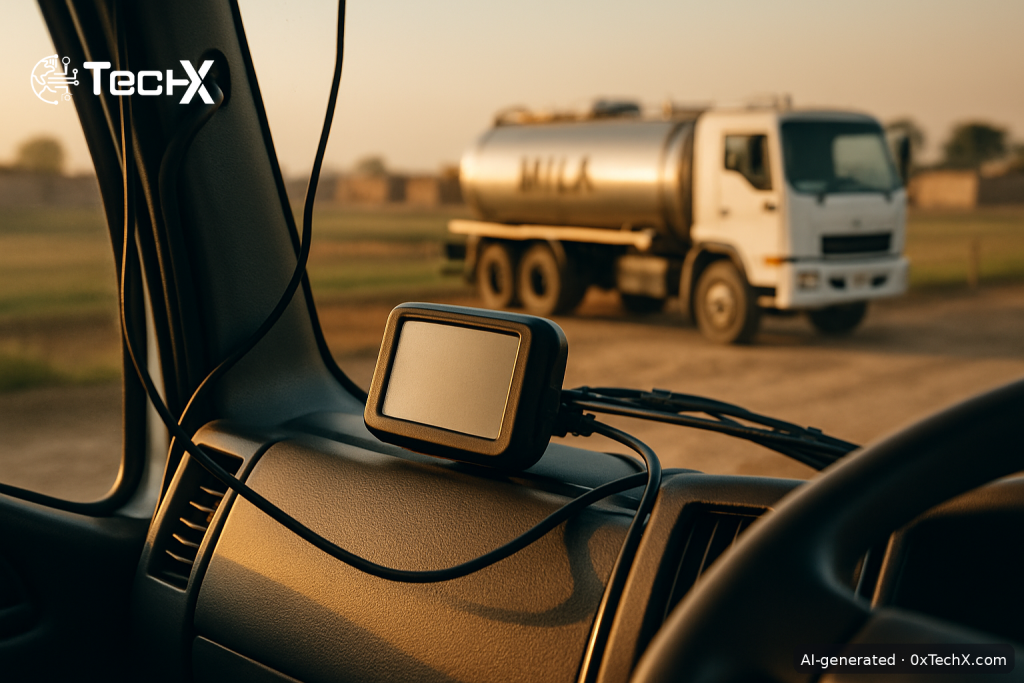
Punjab’s milk supply tracking push is one of the most concrete govtech moves the province has made in the food sector. By fitting dairy vehicles with IoT sensors and GPS devices, the government wants to watch every litre of milk from the farm gate to the final consumer, in real time, and stop the adulteration and tax evasion that have plagued the sector for decades.
Why Pakistan’s Milk Chain Has a Serious Problem
Pakistan is one of the world’s top milk producers, yet a large share of raw milk sold in cities is adulterated. Research published by Pakistani universities has found that contaminated milk causes serious health problems, including gastric issues, diarrhea, and urinary infections, especially in children. The core problem is invisibility. Once a vehicle leaves the farm, nobody really knows where it goes, how long it takes, or whether the milk has been watered down or mixed with harmful substances along the way.
Punjab produces the bulk of Pakistan’s dairy output. The Punjab Information Technology Board (PITB) has already built digital systems for livestock management, tax collection, and even petroleum supply chain tracking. Applying the same approach to milk vehicles is a logical next step.
What the Milk Supply Tracking System Will Actually Do
The plan is to equip milk supply vehicles with GPS trackers and IoT sensors that send live data to a central dashboard. Here is what that means in practice:
- Live location data: Regulators can see exactly where each vehicle is at any moment and whether it is sticking to its approved route.
- Temperature monitoring: IoT sensors track temperature inside the tanker during transit. If the milk warms above the safe range, an alert fires before the load reaches the dairy.
- Tamper detection: Sensors can log if a vehicle stops at an unauthorised point, a common step in adulteration.
- Data trail for tax compliance: Every delivery is recorded, making it much harder to under-report volumes and dodge sales tax.
This last point matters a lot right now. In May 2026, the Federal Board of Revenue (FBR) issued a directive under Sales Tax General Order 6/2026 ordering all registered milk producers and packagers to install electronic production monitoring systems by June 30, 2026. The FBR order targets factory-level monitoring, while the Punjab vehicle tracking initiative covers the road between farm and factory. Together, they close the gap that dishonest players have exploited for years.
GPS and IoT in Milk Vehicles: How the Technology Works
A typical setup is simple. A small GPS device is wired into the vehicle and sends location and speed data over a mobile network (using a SIM from Jazz, Zong, Telenor, or Ufone) every few seconds. IoT sensors are attached inside the tanker to log temperature and humidity. All of this data streams to a web dashboard that inspectors and managers can open on any device.
Modern systems also add route optimisation tools that analyse traffic, pickup schedules, and fuel use to cut delivery times and costs. If a driver goes off-route or the tanker temperature climbs too high, the system sends an automatic alert. The milk supply tracking data is stored in the cloud, creating an audit trail that can be checked by food safety inspectors or tax officers at any time.
Pakistan already has a private-sector GPS tracking industry in cities like Lahore, Karachi, and Faisalabad, so the hardware and connectivity base exist. The challenge for the government is mandating and standardising this across thousands of small dairy transporters, most of whom use ageing vehicles and have little tech experience.
PITB’s Growing Role in Punjab’s Digital Governance
PITB has become the engine behind Punjab’s digital governance moves. It built the e-Pay Punjab tax platform, the Livestock Card app with its Animal Identity Traceability System (AITS) for tagging and monitoring individual animals, and a digital tracking system for petroleum supply chain vehicles in partnership with OGRA. Extending this capability to milk supply vehicles fits squarely inside that pattern.
Punjab Chief Minister Maryam Nawaz has pushed a string of agri-tech initiatives since taking office. The Livestock Card programme already gives farmers interest-free loans and connects them to digital veterinary services. Adding milk supply tracking on transport vehicles creates the missing link between the farm-level data PITB already collects and the factory-level data the FBR now demands.
This is also part of a wider Pakistan digital governance push that aims to bring more public services and regulatory functions online. Connecting dairy logistics to a live government dashboard is exactly the kind of low-cost, high-impact move that digital governance experts point to as a proof of concept.
What This Means for Ordinary Pakistani Consumers
For most people buying loose milk from a nearby vendor, adulteration is a daily worry. A working milk supply tracking system will not fix every problem overnight, but it will make it much harder for transporters to stop at unauthorised points, mix in water or chemicals, and deliver short volumes. Over time, if the data is used well, consumers should see fewer quality complaints and food safety inspectors should catch violations faster.
For small dairy farmers, the system could also be positive. A digital record of every pickup means farmers are less likely to be cheated on volumes. It also makes it easier to prove the quality and origin of their milk to big processors and exporters, which matters as Pakistan tries to grow dairy exports.
The Challenges Ahead
Rolling out milk supply tracking across Punjab will not be simple. Key hurdles include:
- Cost for small transporters: Many dairy vehicle owners run one or two trucks. Buying and maintaining GPS and IoT hardware is a new expense they may resist without subsidies or a clear enforcement deadline.
- Connectivity gaps: Rural areas between farms and collection points sometimes have weak mobile signals, which can interrupt live data transmission.
- Data governance: Collecting real-time location and business data from thousands of vehicles raises questions about who stores it, who can access it, and how it is protected.
- Enforcement will decide everything: Pakistan has a record of launching digital systems that are not enforced consistently. Regular audits and real penalties for non-compliance will determine whether this initiative changes behaviour or stays on paper.
Frequently Asked Questions
What is the Punjab milk supply tracking system?
It is a plan to fit dairy transport vehicles in Punjab with GPS trackers and IoT sensors so that regulators can monitor live location, route, temperature, and delivery data for every milk vehicle on the road.
How does IoT help with milk adulteration in Pakistan?
IoT sensors detect if a vehicle stops at an unauthorised location (where adulteration often happens) or if the tanker temperature rises above the safe level. This gives food safety inspectors early warnings and creates a digital record that is hard to falsify.
What did the FBR order about milk monitoring in 2026?
In May 2026, the FBR issued Sales Tax General Order 6/2026 requiring all registered milk producers and packagers to install electronic production monitoring systems by June 30, 2026, to prevent sales tax leakage at the factory level.
Which government body is likely to build the system in Punjab?
PITB is the most likely builder, as it has already developed similar digital tracking systems for petroleum supply chain vehicles and runs the Livestock Card app with animal identity traceability features for Punjab farmers.