
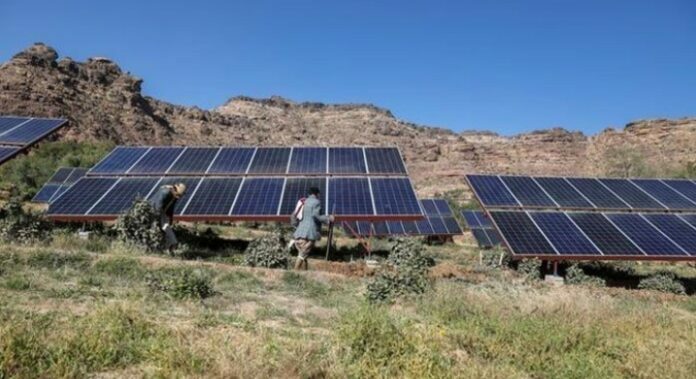
According to the Power Division’s decision, the 300MW imported coal-based power plant in Gwader is likely to be replaced with a solar power facility.
The project was added to the CPEC and received approval back in 2016, but the formal building has not yet begun. Now, the Pakistani government wants to give China the initiative to build a solar power plant with a similar capacity. The government made the decision not to build any new power plants that use imported fuel.
According to authorities, they have decided to end the project, but they must address the matter at numerous CPEC. The Power Division chose to replace the imported coal-based project in Gwadar with a solar facility because CPEC is more crucial and sensitive.
The government opted against building new power plants based on imported petroleum since it would increase the capacity of energy generation based on domestic fuels like Thar coal, wind, solar, and hydel. Instead, the government wanted to continue installing additional nuclear power plants. According to Khurram Dastgir Khan, Federal Minister for Power Division, solar power plants are likely to be replaced by the government.
The government has planned to convert the 3,960MW worth of current imported coal-based power plants—including the 1,320MW-capable Port Qasim plant, Sahiwal power plant, and China Hub project—to local coal.
In the first 11 months of the previous fiscal 2021–22, the cost of imported petroleum was over $20 billion. The choice has been taken to lower the cost of fuel imports and lessen the reliance on imported fuel for the production of electricity.
Three projects need to be converted to use local coal, which will involve time and money since the facilities’ boilers will need to be modified specifically to work with Thar coal.
The Joint Cooperation Committee (JCC) for the CPEC had its sixth meeting in Beijing in December 2016, at which time it was resolved that a 300MW imported coal-fired power facility at Gwadar must be constructed quickly.
To read our blog on “China did not fund Pakistan’s four CPEC projects in H1 FY22,” click here.