
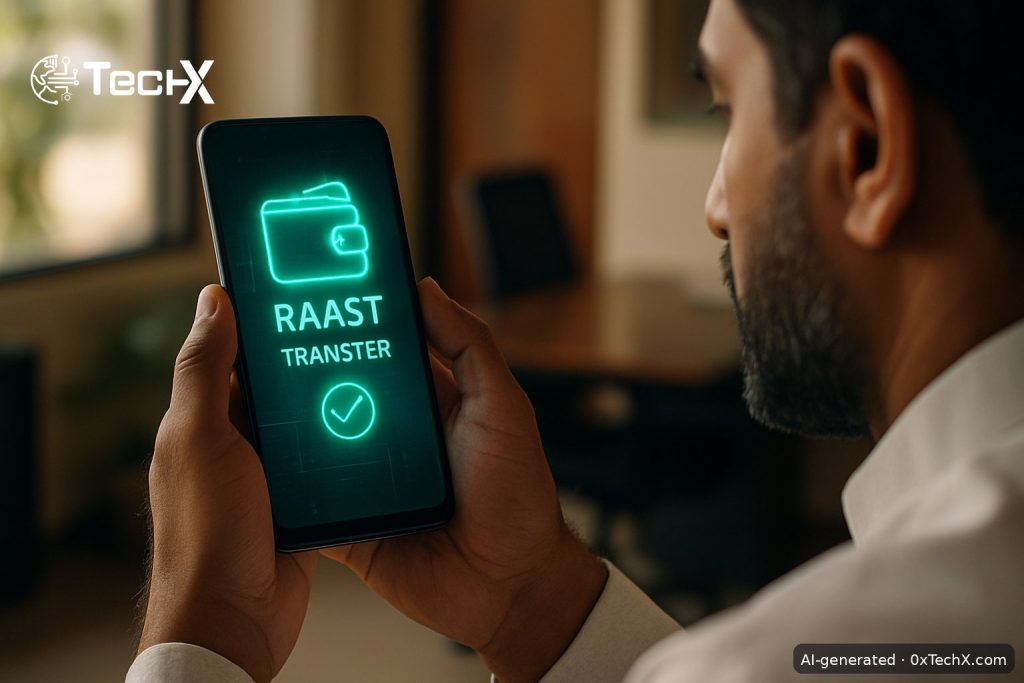
Zong Z Wallet is now live inside the My Zong App, and it marks a fresh chapter for Pakistan’s second-largest telecom in digital payments. Zong has partnered with Zindigi, powered by JS Bank, to launch Z-Wallet, bringing regulated digital financial services directly into the My Zong App through an embedded-finance model powered by Zindigi’s Banking-as-a-Service infrastructure. The move ends nearly three years of absence from fintech for Zong, and this time, the approach is very different from before.
Zong Z Wallet at a Glance
The basic idea is simple: you already have the My Zong App on your phone to manage your SIM, check data, and pay bills. Now, that same app holds a fully regulated digital wallet. Customers can now access essential banking services within an app they already use, without the need to download or switch to a separate banking application.
With more than 22 million monthly active users, the app provides the partnership with a sizeable existing customer base for the rollout of digital financial services. That scale is a big advantage from day one, most wallet providers spend years chasing user numbers that Zong already has.
So what can you actually do with the wallet right now? Z Wallet is available for eligible users to store and add money, transfer funds to bank accounts or other wallets, pay utility bills, recharge Zong numbers, and buy mobile bundles. Customers can use Z Wallet for interbank transfers through RAAST, allowing funds to be sent to bank accounts across Pakistan.
Looking ahead, Z-Wallet is expected to expand with additional offerings such as nano lending, a Z-Debit Card and specialized Zong bundles, creating a wider financial-services ecosystem within the telecom platform.
How Zong Z Wallet Differs From PayMax
To understand why this launch matters, you need to know what happened before. Zong has tried fintech twice already, and both times it did not last.
The first attempt was Timepey, launched with Askari Bank back in 2012. The mobile-based banking service ceased to exist since 2016. The second attempt was more ambitious. PayMax was launched by CMPak’s subsidiary ECCL, after it won an EMI licence from the State Bank of Pakistan in 2022. PayMax was one of only four companies granted EMI licences, yet the ‘only commercially live EMI exited the market’ less than a year after launching. In October 2023, Zong surrendered its Electronic Money Institution license and ceased TimePay (later changed to PayMax) operations.
Why did PayMax fail? No official explanation was given, but the SBP’s lowering of margins on debit card transactions, high regulatory overheads, skyrocketing inflation, and persistent depreciation of the Pakistani rupee compounded these difficulties.
Z Wallet learns from those mistakes. Z Wallet, unlike PayMax, works on JS Bank’s branchless banking framework, where Zong facilitates the customer experience rather than providing the underlying banking services itself. In plain words: Zong builds and runs the app interface, while JS Bank (through Zindigi) holds the money, meets the SBP rules, and carries all the regulatory weight.
JS Bank has the banking and regulatory responsibilities through Zindigi with Z Wallet, which could give Zong a less capital-intensive route back into fintech. Z Wallet is offered by CMPak with leading fintech Zindigi, a service of JS Bank Limited, with all banking services provided by JS Bank through Zindigi, Zong carries no payments licence, no capital requirements, and no direct regulatory exposure.
This is a light-asset, low-risk model. Zong gets fintech features without the heavy cost of running a licensed financial institution. Zindigi gets millions of new potential wallet users overnight.
The Road to This Launch
This did not happen overnight. This collaboration dates back to March 2024, when Zong 4G and the fintech company executed a Banking-as-a-Service MoU. It was later broadened in August 2025 to handle government-to-person payments, creating M-Wallets specifically for welfare recipients. That welfare-payment expansion, which most coverage has overlooked, shows the partnership had already been tested in a real-world, large-scale setting before the public Z Wallet launch.
The launch event was attended by Federal Minister for Information and Broadcasting Attaullah Tarar, Minister of State for Finance and Railways Bilal Azhar Kayani, and other government officials and dignitaries, signalling strong government support for embedding finance inside telecom platforms.
Why This Matters for Pakistan’s Digital Payments Market
Zong is Pakistan’s second-largest mobile service provider with a subscriber base of 54 million, among which 44 million are 4G/LTE subscribers. Putting a wallet in front of even a fraction of that base is a big deal for financial inclusion.
Pakistan’s digital wallet space is already competitive. Jazz runs Mobilink Microfinance Bank, and Easypaisa has an established lead. Zong is entering a highly competitive Pakistani digital payments market where established offerings already offer many of the same everyday payment functionalities.
But the embedded model is Zong’s edge. Most wallet apps compete for the same screen real estate on a user’s phone. Z Wallet lives inside an app that Zong subscribers already open to manage their connection, that is a very different entry point. With more than 500,000 new My Zong App downloads each month, Z-Wallet has access to a growing nationwide digital channel through which financial services can be introduced and scaled to customers across Pakistan.
Built on Zindigi by JS Bank’s regulated banking infrastructure and operating under the regulatory framework of the State Bank of Pakistan, Z-Wallet combines Zong’s technology platforms and customer touchpoints with Zindigi’s digital banking and financial technology capabilities.
Pakistan’s fintech regulator has been encouraging exactly this kind of Banking-as-a-Service model. If you want context on how the SBP is nurturing new fintech players, it’s worth reading about SBP’s Regulatory Sandbox Cohort 1, which picked six firms for live testing, a sign that the central bank wants more innovation, not less.
And while Zong focuses on digital payments, a sister trend is unfolding at Zong’s official platform, where the telecom is positioning itself as a full technology services company, not just a network provider.
What Lies Ahead
Zong said the partnership supports its transformation from a traditional telecommunications operator into a broader technology services enterprise, while Zindigi described the initiative as embedded finance at scale.
The real test will come in adoption. Getting 22 million people to notice a new tab in an app they already use is one thing. Getting them to trust it with their money, and actually move funds through it, is another. Nano lending and a debit card, both on the roadmap, could be the features that push fence-sitters to activate their wallets.
For now, Zong Z Wallet is the most significant re-entry Pakistan’s telecom sector has made into fintech since the Easypaisa era. Whether it sticks this time will depend on how fast the feature set grows, and whether everyday users find it simpler than the wallets they are already using.
Frequently Asked Questions
What is Zong Z Wallet?
Zong Z Wallet is a digital wallet built inside the My Zong App. It is powered by JS Zindigi, a service of JS Bank, and lets users send money via RAAST, pay utility bills, top up their Zong number, and store funds, all without leaving the app.
How is Z Wallet different from PayMax?
PayMax was run by Zong’s own subsidiary under an SBP EMI licence, which meant heavy regulatory costs and capital requirements. Z Wallet flips that model: JS Bank holds the banking licence and regulatory obligations, while Zong simply integrates the wallet into its app. This makes Z Wallet far less capital-intensive for Zong to operate.
Do I need to download a new app for Zong Z Wallet?
No. Z Wallet is embedded directly inside the My Zong App. If you already have the app, you can access Z Wallet from within it after completing the account setup and verification steps required by JS Bank’s Zindigi platform.
Is Zong Z Wallet regulated by the State Bank of Pakistan?
Yes. Because the banking and financial services are provided by JS Bank through its Zindigi platform, Z Wallet operates under JS Bank’s existing SBP licence and regulatory framework, giving users the same protections that apply to any regulated branchless banking service in Pakistan.