
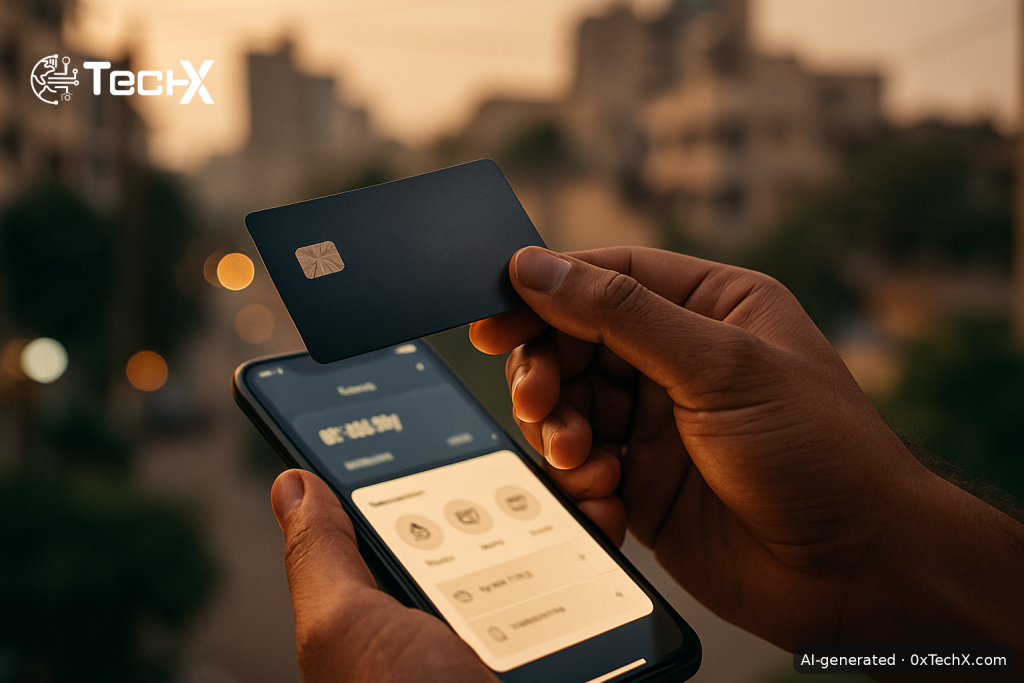
Pakistan’s first fintech credit card is now live. Zindigi, the digital banking platform backed by JS Bank, launched the card in March 2026, letting users apply, activate, and manage credit entirely from their phones. No branch visit. No thick stack of paperwork. Just open the app, apply, and get a credit decision in minutes. This is a big step in a country where millions of people use digital wallets every day but have never held a credit card.
What Is the Zindigi Fintech Credit Card?
The Zindigi fintech credit card is a fully app-based credit product, the first of its kind in Pakistan. Traditional credit cards here have always come with long queues, salary slips, and waiting weeks for approval. Zindigi changes that model. The whole journey, from application to activation to spending control, happens inside the Zindigi app.
Once approved, the card works at POS terminals, for online shopping, at ATMs, and for international transactions. Users can set their own PIN, block the card instantly, control transaction limits, and watch every rupee in real time, all from within the app. This level of control is something most Pakistani bank customers have never had before.
Who Is It Built For?
Zindigi is targeting two clear groups. First, the mobile-first generation: young Pakistanis who already pay bills, transfer money, and shop online through their phones but have been locked out of credit because traditional banks demand physical documentation and long credit histories. Second, digitally active but underbanked consumers who use fintech apps daily yet have no formal credit access.
Pakistan has over 190 million mobile connections and smartphone penetration that reached 52% in 2024. That is a massive pool of potential users who are comfortable with apps but have not been served by conventional credit products. The Zindigi card is aimed squarely at them.
The Credit Gap Is Real and Growing
Pakistan’s digital payments story has been impressive. Retail payment transactions hit 9.1 billion in volume, worth Rs612 trillion, growing 38% year-on-year. Digital channels now handle nearly 88% of all retail transactions, up from 78% just two years ago. POS terminals grew 56% to almost 196,000, and QR-enabled merchants doubled to around 1.1 million.
Yet credit card use has not kept pace with this digital wave. Most Pakistanis who pay digitally are using debit cards or wallets, spending only what they already have. Access to credit, especially for salaried workers, freelancers, and gig economy earners, has stayed stubbornly out of reach through traditional banking channels. That is the gap the Zindigi fintech credit card is designed to close.
Pakistan already has over 11 billion digital transactions and 2 million Raast merchants driving the cashless economy forward. Adding credit access to this ecosystem is the logical next step.
Key Features at a Glance
- Full app-based application: No branch visit, no physical paperwork required.
- Credit in minutes: Approval and access granted almost instantly after applying.
- Multi-channel use: Works at POS, for online purchases, ATM withdrawals, and international transactions.
- In-app controls: Activate, set PIN, block, unblock, set spending limits, and track every transaction live.
- Lifestyle perks: Discounts on dining, travel, shopping, and entertainment for cardholders.
- Built on existing ecosystem: Sits alongside Zindigi’s five existing debit cards, adding credit as a new layer.
Why This Matters for Pakistan’s Fintech Market
Zindigi was launched in 2022 by JS Bank as an all-in-one finance app covering money movement, payments, salary advances, insurance, and trading. The credit card extends that vision into lending, the one area where fintech apps in Pakistan had not yet made a direct mark on ordinary consumers.
Traditional credit in Pakistan has long involved heavy documentation, long waits, and terms that put many people off. By using app-based data and digital onboarding, Zindigi can assess users faster and reach people who would never qualify through a conventional bank counter. This is the same approach that drove credit expansion in markets like India and Indonesia, and it could move the needle on financial inclusion in Pakistan.
Experts do point out that challenges remain. Frequent card transaction failures, fragmented payment gateways, and limited trust in digital systems are still real problems. Internet disruptions alone cost Pakistan an estimated $1.62 billion in 2024. But those are ecosystem problems, not reasons to avoid innovation. A product like the Zindigi fintech credit card can actually push regulators and banks to fix the underlying infrastructure faster.
The State Bank of Pakistan has been encouraging this direction. Its Regulatory Sandbox, launched in 2025, lets startups test new financial products under controlled conditions. Raast, the national instant payment rail, already connects millions of users. The policy ground is fertile for a fintech credit product to scale.
Pakistan’s growing digital infrastructure, with over 143 million broadband subscribers, means the audience for app-based credit is only going to expand. The Zindigi card is early, but it signals where the market is heading.
Frequently Asked Questions
What makes the Zindigi card Pakistan’s first fintech credit card?
It is the first credit card in Pakistan where the entire process, applying, getting approved, activating, and managing the card, is done through a mobile app with no branch visit or physical paperwork. Previous credit cards from traditional banks all required in-person steps.
Who can apply for the Zindigi fintech credit card?
Any existing or new Zindigi user can apply through the app. It is designed for digitally active Pakistanis, including young professionals, salaried workers, and people who have been underserved by traditional banking credit products.
Does the card work for international payments?
Yes. The Zindigi credit card supports POS payments, online transactions, ATM withdrawals, and international payments, all managed from within the Zindigi app.
Is Zindigi a bank or a fintech app?
Zindigi is the digital banking subsidiary of JS Bank, one of Pakistan’s licensed commercial banks. It operates as a fintech-style app but runs on JS Bank’s full banking licence, which means your money and credit are backed by a regulated institution. You can learn more on the JS Bank official website or through the State Bank of Pakistan, which regulates all banking products in the country.