
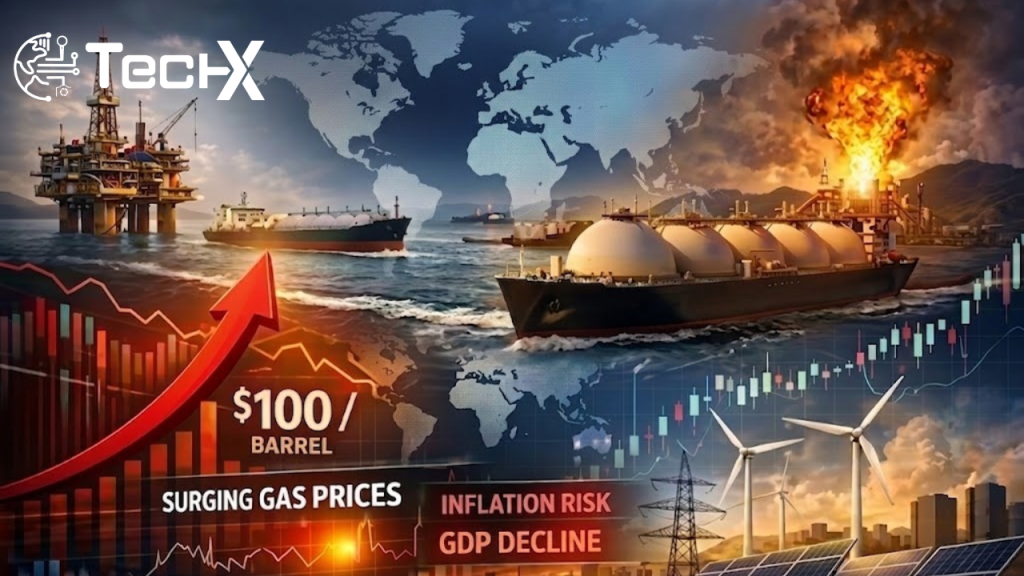
The World Bank has confirmed that global energy prices are projected to surge by 24% throughout 2026. This spike is expected to push costs to their highest levels seen since the 2022 energy crisis. This dramatic increase marks a sharp reversal from the relative stabilization the markets experienced over the last two years, threatening to reignite global inflation.
Impact of Middle East Conflict
The primary driver behind this projection is the ongoing and escalating conflict in the Middle East. This geopolitical instability has caused unprecedented shocks to global supply chains. Because the region is a central hub for global oil and gas exports, any sustained military or political disruption immediately tightens global supply, leading to the rapid price hikes predicted by the World Bank.
Oil Supply and the $115 Scenario
Specific focus has been placed on the Strait of Hormuz, where shipping disruptions have led to a historic decline in oil supply approximately 10 million barrels per day. Under current conditions, Brent Crude oil is expected to average $86 per barrel in 2026, a significant jump from $69 in 2025. However, the report warns that if the conflict worsens, prices could peak as high as $115 per barrel.
The Fertilizer and Food Crisis
The energy shock is not limited to fuel alone; it is heavily impacting the agricultural sector. As energy is a key component in the production of fertilizers, their prices are expected to rise by 31%. This “second-wave” effect means that food prices will likely follow suit, making basic necessities more expensive for households worldwide and increasing the risk of food insecurity in developing nations.
Economic Slowdown and Inflation
The World Bank warns that these high energy costs will act as a significant drag on global economic growth. High fuel and production costs force central banks to keep interest rates elevated to combat inflation, which in turn slows down industrial activity. Developing economies are particularly vulnerable to this cycle, as they face the dual pressure of high import costs and slowing demand for their exports.
A Call for Market Vigilance
In conclusion, the 2026 outlook emphasizes that the global economy remains highly sensitive to geopolitical events. While supply chains have shown some resilience in the past, the scale of the current disruption is rare. The World Bank advises governments and industries to prepare for a period of high volatility and to prioritize energy efficiency to mitigate the impact of these rising costs.