
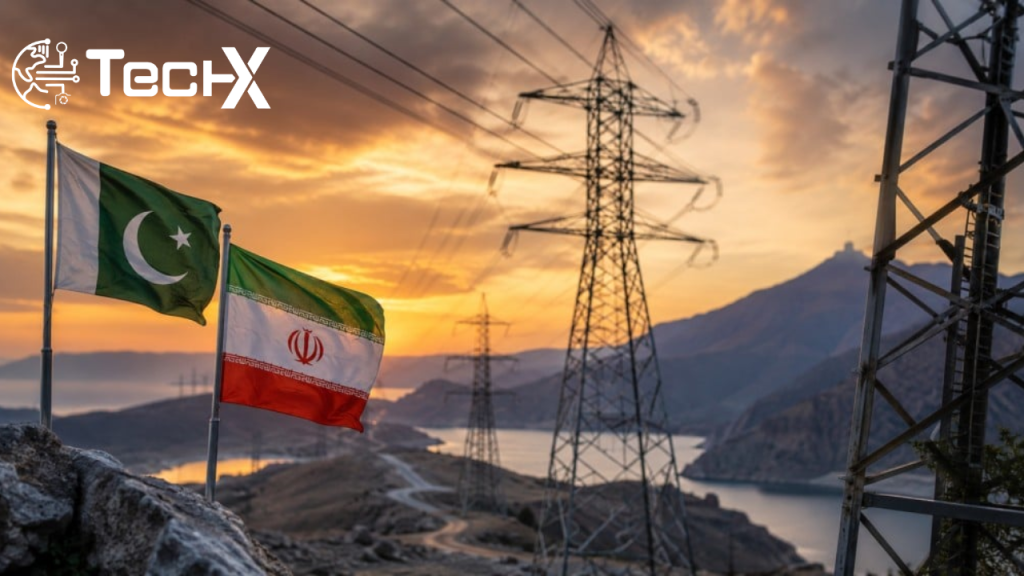
Pakistan has approved plans to import an additional 100 megawatts (MW) of electricity from Iran to help meet the growing energy needs of Balochistan’s coastal and border regions. The approval was granted by the National Electric Power Regulatory Authority (NEPRA), which finalized the tariff arrangements for the expanded supply agreement. This new arrangement will increase the total electricity import from Iran to approximately 204 MW.
Areas That Will Benefit
The imported electricity is mainly intended for the Makran division and nearby districts of Balochistan, including Gwadar, Turbat, Panjgur, and surrounding areas where the national grid system remains limited or unstable. These regions have long faced electricity shortages due to their distance from Pakistan’s major power infrastructure. Importing power from Iran is considered a practical short-term solution to improve electricity availability in these areas.
Transmission Line and Technical Details
According to reports, the additional electricity will be supplied through the Polan Gabd transmission connection between Pakistan and Iran. Pakistan has already been importing around 104 MW from Iran under previous agreements signed between the two countries. The latest expansion reflects continued cooperation in the energy sector and is expected to strengthen cross-border infrastructure and power reliability.
Tariff and Financial Structure
NEPRA approved the tariff framework for the imported electricity, with reports indicating that the rate may remain around 12.4 US cents per kilowatt-hour (kWh). The tariff is partly linked to international oil prices, which means the final cost may vary depending on global energy market conditions. Officials believe the arrangement is still beneficial for remote areas where local electricity generation and transmission remain expensive and difficult.
Importance for Pakistan Energy Sector
Pakistan continues to face challenges related to electricity demand, fuel costs, and transmission limitations. The additional power import from Iran is part of broader efforts to reduce outages and support economic activity in underserved regions. Energy experts also view the agreement as an example of improving regional cooperation between neighboring countries despite wider geopolitical and economic pressures.