
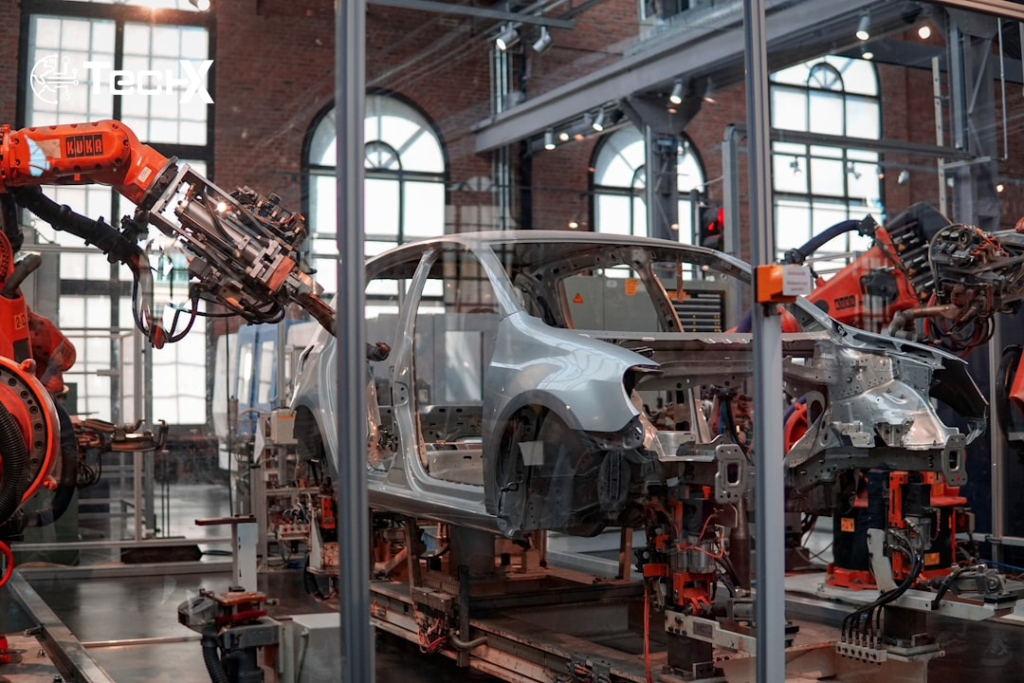
Volkswagen job cuts of up to 100,000 positions are now on the table, making this the most sweeping restructuring any major automaker has ever attempted. Reports published on Friday, 26 June 2026, by Germany’s Manager Magazin and confirmed by Reuters sources say the plan would also shut down four factories inside Germany and slash investment spending by 15% over the next five years.
What the Volkswagen Job Cuts Plan Actually Looks Like
The scale of what Volkswagen is considering is hard to overstate. The company had roughly 657,400 employees at the end of the first quarter of 2026. Cutting 100,000 of them would mean removing about 15% of the entire global workforce in one restructuring wave.
The four factories earmarked for closure are the VW plants in Hanover, Zwickau, and Emden, plus Audi’s site in Neckarsulm. Together, those four locations employ more than 45,000 workers. That figure sits on top of 50,000 job losses already agreed with trade unions back in 2024, which means the total reduction could push well past 100,000 when added together.
The plan also includes spinning off the main Volkswagen brand and its auto parts business into separate companies. Investment over the next five years would be cut by roughly 15%, bringing it to just over 130 billion euros (about $148 billion).
Volkswagen’s supervisory board is set to hold a formal meeting on 9 July 2026 to discuss the proposal. CEO Oliver Blume had already briefed senior leadership earlier in the week to build internal support before the bigger fight with unions begins.
Why VW Is in This Position
The Volkswagen job cuts story did not come out of nowhere. The company has been under serious financial pressure for several years, and the numbers in 2026 make that very clear.
In the first quarter of 2026, Volkswagen’s net profit fell 28% compared to the same period a year earlier, dropping to just 1.56 billion euros. Revenue also slipped 2% to 75.7 billion euros. US tariffs are costing the group around 4 billion euros every year. And in China, which is Volkswagen’s single biggest market, first-quarter sales fell by 20%.
The China story is especially painful. According to consulting firm AlixPartners, the combined market share of non-Chinese automakers in China fell to just 32% in 2025, down from 57% in 2020. Volkswagen, which was once the top-selling foreign brand in China, slipped behind BYD in 2024 and dropped to third place in 2025. Chinese brands such as BYD, Chery, SAIC, and Leapmotor have also doubled their combined market share in Europe over the past year.
In short, Volkswagen is being squeezed from every direction. Energy costs in Germany are high. Chinese rivals make cheaper electric cars. US tariffs eat into margins. And European buyers are buying fewer new cars overall.


Unions and State Government Push Back Hard
The Volkswagen job cuts plan has already met fierce resistance. Germany’s powerful IG Metall union and VW’s own General Works Council put out a joint statement on Friday saying they would use every tool available to block the plans. The German state of Lower Saxony, which holds a stake in Volkswagen and has seats on the supervisory board, has also said it will oppose any large-scale closures.
This resistance matters a lot. Under German law, workers and their representatives hold half the seats on the supervisory board. That means any restructuring plan needs their agreement, or at least some level of negotiated compromise, before it can move forward. Getting approval for cuts this large will not be easy or quick.
One analyst, Ingo Speich of investment firm Deka, made the point that cutting costs alone may not fix VW’s real problem. The company also needs new car models that people actually want to buy, especially in the electric vehicle segment where Chinese brands are moving faster.
VW Shares Fall to 16-Year Low
Markets were not impressed by the news. Volkswagen shares fell to their lowest level in 16 years on Friday, dropping about 0.4% on the day. Over the full year of 2026, the stock has lost more than a quarter of its value. Investors seem unsure whether cuts of this size will be enough to turn the company around, or whether deeper structural changes are needed.
A Volkswagen spokesperson declined to comment on what they called “confidential documents” but did acknowledge that the entire group, across all its brands, needs to go through “far-reaching change.”
What This Means for the Global Auto Industry
Volkswagen is not alone in facing this pressure. The whole traditional car industry is going through a very difficult shift from petrol and diesel engines to electric vehicles. Chinese brands moved early and aggressively into EVs and now have a cost advantage that older European and American makers struggle to match.
If VW’s restructuring goes ahead, it will send a clear signal to other legacy automakers that even the biggest names in the business are not safe from this disruption. For countries like Pakistan, where car imports and the local auto sector are both sensitive to global supply chains and pricing, these shifts in the global car industry are worth watching. Chinese EV brands are already entering many emerging markets, and the retreat of European brands like Volkswagen could open more space for those players. Readers interested in how global car import rules are shifting locally can check out our article on used car import rules and their one-time relaxation in Pakistan.
Frequently Asked Questions
How many jobs could Volkswagen cut?
Reports say Volkswagen is considering cutting up to 100,000 jobs. That is roughly 15% of its total global workforce of about 657,400 people.
Which factories could close?
The plants in Hanover, Zwickau, and Emden are named in reports, along with Audi’s factory in Neckarsulm. Together these four sites employ more than 45,000 workers.
Why are the Volkswagen job cuts happening?
The main reasons are falling profits, high energy costs in Germany, US tariffs costing roughly 4 billion euros a year, and strong competition from Chinese electric vehicle makers like BYD in both China and Europe.
When will a final decision be made?
Volkswagen’s supervisory board is scheduled to formally discuss the restructuring plan on 9 July 2026. Any plan still needs to get past powerful unions and the German state government of Lower Saxony, which both oppose the cuts.