
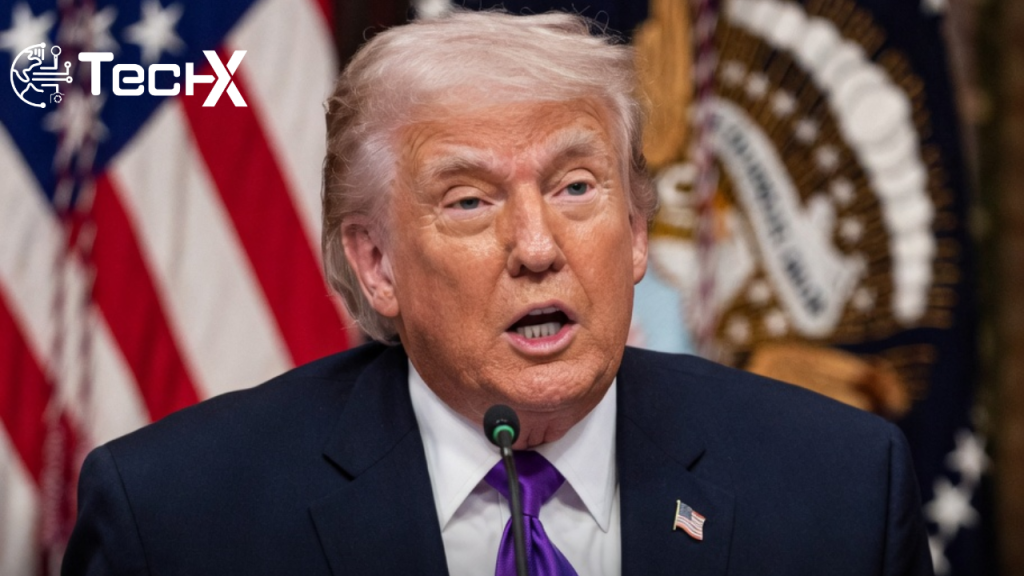
Recent reports suggest that US President Donald Trump stated the United States would maintain strong pressure on Iran unless a peace agreement is reached. However, there is no verified evidence of an official US “blockade of Iranian ports” being declared as a formal policy. Instead, US policy continues to focus on sanctions and maritime pressure measures against Iran.
Ongoing US Iran Tensions
The relationship between the United States and Iran remains tense due to long standing issues involving nuclear activity, regional conflicts, and security concerns in the Middle East. The US has previously imposed strict economic sanctions aimed at limiting Iran’s oil exports and financial access rather than enforcing a full naval blockade.
Maritime Security in the Region
The Strait of Hormuz remains a highly sensitive waterway through which a significant portion of global oil trade passes. While there have been increased naval deployments and monitoring operations in the region, these are generally focused on security and deterrence, not a complete blockade of Iranian ports.
US Strategy of Economic Pressure
Instead of direct blockades, the United States typically uses economic sanctions and diplomatic pressure to influence Iran’s policies. These measures target Iran’s banking system, oil exports, and international trade, aiming to push Tehran toward negotiations on nuclear and regional issues.
Diplomatic Efforts and International Involvement
Multiple international actors, including European countries and regional stakeholders, continue to encourage dialogue between the US and Iran. While tensions remain high, diplomatic channels are still open, and efforts to revive or renegotiate agreements have been ongoing in different forms.
Conclusion
In summary, while statements about increased pressure on Iran are consistent with US foreign policy, claims of an active “blockade of Iranian ports” are not confirmed as official policy. The situation is better understood as part of ongoing sanctions, strategic pressure, and diplomatic tension between the two countries.