
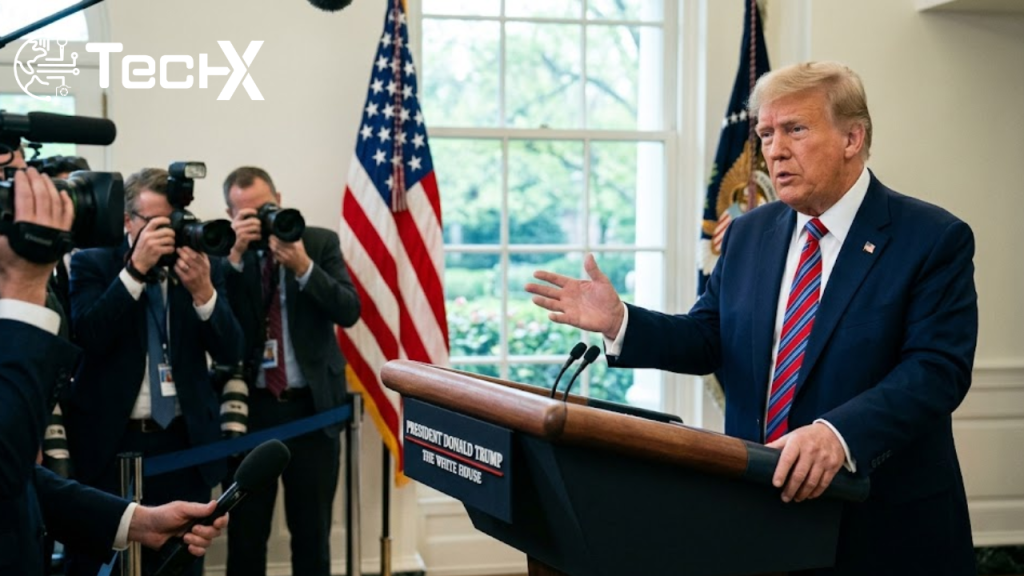
US President Donald Trump has announced that he plans to increase tariffs on cars and trucks imported from the European Union to around 25%. The move is part of his broader trade policy approach aimed at strengthening domestic manufacturing in the United States and reducing trade deficits with Europe.
Reason Behind the Tariff Decision
According to the announcement, the main objective of this decision is to protect the American automotive industry. The US administration argues that higher tariffs will encourage local production, create jobs, and reduce dependence on foreign-made vehicles, particularly those imported from European countries.
Impact on US EU Trade Relations
The proposed tariff increase has added further tension to already sensitive trade relations between the United States and the European Union. European manufacturers are expected to face higher costs in the US market, which could affect exports and pricing competitiveness.
Economic Concerns and Reactions
Economists and trade analysts have raised concerns that such tariffs could lead to retaliatory measures from the European Union. This could potentially escalate into a wider trade dispute, impacting global supply chains, automobile prices, and international market stability.
Implementation and Policy Status
While the announcement has been made, the final implementation of the tariff increase depends on official regulatory procedures and government approval. Trade policies of this scale usually undergo legal and administrative review before being enforced.
Conclusion and Outlook
In conclusion, the proposed 25% tariff on EU cars and trucks reflects a strong protectionist trade stance by the US administration. The decision, if fully implemented, could significantly reshape US–EU trade dynamics and influence the global automotive industry.