
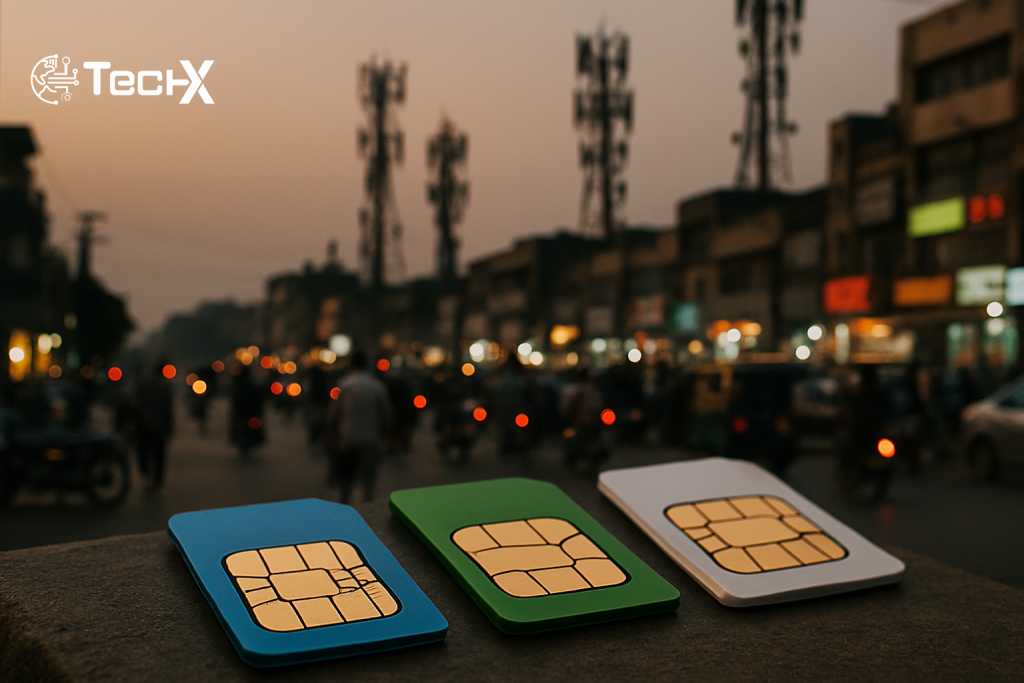
The Telenor Ufone merger has cleared its final legal hurdle. On June 30, 2026, the Islamabad High Court (IHC) approved the amalgamation of Telenor Pakistan into Pak Telecom Mobile Limited (PTML), the company that runs the Ufone network. This single court order sets the stage for one of the biggest shake-ups Pakistan’s mobile sector has ever seen, ending four-operator competition and bringing a brand most Pakistanis have never heard of straight to their pockets.


What the IHC Actually Decided
Justice Khadim Hussain Soomro of the IHC sanctioned the Scheme of Amalgamation under Sections 279 to 283 and 285(8) of the Companies Act, 2017. The court ruled that the merger met all legal requirements, was fair to shareholders and creditors, and was not against the public interest.
The court-approved Scheme of Amalgamation provides for the transfer of all assets, liabilities, rights, obligations, contracts, and operations of Telenor Pakistan to PTML as a going concern. In plain terms, Telenor Pakistan does not go through a normal shutdown. Following the amalgamation, Telenor Pakistan will stand dissolved without winding up, and its name will be struck off from the records of the Registrar of Companies.
Shareholders of both PTML and Telenor Pakistan unanimously endorsed the scheme at separate meetings held on June 5, 2026, with all procedural requirements duly complied with. No objections were received from any shareholder, creditor, or member of the public. The court also noted that all secured creditors unanimously approved the merger after furnishing their No Objection Certificates, and the International Finance Corporation consortium separately submitted its NOC before the Securities and Exchange Commission of Pakistan.
How the Telenor Ufone Merger Reached This Point
PTCL had signed a share purchase agreement with Norway’s Telenor Group in December 2023 to acquire the two entities for $400 million. PTCL acquired 100% shareholding of Telenor Pakistan and Orion Towers on December 31, 2025, and the shares were transferred in PTCL’s name.
The Competition Commission of Pakistan (CCP) approved PTCL’s acquisition in October 2025, subject to conditions aimed at protecting competition, ensuring non-discriminatory access, and passing efficiencies on to consumers. After that, the IHC approval followed the Pakistan Telecommunication Authority’s (PTA) issuance of the final No Objection Certificate (NOC), allowing the operational integration of the two mobile operators.
The Pakistan Telecommunication Authority (PTA) did not approve the deal without conditions. PTA had attached consumer-protection conditions to the merger, including maintaining service continuity, complying with existing licence obligations during the transition, and protecting franchisees through advance notice requirements. On the pricing side, PTML, post-merger, will not be allowed to introduce or revise pricing for retail or wholesale services without prior PTA approval, and the Authority has explicitly prohibited predatory pricing and cross-subsidization practices that could distort competition.
What the e& Rebrand Means for Pakistan
The merged company is expected to discontinue both Ufone and Telenor brands after the integration process and adopt the e& identity as part of the UAE-based group’s global branding strategy. The move is not a surprise. It mirrors e&’s international restructuring efforts, where the company has been consolidating regional telecom businesses under a single global brand to strengthen its digital services ecosystem.
Ufone has been active in Pakistan since 2001, while Telenor Pakistan launched in 2005 and grew to become the country’s third-largest operator by subscriber count. Retiring both names simultaneously in favour of a brand that carries no consumer recognition in Pakistan is a bold strategic choice, one that prioritises global brand consistency for the e& group over the accumulated consumer equity of two well-established local identities.
You can read more about e& (formerly Etisalat), the UAE-based telecom giant that now controls PTCL and its subsidiaries, on Wikipedia. The timing of the rebrand, whether it follows immediately after legal integration or is phased in over an operational transition period, has not been officially confirmed.
Pakistan Goes from Four Operators to Three
This is the biggest structural change for Pakistani mobile users. Once completed, the deal will reshape Pakistan’s telecoms landscape into a three-player market, with Jazz, Zong (China Mobile), and the combined entity competing for market share.
As of May 2026, Telenor held 21.26 percent of Pakistan’s cellular market while Ufone held 14.65 percent, a combined 35.91 percent that places the merged entity within a fraction of Jazz’s 36.42 percent. In subscriber numbers, the merged company will become Pakistan’s second-largest mobile operator with around 70 million subscribers, intensifying competition with market leader Jazz.
Industry officials said the integration will create the country’s largest telecom network infrastructure by combining spectrum assets, towers, transmission systems, and digital platforms. The merged company is reported to have around 26,000 telecom towers, and many are located close to each other. Overlapping towers can be shut down to cut costs and improve efficiency, but the process must be handled carefully to avoid coverage gaps and service disruptions.
What Changes for Telenor and Ufone Customers Right Now
The honest answer is: not much, at least for now. While the merger has become legally effective, customers are unlikely to notice immediate changes. Existing SIM cards, numbers, packages, and mobile services will continue uninterrupted during the transition period, with network integration and migration of digital platforms taking place in phases.
Existing Telenor SIM numbers will continue on the Ufone network. That reduces customer friction because people do not want forced number changes or re-registration hassles.
What the court order enables is the full range of synergies that motivated the acquisition: shared network infrastructure, combined spectrum holdings, unified back-office operations, and the ability to present a single balance sheet to investors, lenders, and regulators. Over time, the real competitive battle will be about service quality and pricing during the transition. If integration is smooth and network experience improves, churn risk falls. If customers face service issues or confusion, competitors may gain market share.
Frequently Asked Questions
Is the Telenor Ufone merger now fully complete?
The legal and regulatory steps are done. The Islamabad High Court approved the proposed Scheme of Amalgamation for merging Telenor Pakistan into Pak Telecom Mobile Limited, clearing the final legal requirement for one of Pakistan’s largest telecom mergers. Operational and network integration will take more time, likely running well into 2027.
Will my Telenor or Ufone SIM stop working?
No. In the near term, likely through the remainder of 2026, both Telenor and Ufone networks will continue operating separately with their existing SIM infrastructure, customer service channels, and pricing plans intact. You do not need to change your SIM or number.
Who is e& and why is it taking over both brands?
e& is the UAE-based telecom group formerly known as Etisalat. It already owns PTCL, which in turn owns both Ufone and now Telenor Pakistan. The merged company is expected to gradually retire both the Ufone and Telenor brands and adopt the e& identity, aligning Pakistan’s operations with the UAE telecom giant’s global branding strategy.
Will prices go up after the merger?
Regulators are watching closely. Tariffs will remain under strict scrutiny. PTML, post-merger, will not be allowed to introduce or revise pricing for retail or wholesale services without prior PTA approval. The Competition Commission of Pakistan also approved the deal subject to conditions aimed at protecting competition and passing efficiencies on to consumers. Whether that actually translates to lower bills will depend on how competition plays out between Jazz, Zong, and the new e& entity.