
The SFM compile process is the backbone of custom content creation inside Source Filmmaker. If you have ever tried to drop a custom model into SFM and seen nothing but a pink-and-black mess, you already know why this step matters. This guide explains what SFM compile is, how it works, and what tools you need to get it right, even if you are a complete beginner.
What Is SFM Compile and Why Does It Matter?
SFM compile refers to converting raw 3D model files, textures, and animations into a format the Source Engine can understand. Source Filmmaker does not read common files like .FBX or .OBJ directly. Instead, it uses its own set of compiled formats.
SFM Compile refers to the process of converting standard 3D model files into a format that the Source Filmmaker (SFM) engine can read and render properly. SFM itself is built on the Source Engine, which is designed to work with a very specific set of compiled asset formats rather than modern raw 3D files like FBX or OBJ.
At its core, SFM Compile is not just a simple file conversion. It is a structured packaging process that organises geometry, textures, rigging data, and physics information into a single cohesive model bundle. Without this step, SFM cannot interpret custom assets, meaning they will not load or will appear broken inside the scene editor.
Think of it like baking. You mix your ingredients (a mesh, textures, and bone rigs), follow a recipe (a .QC script), put it in the oven (the compiler), and out comes a finished file that SFM can use.
The Key Files Involved in SFM Compile
Before you touch any compiler, you need to know the file types. Each one plays a specific role in the process.
- .QC (QuakeC Script): This is the control script that tells the compiler what to do, how to handle the model, which textures to use, what animations to apply, and more. Think of it as the blueprint for your asset.
- .SMD (Studiomdl Data): Used primarily for mesh, skeleton, and animation data. It is a simple, widely-supported format that most 3D tools can export.
- .DMX (Data Model Exchange): A more modern, flexible format used for advanced rigs and facial animations.
- .MDL: The final output file SFM loads as a usable model.
- .VTF and .VMT: These handle textures and materials in the Source Engine pipeline.
- .BSP: The compiled map format, required when you build custom environments for SFM scenes.
Tools You Need for the SFM Compile Process
You do not need expensive software. Most of the tools used for SFM compile are free.
Studiomdl (by Valve)
One of the most important tools in SFM Compile is Valve’s studiomdl.exe. This command-line compiler is responsible for converting QC instructions into final MDL-based assets. It is included in the Source Filmmaker installation and acts as the backbone of the entire compilation process.
Crowbar
For users who prefer a more accessible interface, Crowbar is widely used. It wraps the compiler in a graphical interface, making it easier to manage QC files, view logs, and debug errors. Many beginners rely on Crowbar because it simplifies troubleshooting significantly.
Crowbar, on the other hand, is a more comprehensive tool. It supports both decompiling and compiling, has more configuration options, and can handle assets for multiple Source engine games, not just SFM.
Blender
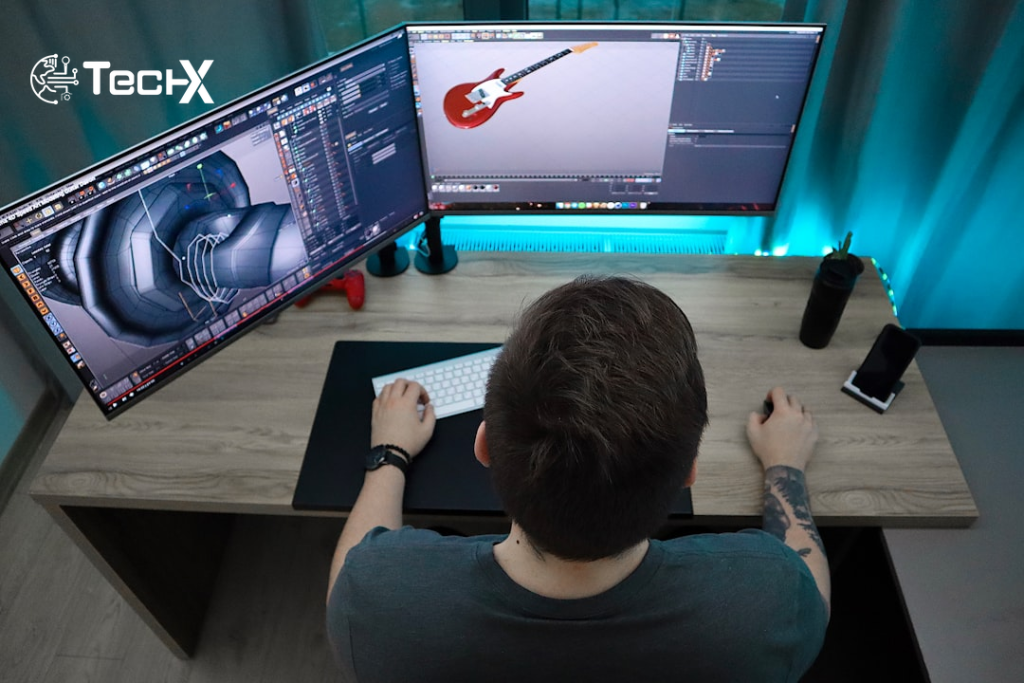
Most creators model their assets in Blender. Blender plays a central role in the asset pipeline. It is widely used due to its accessibility and powerful export tools. Once you finish your model in Blender, you export it as .SMD or .DMX before running the compiler.
How the SFM Compile Workflow Works Step by Step
Here is the full process from start to finish in simple terms:
- Step 1, Create your asset: In a standard SFM workflow, artists model and texture assets using third-party software like Blender or Maya. These assets are then exported in formats like .SMD, .DMX, or .FBX.
- Step 2, Write the QC script: The QC file contains a script that instructs SFM how to process your model. It specifies materials, hitboxes, mechanics, and animation sequences. A well-written QC file is required for a successful compilation.
- Step 3, Run the compiler: Load the QC file into Crowbar or run Studiomdl via the command line and start the compile.
- Step 4, Fix errors from the log: Logs generated by the compiler help diagnose problems with materials, rigging, or animations. These logs are essential during asset development.
- Step 5, Test inside SFM: After compilation, the generated files are placed into the SFM directory. At this stage, the model becomes available for use inside Source Filmmaker. Testing is essential to ensure textures, animations, and physics behave as expected.
Common SFM Compile Errors and How to Fix Them
Even experienced animators run into problems. Here are the most common ones and how to solve them quickly.
Pink and Black Checkerboard Textures
Why do compiled models show purple-black checkerboard textures? This usually happens when texture paths are incorrect or missing. The engine cannot locate the required VMT or VTF files. Always double-check that your material paths in the QC file match the exact folder structure inside your SFM content directory.
Missing or Broken Bones
Another common issue is bone structure mismatch. If the rig does not follow Source Engine naming conventions, animations may fail or behave unpredictably. Make sure your bone names match Valve’s rigging standards before you start the compile.
Scale Problems
Scale issues also frequently occur, causing models to appear too large, too small, or completely invisible. Set your scale correctly in the QC file and test in SFM’s model viewer before doing any animation work.
Compile Crashes Mid-Process
During the compiling process, the tool detects structural or formatting issues. This can prevent crashes during rendering. If a crash happens, check the log file for the exact line that caused the problem. Often, it is a missing file or a path with the wrong slashes.
Recent Improvements to SFM Compile Tools
The tools around SFM compile have not stood still. The community has pushed updates that make the process faster and easier.
Engine tweaks have reduced compile times by up to 20% in some benchmarks. Newer versions of the tool provide more descriptive logs. Improvements now allow better support on Linux-based SFM setups.
SFMCompile was created to address performance and stability issues in Source Filmmaker. It allows users to optimise rendering performance, compile projects more efficiently, reduce crashes, and improve final render quality with advanced encoding settings.
The community around Source Filmmaker is also active and helpful. Platforms like the Steam Workshop let creators share compiled assets, which means you can learn from existing models before you build your own.
Frequently Asked Questions
Do I need coding experience to do an SFM compile?
Not necessarily. Basic scripting knowledge helps, especially for QC files, but beginners can learn the process through practice and documentation. The QC file is mostly a text file with simple commands. Most beginners pick it up within a few hours of practice.
How long does an SFM compile take?
Compile time depends on model complexity. Simple models may take seconds, while detailed characters with animations and physics can take several minutes. Batch processing multiple assets at once can save a lot of time on bigger projects.
Can I use SFM compile with Source 2 games?
SFM Compile is designed for the original Source Engine used in Source Filmmaker. Source 2 uses a completely different asset pipeline and toolchain. If you are working with newer Valve titles like Half-Life: Alyx, you will need a different workflow entirely.
Why does my model not appear in SFM after compiling?
The most common reason is that the compiled .MDL file is not in the right folder. Once all steps finish, the final BSP file is generated automatically. Move or confirm it is inside the correct folder of Source Filmmaker, then open SFM and load the asset for animation or scene creation. The same rule applies to models: they must sit in the correct path inside your SFM content directory to show up in the browser.