
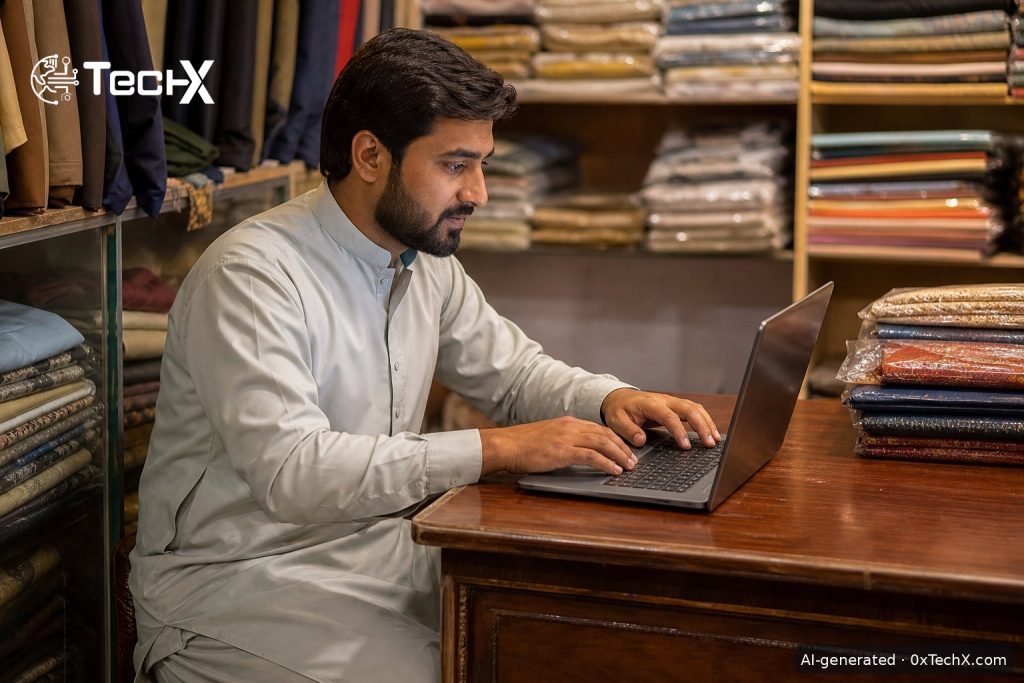
The SBP SMEConnect portal is now live, and it changes how every small and medium business in Pakistan applies for a bank loan. The State Bank of Pakistan launched SMEConnect, a centralised digital platform through which SMEs apply for finance from banks and development finance institutions (DFIs), and from 1 November 2026 applications must be submitted exclusively through the portal. Whether you walk into a branch or visit a bank website, you will be directed to one place: smeconnect.sbp.org.pk.
What Is the SBP SMEConnect Portal?
SMEConnect is the centralised SME Financing Portal that the SBP has built to strengthen the link between small businesses and banks or DFIs, serving as the single digital platform for all SMEs looking to access financing.
The portal can be used in either English or Urdu, which is a practical touch for business owners across different regions of Pakistan. A tutorial video is also available on the portal to help users through the application process.
This is not just a website update. It is a structural shift in how the SBP tracks and manages credit to small businesses across the entire country.
How to Apply for an SME Loan on SMEConnect
Small businesses can now apply for bank financing online through SMEConnect. The process takes a few steps: create an account, verify your business bank account, fill in your business details, and submit a financing request to your bank.
The home page shows the eligibility criteria for SME financing, an outline of the application process, and quick links to related bodies such as the SBP, SECP, FBR, SMEDA, and the SBP’s Sunwai complaint service.
In the financing section, you enter the details of the loan you need, such as the mode of financing, the amount, and the tenor. The portal then shows your application reference, including a case ID, the submission date, the assigned bank, and the status of the application.
The SBP has instructed financial institutions to display links to SMEConnect prominently on their websites and ensure their SME teams and field staff are familiar with the system. Bank staff will also be required to guide applicants through the process.
Why This Matters for Pakistan Fintech Adoption
Most coverage of this story focuses on the loan application process. But the bigger story is what this platform signals for Pakistan’s fintech ecosystem and digital financial inclusion more broadly.
For years, one of the most common complaints from small business owners has been that the loan process is opaque. You submit papers, you wait, and you rarely hear back with a clear reason if you are refused. The SMEConnect platform now allows applicants to monitor their applications in real time and view the reasons for rejection, where applicable. That single feature could change how millions of SME owners engage with formal banking.
A live dashboard also allows the SBP to follow applications received, processed, approved, disbursed and rejected, bank by bank and across the industry. This gives the central bank something it has never had before: a real-time, industry-wide picture of SME credit flow. That data will be valuable for policy decisions and for spotting where banks are dragging their feet.
Pakistan’s fintech sector has been growing steadily, and moves like this from the State Bank of Pakistan create the digital rails that fintech companies and neobanks can build on. If the SMEConnect data is eventually opened through APIs, it could allow third-party platforms to help SMEs better prepare applications, compare lenders, or seek alternative finance. That is where the real fintech opportunity lies. For more on how Pakistani fintech is attracting global interest, see our earlier piece on Singapore-Pakistan fintech ties getting a push from Islamabad talks.
Business leaders have welcomed the launch. The President of the Pakistan Businessmen and Intellectuals Forum described SMEConnect as an important step towards improving access to finance for small and medium-sized enterprises.
But experts are also clear that the portal is just the start. There are proposals for the SBP to publish quarterly bank-wise performance reports showing average decision times, loans approved, amounts disbursed, reasons for rejection, and the number of first-time borrowers. Financing extended to women, smaller cities and disadvantaged districts should be reported separately.
What Banks and DFIs Must Do Now
The SBP has instructed financial institutions to display the SMEConnect link prominently on their websites and ensure their SME teams and field staff are familiar with the system. Bank staff will be required to guide applicants through the process and help them submit their requests.
The earlier rule in the Prudential Regulations for SME Financing that required banks and DFIs to allow applicants to digitally apply for financing on their own platforms will now be withdrawn, replaced by the single SMEConnect system. This consolidation removes duplication and means the SBP has one source of truth for all SME loan data.
Pakistan has around 5.2 million SMEs according to SMEDA, yet the sector has historically been underserved by formal bank credit. A centralised digital portal does not solve the deep structural problem of collateral requirements or limited credit histories, but it removes a real barrier: the confusion and opacity of the old paper-based, branch-by-branch system. This connects to a wider push Pakistan is making on digital government services, similar to the 10 digital government services earmarked for a big upgrade earlier this year.
Frequently Asked Questions
What is SMEConnect and who launched it?
SMEConnect is a centralised digital platform launched by the State Bank of Pakistan through which small and medium enterprises can apply for financing from banks and development finance institutions across the country.
When does SMEConnect become mandatory?
From November 1, 2026, all SME financing applications will be received exclusively through SMEConnect. SME applicants who visit bank or DFI branches, or try to apply through their websites, will be directed to the platform.
Can I track my loan application status on the portal?
Yes. SMEConnect enables applicants to track their loan applications in real time and view the reasons if their applications are rejected. This is one of the most practical improvements for small business owners who have historically had little visibility once an application was submitted.
Does the portal support Urdu?
Yes. The portal connects SMEs and banks on a single platform and can be used in either English or Urdu. This makes it more accessible for business owners across smaller cities and rural areas who are more comfortable in Urdu.