
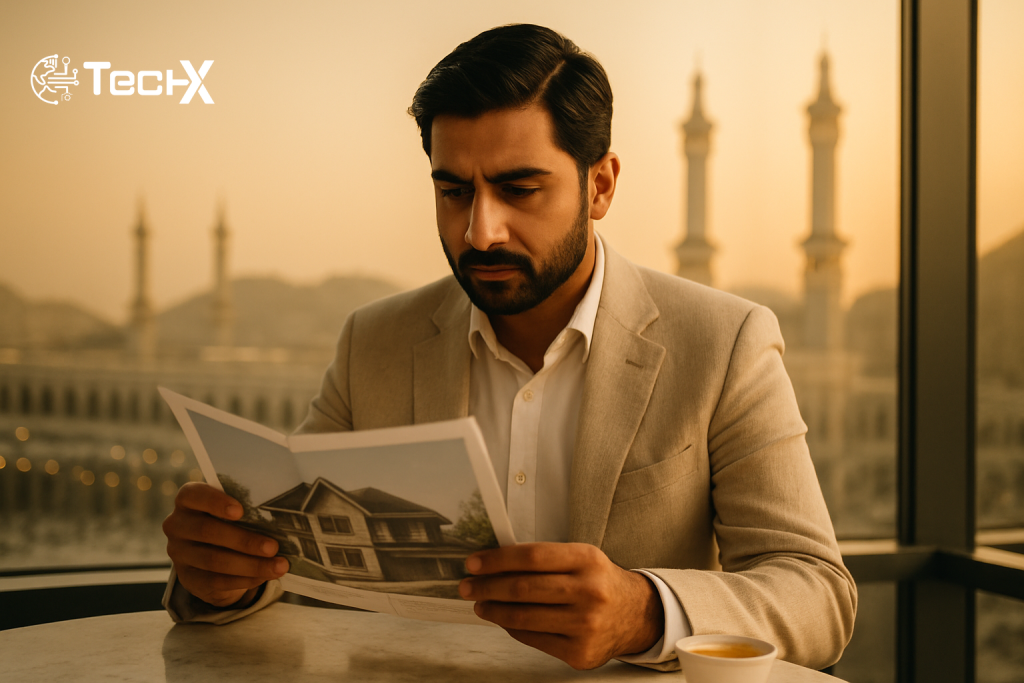
Saudi Arabia property ownership rules saw a historic change on January 22, 2026, when a landmark new law came into force allowing non-Saudis, including Muslim foreigners, to own real estate across the Kingdom for the first time. For Pakistanis, one of the world’s largest Muslim communities with millions of workers and pilgrims connected to Saudi Arabia, this shift opens doors that were firmly shut for decades.
What the New Saudi Arabia Property Ownership Law Actually Says
The law is called the Law of Real Estate Ownership by Non-Saudis. It was approved by Royal Decree M/14 in July 2025 and took effect on January 22, 2026. It replaces an older law from the year 2000 that essentially blocked individual foreigners from owning property in Saudi Arabia.
Under the old rules, a foreigner could only buy property if they were running a business, for example, buying an office for their company. Personal ownership was simply not allowed. The new law changes that completely.
Here is what the new law allows:
- Foreign residents (people living in Saudi Arabia on a valid residency permit) can own property inside approved geographic zones and also one residential unit outside those zones for personal use.
- Non-resident foreigners can own property, but only inside specific zones approved by the Council of Ministers.
- Foreign companies, investment funds, and special-purpose vehicles can acquire real estate for business operations or staff housing.
The Special Rule for Makkah and Madinah
This is the part that matters most to Muslim investors, including Pakistanis. Makkah and Madinah have a separate, stricter framework. Non-Muslim foreigners cannot own property in either holy city. That rule has not changed.
However, Muslim foreigners, whether resident in Saudi Arabia or living abroad, can now acquire property rights within specific regulated zones in Makkah and Madinah. Previously, non-Saudis in these cities could only hold long-term leases (called usufruct), not actual ownership. The new law gives Muslim investors the chance to hold a real title deed in designated zones near the holy mosques.
Saudi Arabia is also targeting over 30 million Umrah pilgrims annually by 2030, which means demand for property close to the Haram is expected to remain very strong. Developers are already launching high-end residential projects in these zones, where owners can stay during Hajj or Ramadan and rent the property out for the rest of the year.
Key Conditions Pakistani Investors Must Understand
Before anyone gets excited and wires money overseas, here are the rules you need to know:
- Designated zones only: The Real Estate General Authority (REGA) of Saudi Arabia is responsible for publishing the approved geographic zones. Ownership outside these zones is not permitted for non-residents.
- Transaction fee: A transfer fee of up to 5% of the property’s value applies when a non-Saudi buys or sells property. This is on top of normal transaction taxes.
- Registration is mandatory: All purchases must be registered in the national Real Estate Registry. An unregistered purchase has no legal standing.
- Makkah and Madinah caps: Foreign ownership in certain zones may be capped between 70% and 90%, meaning a minimum share of each zone must stay in Saudi or Muslim hands.
- Premium Residency link: Buying property does NOT automatically give you a Saudi residency visa. To qualify for the Real Estate Owner Premium Residency, the property must be residential, fully built (not off-plan), and valued at a minimum of SAR 4,000,000 (roughly PKR 30 million at current rates). It must also be bought with cash, not a mortgage.
- Penalties are serious: Violations, like failing to register or using false information to buy, can result in fines of up to SAR 10 million and forced sale of the property at public auction.
How to Buy: The Digital Process
Saudi Arabia has launched a digital platform called Saudi Properties to handle the process. Foreign residents can apply for property ownership registration online using their Saudi residency permit number. Non-resident foreign companies must first register with the Ministry of Investment (MISA) through the Invest Saudi Arabia platform, then proceed to the property portal to complete the purchase.
Documents required include a commercial registration certificate from the home country, translated by an accredited office and officially authenticated. Individual buyers need valid identification and proof of Muslim faith for purchases in Makkah and Madinah zones.
Why This Matters for Pakistanis
Pakistan has one of the largest diaspora communities in Saudi Arabia, with over 2.5 million Pakistani workers living and working there. Many Pakistanis perform Umrah and Hajj regularly and have long wished they could own a small apartment close to Makkah or Madinah to use during visits.
This law now makes that legally possible for Muslim Pakistanis, whether they are Saudi residents or living back in Pakistan. However, the high minimum values, zone restrictions, and cash-only rules for residency-linked purchases mean this is currently more relevant to upper-income or business-class investors rather than ordinary workers.
The law also fits into Saudi Arabia’s broader Vision 2030 programme, which aims to diversify the economy away from oil by attracting global investment, including from Muslim-majority countries like Pakistan.
One important note: Pakistan’s own rules around sending money abroad, under the State Bank of Pakistan’s foreign exchange regulations, still apply. Any Pakistani looking to invest in Saudi real estate must ensure they comply with local outward remittance rules before proceeding.
Frequently Asked Questions
Can a Pakistani citizen buy property in Makkah under the new law?
Yes, if the buyer is Muslim. The new Saudi law allows Muslim foreigners, including Pakistani nationals, to acquire property rights within designated zones in Makkah and Madinah. Non-Muslims are still fully barred from both cities. The exact zone maps are published by REGA.
Do I need to live in Saudi Arabia to buy property there?
No. Non-resident foreigners can buy property in Saudi Arabia, but only within the approved geographic zones set by the Council of Ministers. Foreign residents get slightly broader rights, including the option to own one residential unit outside the approved zones for personal use.
Will buying Saudi property give me a Saudi visa or residency?
Not automatically. The Premium Residency linked to property requires the home to be fully built, worth at least SAR 4,000,000, and purchased entirely with cash (no mortgage). Meeting these conditions makes you eligible to apply, but it is not guaranteed.
What fees and taxes apply to foreign property buyers in Saudi Arabia?
A transfer fee of up to 5% of the property’s value applies to all non-Saudi property transactions, on top of normal taxes. All purchases must be registered in the Real Estate Registry to be legally valid. Failing to register or misrepresenting facts can lead to fines of up to SAR 10 million.