
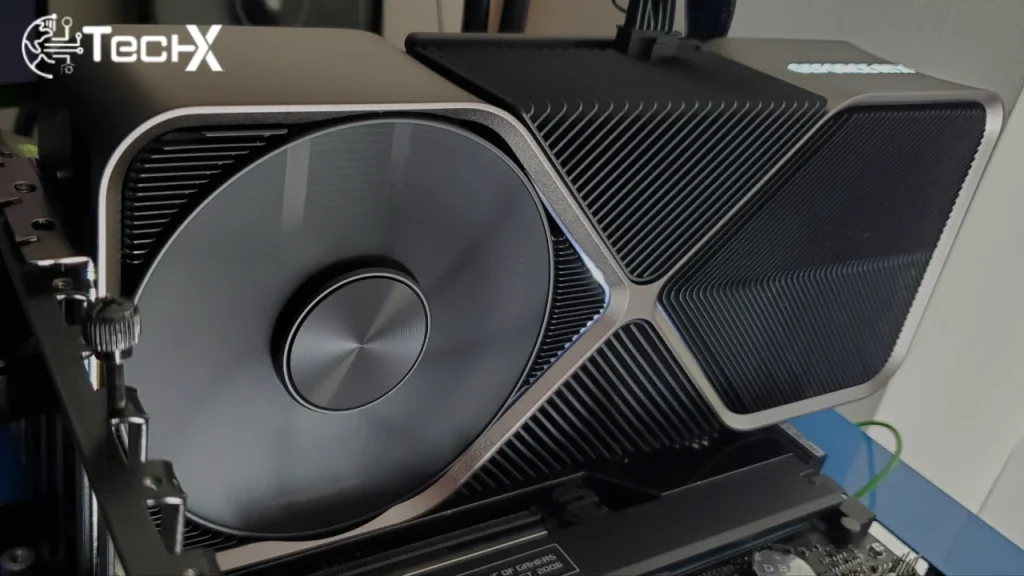
PC gamers dreaming of stronger builds now face a cold wind. The NVIDIA RTX 5090, once a symbol of future power, has become a test of patience and money. What was already costly now feels distant and rare. Across shops and screens, prices climb like ivy, leaving many players waiting, watching, and wondering if upgrading is still a reasonable dream for families and longtime fans.
From Premium to Painful Pricing
Prices have surged far beyond early hopes. NVIDIA set the RTX 5090 launch price at $1,999, already a hefty sum for a single part. At that level, buyers compared it to full consoles and entire systems. Today, that old number feels gentle, as store shelves show figures that stretch budgets and patience to the breaking point for gamers worldwide, amid sudden hardware uncertainty in modern PC culture.
Retail Reality Hits Hard
Finding a card at list price is nearly impossible now. Many shops show starting prices near $2,500, marking a sharp jump in months. These offers often vanish quickly or require in-store visits. For online buyers, the story is harsher, with listings rising past $3,000 and sometimes reaching a shocking $4,000 mark that reshapes upgrade plans for ordinary players across many regions and markets today.
Supply Fears Behind the Surge
Behind these prices lies a quiet fear of supply. Reports suggest NVIDIA may slow output to protect limited 32GB DDR7 memory stocks. This memory is vital for the RTX 5090 design. With fewer chips available, every card becomes more precious. That scarcity feeds higher prices, turning technology into a luxury item rather than a common tool for everyday gamers and home creators alike around the world.
DDR7 Shortage at the Core
The root problem is a global shortage of DDR7 RAM. It began quietly in late 2025, then spread fast. Memory giants like Samsung and SK Hynix shifted focus toward booming AI data centres. As factories chased higher profits, consumer memory became scarce. Prices for simple RAM kits climbed sharply, shaking the foundation of PC building everywhere from casual desks to serious gaming rooms worldwide today still.
Fewer Suppliers Raise Pressure
Matters worsened when Micron stepped away from consumer memory sales. This exit removed a key pillar from the market. Companies like NVIDIA must now rely on fewer suppliers, often at higher costs. Those added expenses travel straight to buyers. Each graphics card carries the weight of broken balance, where demand races ahead and supply limps behind under modern global tech pressures felt by all builders.
Long Road to Recovery
Looking ahead, relief feels distant on the road. Micron and others warn the memory crunch may last beyond 2026. New factories take years, not months, to rise. Meanwhile, AI growth continues to pull resources away. The market stays tense, like a stretched string, ready to hum but not yet to relax for hopeful gamers who wait patiently for fairer hardware days with steady faith intact still.
Beyond Gaming, A Wider Impact
This crisis reaches beyond gaming rooms. Console makers may delay future systems to avoid painful prices. Builders everywhere must choose patience over haste. NVIDIA remains quiet, yet market signs speak loudly. For now, PC building demands wisdom, timing, and restraint. Like old crafts, it rewards those who wait, watch trends closely, and plan carefully for brighter cycles ahead in technology and life alike, moving forward.