
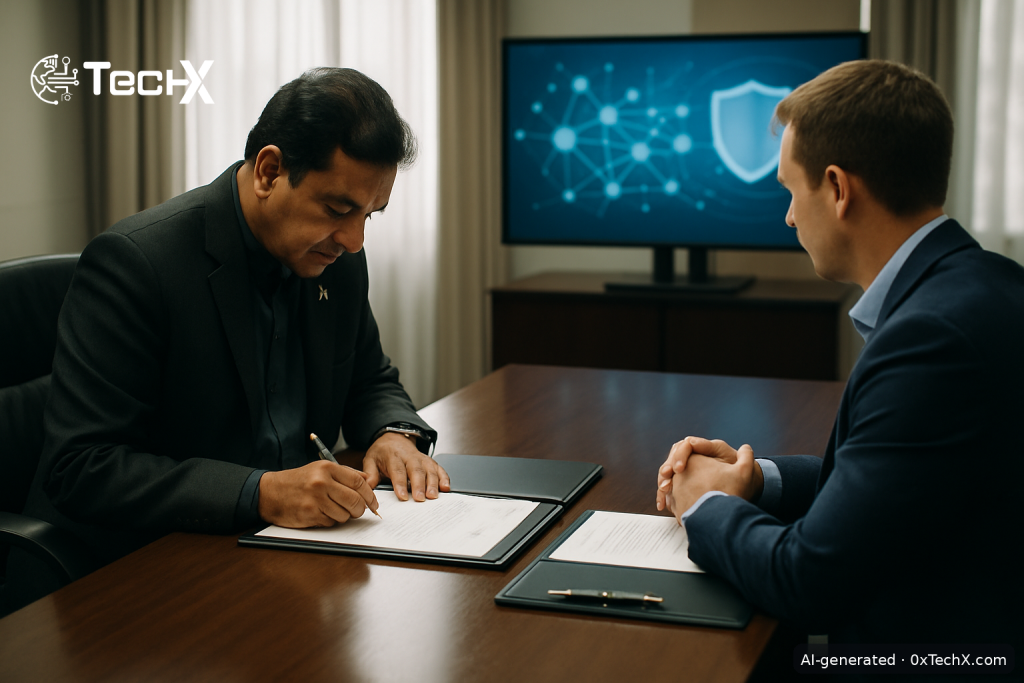
PTA online content governance just got a significant boost. Pakistan’s telecom regulator, the Pakistan Telecommunication Authority (PTA), and global tech giant Meta have signed a formal Letter of Intent (LoI) to build a structured framework for promoting youth online safety, improving digital literacy, and strengthening content regulation across Pakistan’s social media landscape.
What the PTA and Meta LoI Actually Covers
The PTA and Meta signed the LoI to establish a collaborative framework for promoting youth online safety, digital literacy, and the responsible use of digital platforms in Pakistan. This is not just a symbolic handshake. The agreement establishes a structured platform for strategic cooperation, joint capacity building, and constructive policy dialogue between the national telecom regulator and Meta.
Under the collaboration, PTA and Meta will work together on capacity building, policy dialogue, awareness campaigns, and the exchange of global best practices related to youth online safety and digital well-being. In plain terms, this means both sides will share knowledge, train staff, and run public campaigns so ordinary users, especially young people, know how to stay safe on Facebook, Instagram, and WhatsApp.
The collaboration will also facilitate engagement on online content governance, regulatory compliance, and initiatives aimed at strengthening digital safety across Pakistan. This is the part that matters most for social media platforms operating in the country. Meta will now have a direct line to the regulator, and vice versa, making content removal and compliance faster and more formal.
Why PTA Online Content Governance Is Moving So Fast in 2026
This LoI did not come out of nowhere. It is part of a bigger push by the PTA to work directly with all major platforms. The PTA has blocked 88,035 URLs containing unlawful online content while expanding cooperation with leading global technology companies, including Meta, TikTok, X, Google, and Telegram, to accelerate the identification and removal of illegal and harmful content.
The PTA said the enhanced collaboration has resulted in improved content moderation processes, implementation of API-based compliance systems, establishment of priority escalation channels, and faster removal of terrorism-related and other unlawful material. So the shift is real and technical, not just on paper.
The largest share of blocked web addresses related to content categorised under decency and morality, followed by material associated with anti-state activities, national security, hate speech, and sectarianism. That gives you a clear picture of what the regulator is targeting most.
Separately, the collaboration would also support open and constructive dialogue to foster a shared understanding of content safety practices in Pakistan. This dialogue piece is new. Until now, most platform-regulator interaction in Pakistan was reactive, triggered by specific complaints or blocking orders. A standing framework changes how quickly both sides can respond.
What This Means for Pakistani Users and Creators
Most news reports focus on the regulatory angle. But what does this actually mean for you if you use Facebook, Instagram, or WhatsApp every day?
- Faster content removal: By introducing enhanced compliance mechanisms and dedicated communication channels with major digital platforms, the regulator aims to facilitate faster responses to requests for the removal of unlawful online content. If something harmful is reported, the expectation is that it goes down much quicker than before.
- Youth-focused protection: Under this partnership, both organizations will take targeted initiatives to address online safety challenges, enhance online content protection, and safeguard youth from digital risks. Parents and teachers in Pakistan should watch for awareness campaigns coming out of this deal.
- Impact on creators and businesses: Regular users who share verified content and follow platform rules should be mostly fine. The biggest impact will be on creators and businesses with large audiences. If you run a large Facebook page or Instagram account in Pakistan, stricter compliance standards are coming.
For context on how content rules on one specific platform have already stirred debate, read our earlier breakdown on the TikTok Live ban in Pakistan, which showed how PTA decisions can affect creators in ways that are often misunderstood.
SMPRA and the Broader Regulatory Picture
The Meta LoI is one piece of a larger puzzle. Pakistan also launched a new dedicated body this year. The Social Media Platform Regulatory Authority (SMPRA) was officially established in early 2026, with Ayaz Shaukat, former Advocate General of Islamabad, appointed as its first chairman. SMPRA will coordinate with regulatory bodies including the PTA to address cybersecurity challenges, and will focus on drafting content moderation policies, registration requirements for social media platforms, and penalties for non-compliance.
This means Pakistan now has two bodies working on the problem at the same time. The PTA handles telecom-level enforcement and platform partnerships. SMPRA is building the rules that platforms must follow to operate legally. The two are expected to work together, not separately.
This also connects directly to Pakistan’s new data rules. The country’s data governance policy released in 2026 sets out fresh rules for how data from Pakistani users should be handled by AI systems and online platforms, adding another layer of compliance pressure on companies like Meta.
Will Social Media Platforms Actually Comply?
This is the question most coverage misses. An LoI is a statement of intent, not a binding legal contract. Real teeth come from the regulations SMPRA is now drafting, and from PTA’s existing enforcement powers. The difference in 2026 is that the PTA is not just sending blocking requests and hoping for the best. Closer coordination with international technology companies has improved the efficiency of content moderation and regulatory enforcement.
Meta, for its part, has been more active in Pakistan this year than at any previous point. Earlier in 2026, PTA partnered with Meta to roll out a new security mechanism designed to prevent hacking incidents on WhatsApp, introducing a dual One-Time Password system to safeguard user accounts from unauthorized access. That kind of product-level change shows Meta is willing to move beyond just talking.
PTA Chairman Maj Gen (R) Hafeez ur Rehman said the authority aims to promote digital literacy, encourage responsible online behaviour, and foster a safer and more secure digital environment for the people of Pakistan, particularly children and young users.
Frequently Asked Questions
What did PTA and Meta agree to in this deal?
PTA and Meta signed a formal Letter of Intent focused on promoting online safety, digital well-being, and protective measures for children and young users in Pakistan. The deal covers joint awareness campaigns, capacity building, policy dialogue, and engagement on content compliance.
How does this affect PTA online content governance going forward?
The collaboration will facilitate engagement on online content governance, regulatory compliance, and initiatives aimed at strengthening digital safety across Pakistan. It gives both sides a formal, ongoing channel to work together, replacing ad-hoc requests with a structured process.
What types of content does PTA currently block in Pakistan?
PTA blocked a total of 88,035 URLs hosting prohibited online content. The largest share related to content categorised under decency and morality, followed by anti-state activities, national security, hate speech, and sectarianism.
Is Pakistan’s new Social Media Authority (SMPRA) separate from PTA?
Yes, SMPRA is a separate body established in early 2026 to focus specifically on social media platform regulation. SMPRA will coordinate with the PTA to address cybersecurity challenges and issues related to the digital economy, so the two will work in parallel rather than replace each other.