
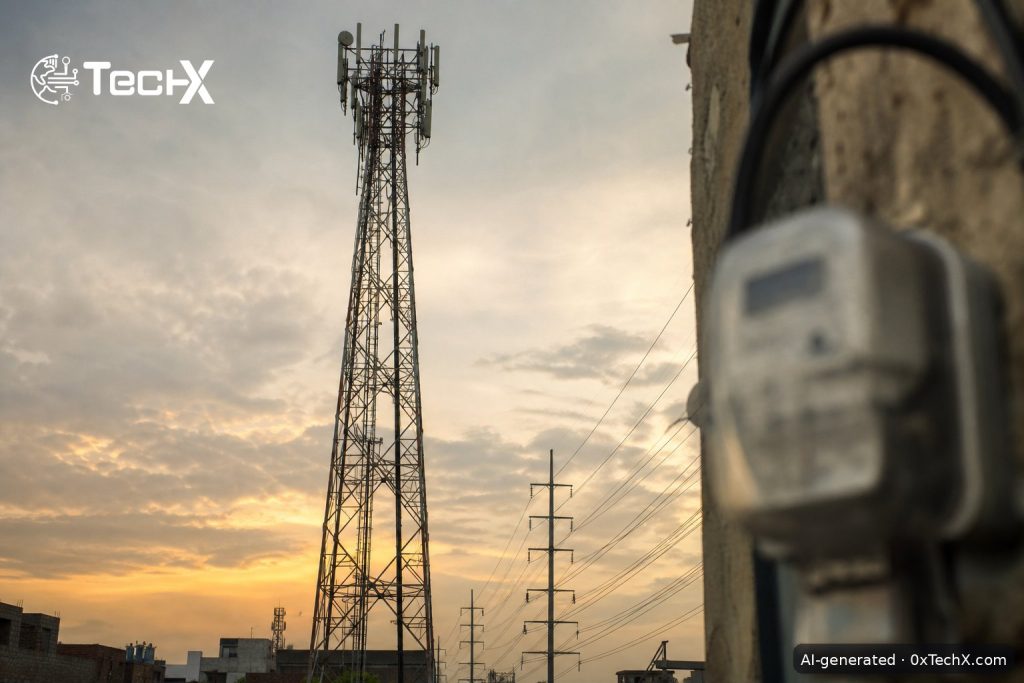
The telecom power tariff debate in Pakistan has reached its most decisive point yet. Prime Minister Shehbaz Sharif has directed a special task force to finalise recommendations for giving licensed telecom infrastructure access to cheaper industrial electricity rates, a move that could reshape how mobile networks are built and priced across the country.
Why the Telecom Power Tariff Issue Matters Now
Running a mobile network in Pakistan is expensive, and electricity is a big part of that cost. Major telecom operators have argued that rising power costs are undermining investment in 5G networks, fibre connectivity, and AI-ready data centres, saying the continued use of commercial electricity tariffs is becoming increasingly unsustainable as power consumption grows with new technology.
According to operators, the gap between commercial and industrial electricity rates directly affects the viability of investments that the government has encouraged under its Digital Nation Pakistan vision. In simple terms: if a tower costs more to run, the operator either cuts corners on quality or passes the cost to users through higher data and call rates.
There is also a legal angle most coverage has missed. Telecom operators argue that classifying telecommunications as an industrial undertaking is supported by existing policy and law, pointing to the Finance Act 2021, which amended Section 2(29C) of the Income Tax Ordinance to expressly include PTA-licensed telecom operators within the definition of an industrial undertaking for tax purposes. If they already qualify as industry for tax, the argument goes, they should qualify for industrial electricity rates too.
How the Task Force on Telecom Power Tariff Was Set Up
A task force headed by the Secretary of the Ministry of Information Technology and Telecommunication was established on June 29, 2026, to examine industrial power tariffs, smart grid solutions, and dedicated electricity feeders for telecom infrastructure. The task force includes the Pakistan Telecommunication Authority (PTA), Power Division, National Electric Power Regulatory Authority (NEPRA), telecom operators, electricity distribution companies (DISCOs), and other relevant officials.
Telecom operators have provided the task force with nationwide data on the number of telecom sites, their electricity consumption, and overall power expenses, as the government works on a mechanism to extend industrial electricity rates to the industry. The submissions also cover load-shedding impact, network disruptions, diesel expenses, and backup power arrangements. This data gives the task force a real picture of what it costs to keep a tower running when the grid fails.
What PM’s Direction Changes
Prime Minister Shehbaz Sharif has now directed the task force to finalise its recommendations for extending industrial electricity tariffs to telecom infrastructure. The Prime Minister’s Office has asked the task force to consult the Power Division and Finance Division and submit recommendations covering the financial implications and a proposed mechanism to absorb the tariff differential.
This is significant because, until now, the process was stuck in consultation. The PM’s direction sets a clear mandate to move from study to action. However, the final decision will still depend on the task force’s recommendations and the federal government’s approval.
One rarely mentioned precedent that strengthens the telecom sector’s case: operators have cited a November 2018 NEPRA decision that extended industrial electricity tariffs to dairy and poultry farms as a model for how a non-manufacturing sector can still receive industrial rates when it serves a public interest. If farms qualified, the argument runs, so should digital infrastructure.
Smart Grids and Dedicated Feeders Also on the Table
Cheaper electricity rates are only part of the picture. The task force is also reviewing proposals for smart-grid solutions and dedicated electricity feeders for telecom infrastructure, measures that could reduce network interruptions and dependence on diesel-based backup power.
The Ministry of IT and Telecommunication has proposed that telecom infrastructure be exempted from traditional load-shedding schedules, with dedicated express feeders used to ensure an uninterrupted electricity supply to critical network nodes. This matters for ordinary users in cities and towns that still suffer hours of load-shedding every day. Poor grid supply forces operators to run diesel generators, which is costly and often leads to weaker signals and dropped calls.
For more context on how Pakistan’s telecom sector is evolving, see our earlier piece on the Jazz AI data centre pitch to SIFC, which shows how operators are already thinking beyond connectivity into infrastructure that needs reliable, affordable power around the clock.
What Operators Have Promised in Return
Telecom operators have pledged to reinvest the resulting savings in 5G expansion, rural connectivity, and fibre infrastructure, saying the proposed changes would support Pakistan’s digital economy and the government’s Digital Nation Pakistan vision.
Alternatively, operators have proposed creating a dedicated Digital and Telecom Infrastructure consumer category under the existing tariff framework, which would give the government a cleaner way to extend relief without rewriting the entire electricity pricing rulebook.
Pakistan now has 5G live in multiple cities and 163 million mobile broadband subscribers as of September 2026. Keeping that network running and expanding it needs both investment and affordable running costs. The telecom power tariff question sits right at the centre of that challenge. You can read more about how Pakistan regulates connected infrastructure in our article on PTA IoT licensing rules, which shows the regulatory direction the sector is heading in.
The Hurdle Nobody Is Talking About
There is a complication that most coverage has not addressed directly. Although the telecom sector has been officially declared an industry, telecom operators have so far been unable to benefit from industrial electricity tariffs, with the issue remaining entangled in litigation with NEPRA for several years. On top of that, Pakistan’s ongoing IMF programme places strict conditions on Pakistan’s power sector subsidies and circular debt. Any sector-specific tariff relief will need to show that it does not add to circular debt or violate programme conditions, which is why the Finance Division is being brought into the consultations.
The task force’s job is not just to recommend a lower rate. It has to design a mechanism that keeps NEPRA and distribution companies whole, satisfies PTA‘s sector goals, and does not blow a hole in the power sector’s finances. That is a complicated balancing act, and it explains why this process has taken most of 2026 to get this far.
Frequently Asked Questions
What is the difference between a commercial and an industrial electricity tariff in Pakistan?
Commercial electricity tariffs are charged to shops, offices, and service businesses at a higher rate. Industrial tariffs are lower rates set for factories and production units, recognising that reliable, affordable power is key to running large-scale operations. The telecom power tariff debate is about which of these two categories mobile towers and telecom infrastructure should fall under.
How would cheaper electricity for telcos affect ordinary mobile users?
Lower electricity costs reduce what operators spend just to keep their towers on. That money could go towards better network quality, faster 5G rollout in cities and rural areas, and potentially lower data prices over time. It could also reduce service disruptions caused by load-shedding, since operators would have more funds to invest in backup power and dedicated feeders.
Why has this taken so long if telecom is already classified as industry?
Being classified as an industrial undertaking for tax purposes does not automatically change how NEPRA bills you for electricity. NEPRA has its own tariff categories, and changing them requires a formal process, financial impact assessment, and approval. The issue has remained entangled in litigation with NEPRA for several years, which is why the government formed a dedicated task force to work through the mechanics and finally push for a resolution.
What happens next after the task force submits its recommendations?
The final decision will depend on the task force’s recommendations and the federal government’s approval. Once recommendations are submitted, the Finance Division and Power Division will review the financial impact, NEPRA would need to approve any tariff category change, and the government would then announce a formal policy. Given the PM’s direct involvement, the process is likely to move faster than it has in the past.