
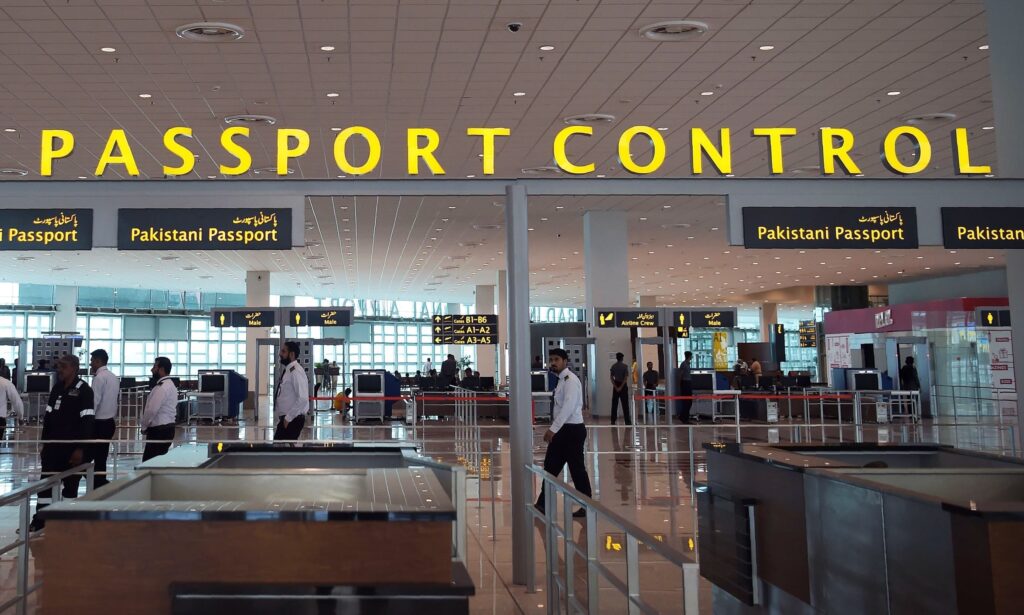
In an effort to stop the poliovirus from spreading, the WHO has recommended a restriction on Pakistani nationals leaving the country without proof of polio immunization.
The situation involving wild poliovirus (WPV1) and circulating vaccine-derived polioviruses (cVDPV) was thoroughly reviewed at the 36th Meeting of the Polio IHR Emergency Committee in the context of the global eradication target for WPV and the cessation of cVDPV2 outbreaks by the end of 2023.
Pakistanis limited mobility
Due to its most recent WPV1 discovery on July 23, 2023, Pakistan is in the limelight in light of the most current recommendations. The nation has been noted as having a potential risk of poliovirus spreading internationally, along with others including Afghanistan, Malawi, Mozambique, Madagascar, Congo, and the Democratic Republic of the Congo.
The WHO encourages nations with poliovirus detections to declare poliovirus transmission interruption as a national public health emergency in order to reduce this danger. At the level of the head of state or government, this should be done. If such a declaration has already been made, the emergency status should be maintained until it is determined that the eradication reaction is no longer required.


Implementing limits on overseas travel for Pakistani citizens who lack sufficient evidence of polio immunization is one of the most important steps suggested by the WHO.
No matter whether they are traveling by car, air, or sea, all overseas travelers leaving Pakistan are subject to this ban. This action strives to guarantee that people who might potentially transport the virus outside of the country are fully immunized and do not aid in the poliovirus’s spread in other areas.
To read our article about “PTA received over 13,000 complaints in July against Telcos” click here,