
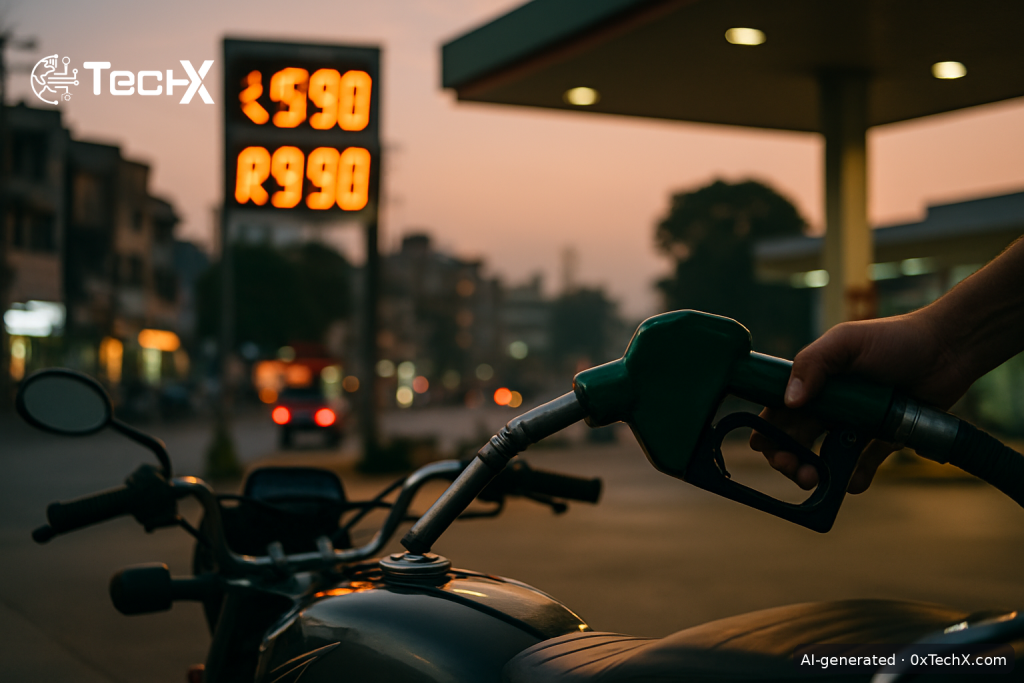
The Pakistan petrol price climbed to Rs316.15 per litre on July 18, 2026, while high-speed diesel (HSD) jumped to Rs354.35 per litre, and this time, the increase comes with a bigger structural change: the government is scrapping the weekly revision system and moving to daily fuel pricing under OGRA.
The increase is effective for only three days, from July 18 to July 20. After that, OGRA’s new daily pricing mechanism takes over, meaning pump prices could change every single day based on international market movements.
New Pakistan Petrol Price and Diesel Rate From July 18
The latest increase follows the July 10 revision, when the government raised petrol by Rs13.18 to Rs310.71 per litre and HSD by Rs13.80 to Rs323.30 per litre. In just one week, petrol has gone up by a further Rs5.44 and diesel by a steep Rs31.05. The diesel jump is particularly sharp because global HSD benchmarks have surged faster than petrol in the current crisis.
- Petrol (Motor Spirit): Rs316.15 per litre
- High-Speed Diesel (HSD): Rs354.35 per litre
- Effective dates: July 18 to July 20, 2026
Pakistan determines domestic fuel prices under an Import Parity Pricing mechanism, which links ex-refinery prices to international Platts assessments in the Arab Gulf market. These benchmark prices are adjusted for premiums, freight, insurance, port-handling and exchange-rate movements before ex-refinery prices are finalised. The government then adds the petroleum levy, inland freight equalisation margin, oil marketing company margins, and dealer commission to get the final pump price.
Why Has the Pakistan Petrol Price Gone Up So Sharply in 2026?
The federal government linked the latest increase to renewed escalation in the region following the recent exchange of strikes between the United States and Iran. Pakistan imports nearly all of its refined petroleum, so any spike in global crude prices flows directly to the pump.
To understand how far prices have moved, look at the trajectory this year. The March 7 revision was the most significant single-day adjustment in Pakistan’s history, both petrol and diesel were increased by Rs55 per litre, driven by the Middle East geopolitical crisis and disruption of shipping lanes through the Strait of Hormuz, as Brent crude surged 50 to 70 percent in under two months.
Prices then kept climbing. Petrol peaked at Rs458.41 per litre and HSD at Rs520.35 per litre on April 3, 2026, before gradually coming down as some tensions eased. The current rates of Rs316 and Rs354 are still well above where Pakistan started 2026, but they show the market has partially cooled from those April highs. The latest spike, however, signals the conflict is flaring up again.
Officials said the government considered reducing the petroleum levy to partially offset the impact of higher international prices and provide some relief to consumers. Petroleum Minister Ali Pervaiz Malik clarified that Pakistan was required under international agreements to maintain such levies to support the budget, and that the combined petroleum levy and carbon support levy on petrol remained lower than their level before the conflict began.
What the Switch to OGRA Daily Pricing Means
The bigger shift happening alongside this hike is structural. The government has decided to introduce greater transparency in the petroleum pricing mechanism by authorising OGRA to determine prices of petroleum products on a daily basis, a decision taken by Prime Minister Shehbaz Sharif and the federal cabinet to ensure transparency without exposing the state to financial risk.
Daily petroleum prices will be determined on the basis of the average Platts price over seven working days. Under the new mechanism, increases and decreases in international prices will automatically be reflected in domestic prices without requiring government intervention.
OGRA will not only announce prices every day but will also explain how retail fuel prices are calculated, including the impact of international oil prices, taxes, levies, freight costs, and other components. This transparency is new. Previously, consumers were only told the final number.
Information Minister Atta Tarar defended the decision, saying the previous weekly system often resulted in consumers facing large price hikes, or delayed relief when global oil prices declined. He said the only way to pass on relief immediately is through daily price adjustments.
The Practical Problem for Petrol Pump Owners
Not everyone is happy. Petrol dealers have questioned how daily pricing would work in practice, noting that fuel transported from Karachi can take at least three days to reach many parts of the country, and argue that matching daily retail prices with fuel purchased days earlier could become financially unsustainable.
The All Pakistan Petrol Pump Owners Association rejected the deregulation policy and warned it would consider launching protests and a nationwide strike next week if the decision was not withdrawn. The association’s chairman urged the government to review its policy and demanded that all stakeholders be taken into confidence before oil marketing companies finalised fuel prices under the proposed mechanism. Around 15,000 petrol pump owners across the country have expressed serious reservations over the policy.
This is the key practical gap most coverage skips over. A pump in Lahore or Quetta receives fuel loaded in Karachi several days ago at a different price. If OGRA sets a lower price tomorrow, the pump owner absorbs the loss. If prices rise, consumers pay more for old stock. Daily pricing solves the consumer frustration of delayed relief, but it shifts the inventory risk down to the pump level.
How This Affects Everyday Pakistanis
Petrol directly affects anyone who owns a car, motorcycle, or auto-rickshaw. Higher fuel prices increase transport, production, food, and goods costs, making petrol a major factor in headline inflation. Diesel matters even more for the broader economy because it powers heavy trucks, public buses, agriculture machinery, and large generators. A Rs31 jump in diesel in one week will work its way into freight rates and food prices within days.
The expected hike also triggered reports of diesel hoarding in parts of the country, with some filling stations facing temporary shortages despite officials maintaining that national petroleum stocks remain adequate. Prime Minister Shehbaz Sharif has directed the FIA, Intelligence Bureau, and other law enforcement agencies to take strict action against anyone involved in profiteering in the oil sector.
For now, the three-day window until July 20 gives the market a short buffer before the daily pricing era formally begins. Whether OGRA can publish clear, daily breakdowns in a way that builds public trust, and whether pump owners can adapt their logistics, will determine if the new system actually delivers the promised transparency.
Frequently Asked Questions
What is the Pakistan petrol price from July 18, 2026?
The Pakistan petrol price is Rs316.15 per litre effective July 18, 2026. High-speed diesel (HSD) is Rs354.35 per litre. These rates are valid until July 20, after which OGRA will set prices on a daily basis.
Why did diesel go up more than petrol this time?
HSD rose by Rs31.05 per litre, far more than the Rs5.44 petrol increase, because international diesel benchmarks (tracked via Platts Arab Gulf assessments) surged more sharply than petrol benchmarks during the latest round of US-Iran hostilities. Pakistan imports both products, so global price gaps translate directly to the pump.
What is OGRA daily fuel pricing and how does it work?
OGRA will announce prices every day and also explain how retail fuel prices are calculated, including the impact of international oil prices, taxes, levies, freight costs, and other components. The daily price will be based on a rolling seven-working-day average of Platts benchmark rates, so it smooths out single-day spikes rather than locking in one extreme day’s price for a whole week.
Will the Pakistan petrol price go down soon?
It depends entirely on global crude oil markets and the rupee-dollar rate. If US-Iran tensions ease and crude prices fall, daily pricing means relief would reach consumers faster than before. But if hostilities continue or the rupee weakens, prices could stay elevated or rise further. The government retains control over the petroleum levy, which it can reduce to cushion consumers if needed.