
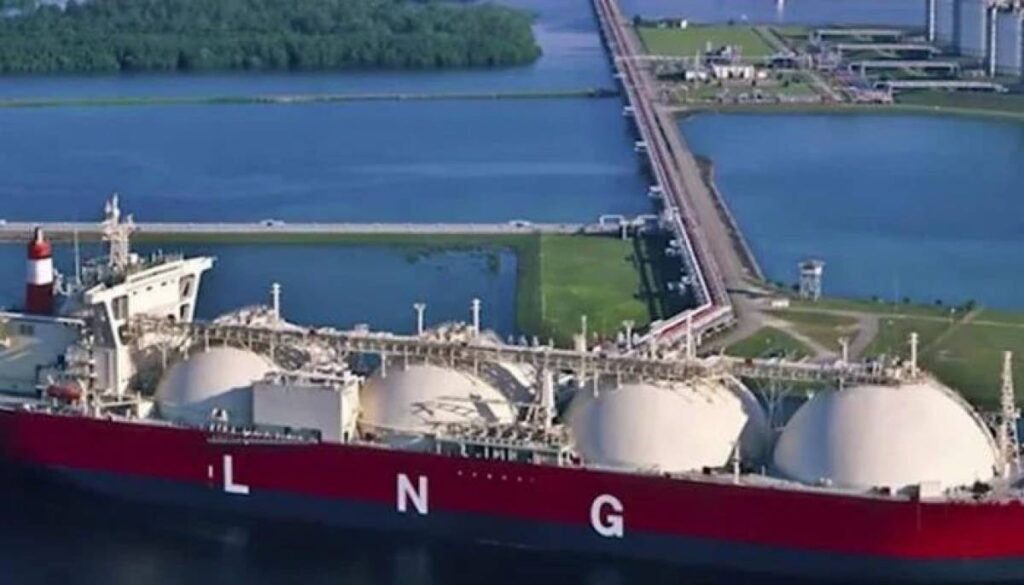
Two LNG power plants that were on the government’s active privatization list four years ago to raise $1.5 billion have been quietly removed from the public domain.
This was done to avoid a sovereign default by selling these assets to Qatar.
This occurred two days after the government formed a new cabinet committee to expedite the sale of state assets.
This committee will be able to sell the 2460 MW LNG-powered power plants to a foreign buyer.
According to sources, the Privatization Commission Board (PCB) called a meeting on Thursday to remove the plants from the privatization programme.
Abid Hussain, the Minister for Privatisation and Chairman of the Board, was unable to attend the meeting in person because he was out of town.
Typically, the PCB issues press statements following board meetings. However, there was no statement this time, presumably to keep the matter private.
The secretary of Privatisation and the minister of privatization did not respond to requests for comment.
The board recommended that power plants be removed from the privatizations list and sent to the Cabinet Committee on Privatization, according to sources.
These were the two most valuable assets on the list of potential privatizations candidates. The existence of a Privatisation Minister or a Privatisation Commission is now in doubt as a result of this development.
The previous PTI government put both power plants on the active list of privatisations in an attempt to raise approximately $1.5 billion for budget funding.
Over the last four years, it has been unable to address the issues or raise Rs. 103 billion in new debt. The government intends to retire its equity in this manner.
During the PML-reign, N’s government funds were used to fund these plants.
Instead of the 70:30 debt-to-equity ratio allowed in NEPRA’s tariff for NPPMCL’s power plants, they are now owned by the National Power Park Management Company Private Limited (NPPMCL).
According to sources, the PM’s office informed the board that the plants should be removed from the list under the Intergovernmental Commercial Transaction Act of 2020.
Instead of going through the lengthy and time-consuming process required by the 2000 Privatisation Ordinance, the 2022 law allows for direct sales of assets to foreign countries.
However, the lengthy process ensures transparency. Because the government will make the final decision without any competition, direct sale arrangements may raise concerns about transparency.
According to one source, Qatar will only sell 30% of its equity. Price discovery will be based on known factors, reducing discretion.
To read our blog on “PM: July LNG tender was canceled to protect Forex Reserves,” click here