
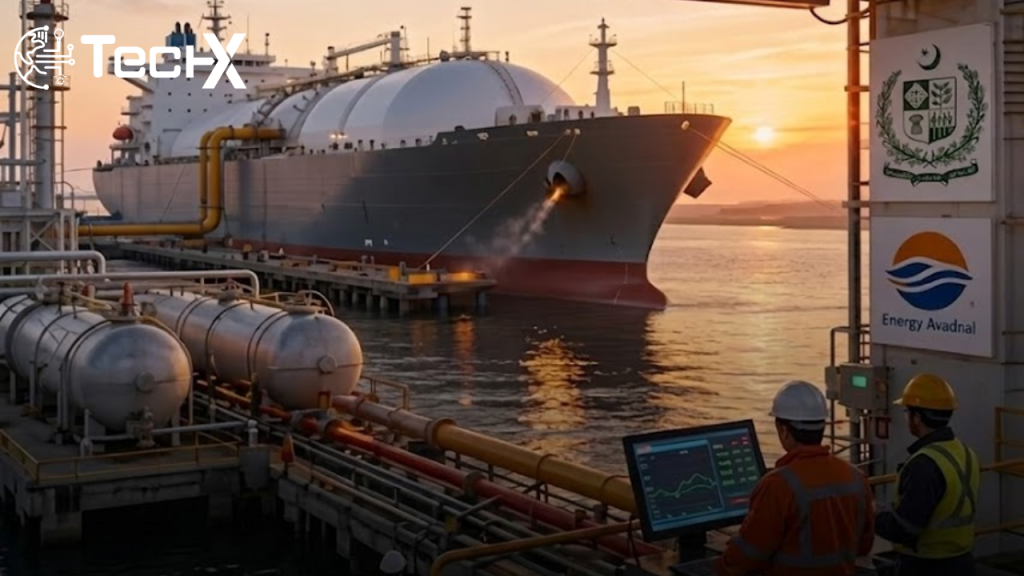
To combat a worsening electricity crisis, Pakistan LNG Limited (PLL) has secured three emergency Liquefied Natural Gas (LNG) cargoes from the international spot market. This move comes after several shipments from long-term contracts with Qatar were disrupted. This marks Pakistan’s first major return to the spot market in over two years, signaling an urgent need to stabilize the national grid during peak summer demand.
Price Surge and Financial Implications
The price of these emergency cargoes is approximately 140% higher than the rates locked in under long-term agreements. While long-term contracts usually cost between $7 and $9 per mmBtu, these spot purchases were finalized at prices ranging from $17.99 to $18.88 per mmBtu. This massive price gap is expected to place an immense strain on the national exchequer and will likely lead to higher electricity tariffs for consumers in the coming months.
Power Shortfall and Grid Stability
As temperatures soar across the country, the demand for electricity has outpaced supply, resulting in a significant shortfall of 4,500MW. This gap has forced power distribution companies to implement long hours of load-shedding, ranging from 6 to 12 hours depending on the region. The procurement of these three cargoes is a strategic move to restart idle power plants and reduce the duration of power outages for the public.
Impact of the Strait of Hormuz Conflict
The primary driver behind this energy emergency is the regional tension surrounding the Strait of Hormuz. The closure or restricted movement through this vital maritime route has prevented Qatar-contracted LNG vessels from reaching Pakistani ports. With local fuel stocks depleted and contract deliveries delayed for security reasons, the government was left with no choice but to seek immediate, albeit expensive, supplies from alternative international bidders.
Operational Challenges for RLNG Power Plants
Major high-efficiency power plants in Punjab, such as Bhikki, Haveli Bahadur Shah, and Balloki, rely entirely on Re-gasified Liquefied Natural Gas (RLNG). These plants have a combined capacity of nearly 6,000MW. Without a steady supply of gas, these plants are either forced to shut down or operate on High-Speed Diesel (HSD), which is far more expensive and less efficient than even the highest-priced LNG.
Future Outlook and Consumer Impact
The cost of these “panic purchases” will eventually be passed on to the end-user through Fuel Cost Adjustments (FCA) on monthly electricity bills. While these cargoes provide temporary relief until mid-May, the long-term solution depends on the stabilization of regional supply routes. If the geopolitical situation persists, Pakistan may face a difficult summer characterized by a choice between record-high electricity prices or extended power blackouts.