
Neptune Robotics creates devices to clear the dirt off the front of ships – think of it as a huge, vertical, submersible Roomba.
The company’s technology has already been used in a number of ports in Hong Kong, as well as in China, including Guangzhou, Yantian, and Shekou.
The device is renowned for its capacity to navigate through murky waters, ensuring that it scrapes places below the water’s surface. So far, the method has been utilised to clean more than 100 ships.
Today, the firm announced $17.25 million in investment as it expands its technology to more of the world’s top ten ports.
China remains the primary priority (because to proximity and amount of container ships), with intentions to expand to a bigger footprint in Asia, followed by Europe and the United States.
Sequoia The financing was headed by China, with participation from Matrix Partners China and SOSV.
“We were instantly impressed with their focus and commitment to tackle emissions in maritime logistics – an area typically ignored in the climate tech field,” said SOSV’s Duncan Turner in a statement. “Unlike many other climate tech startups, Neptune can make a significant climate effect right away (and has already begun).”
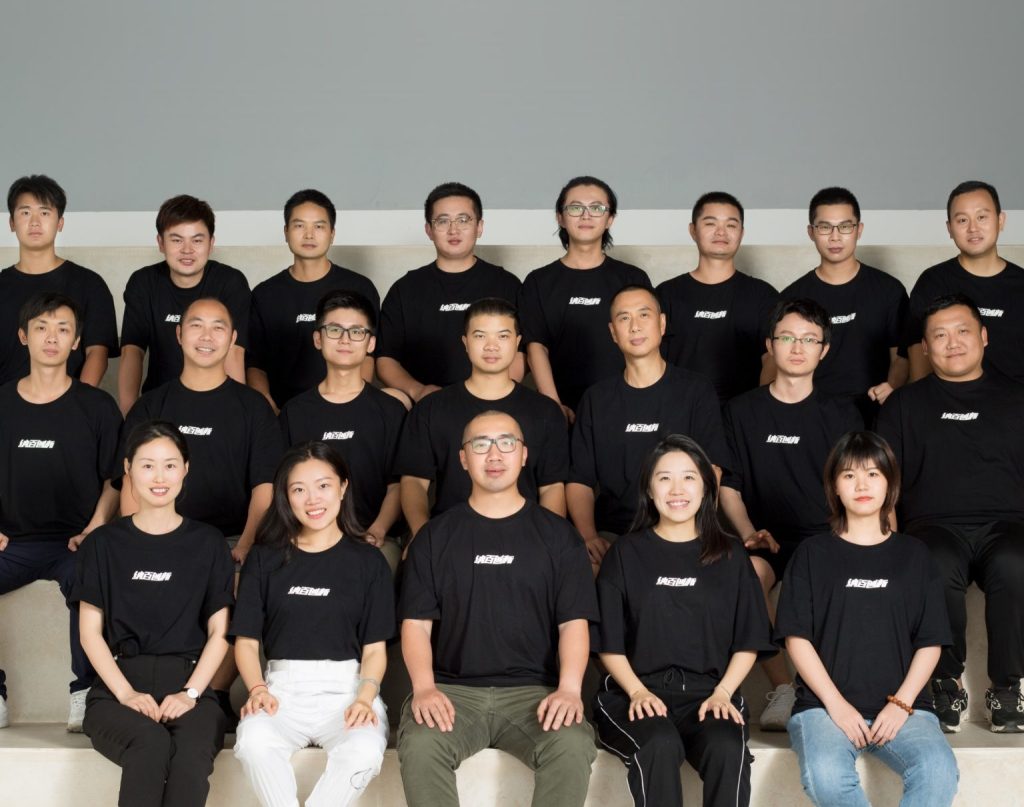
The investment will be used to increase the company’s headcount, among other things. “We started with three in November 2018, expanded to 18 in 2020, and now [we’re] at 60,” says co-founder and CEO Elizabeth Chan to sources. “A portion of the funds will go toward attracting engineering talent, industry specialists, and marine scientists.”
We plan to grow Neptune’s robotic products, expand into other ports, and boost our clients’ fuel economy in an environmentally friendly manner with a staff of roughly 120 in 2023. A broad port coverage is required to effectively service our customers in the marine industry.”
The systems may clean the hull both above and below the water, utilising a cavitational waterjet system that eliminates biofouling without hurting the ship’s surface.
The system is being monetized by the firm using a RaaS (robotics-as-a-service) approach. Currently, operations necessitate the presence of many Neptune personnel on-site.
“A Neptune operating crew of four is currently on site while in service,” explains Chan. “They are on site to help the robot’s semi-automated algorithm, deliver live updates to shipowners, and do cleaning system operating duties.”
We plan to lower the amount to one for port operations and two for anchorage operations in the next 12-16 months.”
To read our blog on “‘Humans don’t make as good bipedal robots as birds,” click here.