
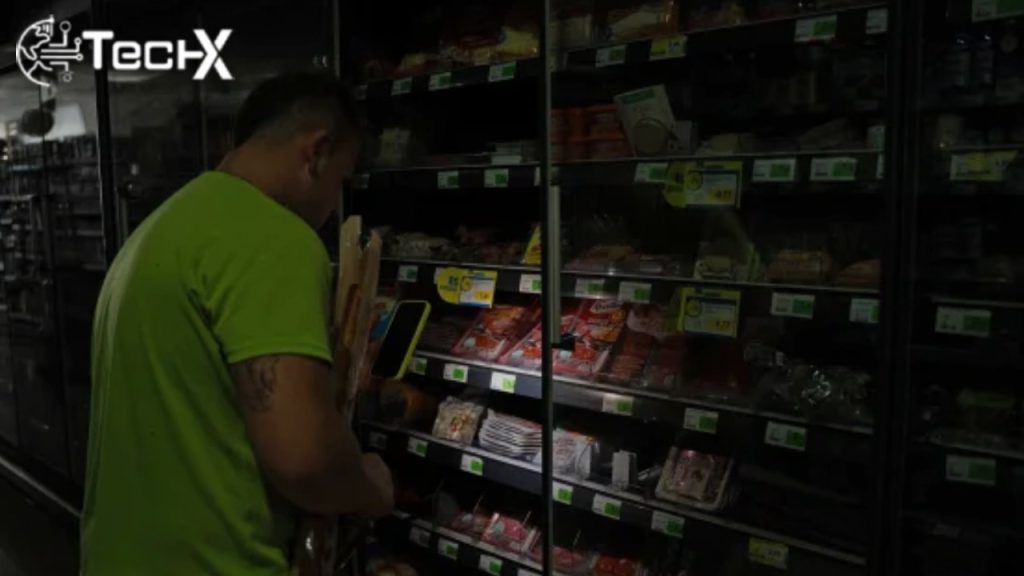
Power started returning to parts of Spain and Portugal late Monday after a massive outage disrupted daily life. Flights were grounded, public transport halted, and hospitals suspended non-emergency procedures. Spain’s Interior Ministry declared a national emergency, deploying 30,000 police officers to maintain order. Both governments held emergency cabinet meetings as technicians worked to restore electricity.
Conflicting Theories on the Cause of the Outage
The cause of the blackout remained unclear, with Portugal suggesting it originated in Spain, while Spain blamed a disconnection from France. Portuguese Prime Minister Luis Montenegro dismissed cyberattack rumors. Spanish Prime Minister Pedro Sánchez reported a sudden loss of 15GW—60% of national demand—within seconds. Technicians are investigating the unprecedented drop, which triggered a cascade failure across the Iberian Peninsula.
Grid Operators Investigate Voltage Oscillations
João Conceição of Portugal’s REN cited a potential “large voltage oscillation” in Spain’s system that spread to Portugal. Spain’s REE attributed the collapse to a failure in its French interconnection, overwhelming Europe’s grid safeguards. France’s RTE supplied emergency power to northern Spain after a brief outage. Authorities warned that full restoration would take hours as systems were gradually reactivated.
Partial Restoration Amid Ongoing Challenges
By late Monday, 61% of Spain’s power was restored, including Barcelona and parts of Madrid. Portugal recovered 85 of 89 substations. Madrid’s mayor urged residents to stay home as streetlights remained off. Hospitals relied on generators, while shops, metro systems, and refineries shut down. Stranded travelers, including a woman en route to her daughter’s childbirth, faced chaos as trains canceled services.
Also Read: Seven Countries Offering Job Seeker Visas to Pakistanis
Economic and Social Disruptions Across the Region
The blackout paralyzed commerce, with retailers like Lidl and IKEA closing. Supermarkets saw panic-buying, and the Madrid Open tennis tournament was suspended. Traffic jams formed as signals failed, while volunteers directed cars. Internet traffic dropped by 80–90%. Despite backup systems, ATMs and electronic banking faced disruptions. Many Spaniards adapted with candlelit dinners or gatherings in public squares.
Historical Context and Energy Reliance
Europe rarely experiences outages of this scale. Past incidents include Italy’s 2003 blackout and Germany’s 2006 grid failure affecting Morocco. Spain relies on renewables (43%) and nuclear (20%), per Ember. Officials emphasized resilience but acknowledged vulnerabilities in cross-border grid dependencies. Investigations continue as both nations assess long-term solutions to prevent future crises.
Emergency Services and Public Response
Emergency services across Spain and Portugal worked tirelessly to manage the crisis. Hospitals prioritized critical care using backup generators, while police directed traffic in major cities. Authorities urged citizens to conserve energy and avoid non-essential travel. Social media became a key communication tool, with officials providing real-time updates. Despite challenges, communities displayed resilience, with neighbors checking on vulnerable individuals and sharing resources.
Impact on Transportation and Infrastructure
The outage caused severe disruptions to transportation networks. Airports in Madrid, Lisbon, and Barcelona canceled or delayed flights, stranding thousands. Metro systems in Lisbon, Porto, and Madrid shut down, while regional and high-speed trains halted operations. Traffic lights malfunctioned, leading to gridlock in urban centers. Some passengers were evacuated from stalled trains, while others faced long delays. Restoration efforts focused on reactivating critical infrastructure first.
Businesses and Daily Life Disrupted
Businesses of all sizes faced operational challenges. Supermarkets reported empty shelves as shoppers stockpiled essentials. Banks operated on limited services, with ATMs and online transactions affected. Restaurants either closed or relied on cash payments. Offices sent employees home due to a lack of power and internet. The economic toll is still being assessed, but analysts warn of significant short-term losses, particularly for small businesses.
Government and International Coordination
Spanish and Portuguese leaders held urgent talks to coordinate recovery efforts. Prime Minister Pedro Sánchez assured citizens that restoring power was the top priority. NATO confirmed no evidence of a cyberattack but pledged support if needed. The European Commission monitored the situation, offering technical assistance. Energy experts from France and Germany joined investigations to determine the root cause and prevent future failures.
Public Reactions and Adaptation
Citizens shared mixed reactions—some expressed frustration, while others remained calm. In Madrid, impromptu gatherings in parks and plazas became common as people sought alternatives to darkened homes. Families cooked meals using gas stoves or barbecues, and some businesses operated by candlelight. Social media buzzed with humorous posts and solidarity messages, highlighting the community spirit amid adversity.
Long-Term Implications for Energy Policy
The blackout reignited debates over energy security and grid modernization. Experts called for increased investment in resilient infrastructure and decentralized renewable systems. Spain’s heavy reliance on cross-border electricity exchanges raised concerns about dependency risks. Politicians promised reforms to strengthen the grid, but critics demanded faster action. The incident may accelerate Europe’s push for energy independence and smarter power distribution networks.
Lessons from Past Outages
Europe has faced similar crises, including Italy’s 2003 blackout and Germany’s 2006 grid failure. Each event led to regulatory improvements, but vulnerabilities remain. Analysts stress the need for better synchronization between national grids and real-time monitoring systems. The Iberian outage serves as another wake-up call, emphasizing the importance of preparedness in an interconnected energy landscape.
Restoration Progress and Future Steps
By Tuesday morning, 90% of power had been restored in both countries. Authorities warned of possible localized fluctuations as systems stabilized. A full investigation is underway, with preliminary findings expected within weeks. Governments pledged transparency and long-term solutions to prevent recurrence. For now, residents remain cautious but hopeful as normalcy gradually returns to the Iberian Peninsula.