
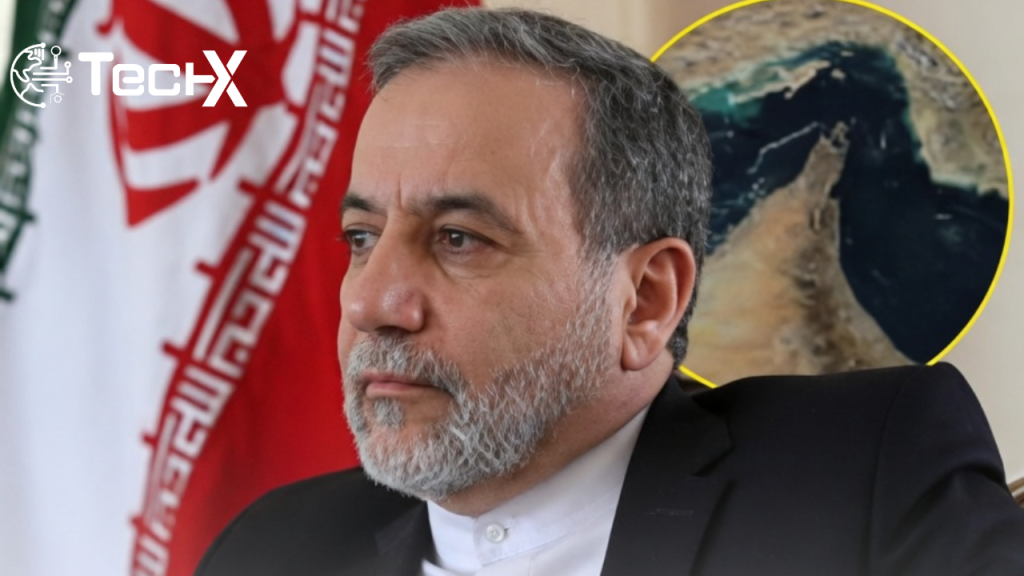
Iran has officially reopened the Strait of Hormuz for commercial vessels as of Friday, April 17, 2026. This critical decision follows a 10-day ceasefire mediated by Pakistan and coincides with a truce between Israel and Hezbollah in Lebanon. While the move offers significant relief to global energy markets, the situation on the ground remains highly regulated and politically tense.
Controlled Maritime Passage
Iran has officially reopened the waterway, but all commercial transit must follow a “coordinated route” established by the Iranian Ports and Maritime Organization. The IRGC (Islamic Revolutionary Guard Corps) Navy is actively monitoring the area, and Iranian officials have clarified that any ship wishing to pass must still obtain authorization. This ensures that while trade resumes, Iran maintains strategic oversight of the corridor.
Impact on Global Energy Markets
The announcement immediately stabilized global energy concerns, causing oil prices to drop by 8-9%. As the Strait handles nearly 20% of the world’s crude oil and liquefied natural gas, the resumption of traffic has averted a worsening global energy crisis. However, shipping companies remain cautious, as hundreds of vessels that were trapped in the Gulf are now navigating a complex queue to exit.
Continued U.S. Naval Blockade
Despite the opening of the Strait, the United States has maintained its separate naval blockade on Iranian-flagged ships and ports. President Trump stated that this blockade will remain in “full force” until a final, 100% complete transaction specifically regarding Iran’s nuclear program is reached. This creates a unique situation where the international waterway is open, but direct Iranian trade is still under heavy American pressure.
Prohibition of Hostile Military Vessels
A strict condition of the reopening is the total ban on “hostile” military vessels. Iranian military officials have confirmed that while civilian and commercial ships are permitted, U.S. and Israeli warships remain prohibited from transiting the Strait. This restriction highlights that the reopening is a humanitarian and economic concession rather than a full military de-escalation.
Fragile Ceasefire and Future Risks
The current status of the Strait is described by international observers as “fragile.” Iranian Parliament Speaker Mohammad Bagher Ghalibaf warned on Saturday, April 18, that the Strait will not remain open if the U.S. continues its economic blockade of Iran. The long-term accessibility of the route now depends on whether the current 10-day truce can be transitioned into a more permanent diplomatic agreement.