
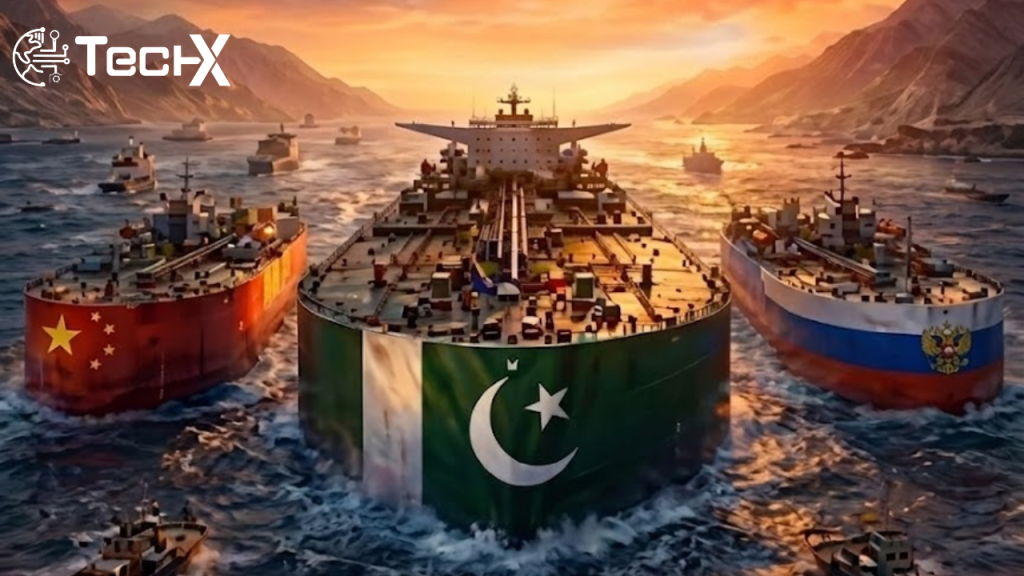
Iran has officially introduced a strategic maritime policy aimed at regulating traffic through the Strait of Hormuz, one of the world’s most vital oil transit points. Under this new directive, the Iranian government intends to levy a “transit and service fee” on foreign commercial vessels passing through the waterway. However, in a significant geopolitical move, Iran has announced that “friendly nations” that maintain strong diplomatic and strategic ties with Tehran will be granted a full exemption from these fees.
Strengthening Strategic Alliances Through Economic Relief
The decision to grant fee exemptions is a deliberate attempt by Iran to reward its strategic partners, such as China and Russia, who have continued to trade with the Islamic Republic despite international pressure. By removing the financial burden of transit tolls for these allies, Iran is not only strengthening its existing partnerships but also incentivizing other nations to align more closely with its regional policies. This “loyalty discount” effectively creates a bifurcated system in the Strait, favoring those who resist Western-led sanctions.
Countering Global Sanctions and US Pressure
Tehran’s move is widely seen as a direct response to the “maximum pressure” campaign and the ongoing U.S. naval blockade. By implementing a fee for some and exemptions for others, Iran is asserting its sovereign control over the Strait of Hormuz as a counter-measure to economic restrictions. The Iranian leadership argues that since it provides security and environmental maintenance for the waterway, it has the legal right to charge those who use it—except for those nations that respect Iran’s regional sovereignty.
Impact on Global Energy Markets and Shipping Costs
The introduction of these fees for non-exempt nations is expected to have a ripple effect on global energy prices. Since approximately 20% to 25% of the world’s total oil consumption passes through this narrow strait, any additional cost imposed on tankers will likely be passed down to the global market. Ships belonging to countries that do not qualify for the exemption will face higher operational costs, potentially leading to a shift in maritime routes or increased inflation in energy-dependent sectors.
Asserting Maritime Sovereignty and Regional Control
Beyond the financial aspect, the exemption policy is a powerful statement of maritime authority. By deciding who pays and who sails for free, the Iranian Revolutionary Guard Corps (IRGC) reinforces its role as the primary regulator of the region’s most critical “choke point.” This policy forces international shipping companies and foreign governments to acknowledge Iranian jurisdiction over the Strait, effectively challenging the U.S. Navy’s historical role as the guarantor of free navigation in the Persian Gulf.