
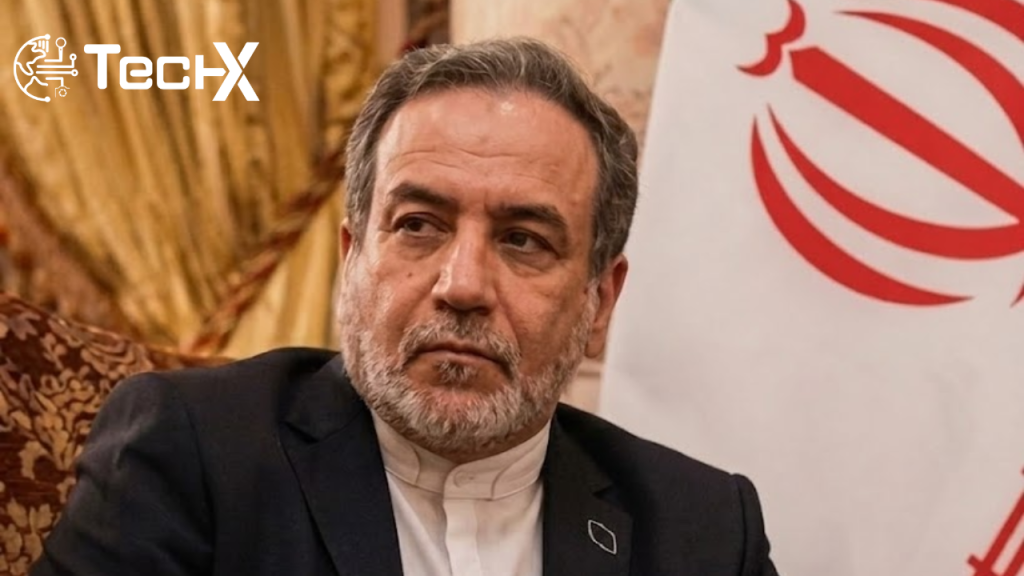
The Iranian Foreign Minister, Abbas Araghchi, is expected to arrive in Islamabad tonight, Friday, April 24, 2026, accompanied by a streamlined diplomatic team. Government sources confirm that this visit is part of an urgent regional outreach aimed at addressing the ongoing tensions in the Persian Gulf and de-escalating the conflict with the United States.
Pakistan Strategic Role as the Lead Mediator
Pakistan has emerged as the central hub for “Back-channel Diplomacy” between Tehran and Washington. Minister Araghchi’s arrival marks the commencement of the second round of peace negotiations hosted by Islamabad.
-
The Facilitator: Pakistan’s Foreign Office is providing the neutral ground required for these high-stakes discussions.
-
US Presence: A specialized American logistics and security delegation is already stationed in the capital to facilitate the direct or indirect exchange of proposals.
Primary Focus: Extending the Temporary Ceasefire
The most critical objective of this visit is to secure an extension of the existing ceasefire. With the current truce set to expire soon, both sides are under immense pressure to prevent a return to full-scale military hostilities. Araghchi’s team is expected to present Iran’s conditions for a prolonged “Strategic Pause” in military activities.
Addressing the Maritime Blockade and Toll Systems
A major point of discussion will be the recent maritime restrictions in the Strait of Hormuz. Following Iran’s implementation of a toll system for foreign vessels and the subsequent U.S. naval response Araghchi is expected to discuss:
-
Energy Corridor Security: Ensuring the safe passage of commercial vessels to stabilize global oil prices.
-
Economic Relief: Seeking a roadmap for the gradual lifting of maritime sanctions that have severely impacted Iran’s trade revenues.
Regional Stability and Humanitarian Cooperation
Beyond the immediate conflict with the U.S., the visit will cover broader regional security concerns. This includes border management with Pakistan and humanitarian gestures, such as the recently reported halting of executions in Iran. These diplomatic maneuvers are seen as essential building blocks to foster trust before a permanent, “everlasting” deal can be finalized between the warring parties.