
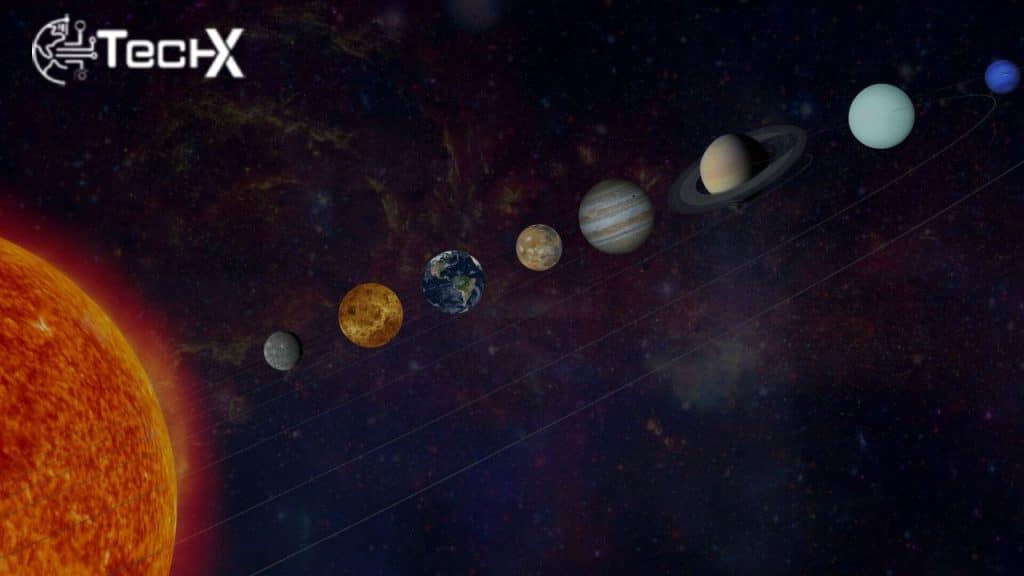
On January 25, 2025, stargazers and astronomers alike will be treated to a rare celestial spectacle: the alignment of all seven planets in our Solar System. This event, where Mercury, Venus, Mars, Jupiter, Saturn, Uranus, and Neptune line up in the night sky, offers a unique opportunity for observation and appreciation of our neighboring planets. Visible from various parts of the world including North America, Mexico, Canada, and India, this alignment promises to captivate audiences around the globe.
The Phenomenon of Planetary Alignment
Planetary alignment occurs when planets appear in a line from the perspective of Earth. Although the planets are actually millions of kilometers apart, they seem to line up due to their orbits around the Sun. The upcoming alignment includes the seven planets visible to the naked eye or with minimal telescopic aid. This arrangement is an infrequent occurrence, making the January 2025 event particularly special.
Viewing Opportunities Across the Globe
The alignment on January 25, 2025, will be best viewed at around 8:30 PM local time, shortly after sunset. This timing allows for a dark enough sky to see the fainter planets, like Uranus and Neptune, while also providing a backdrop for the brighter planets to shine intensely.
- North America: From the open countryside away from city lights, viewers can expect a clear view of the alignment stretching across the southwestern sky.
- Mexico: Ideal locations include higher altitudes where atmospheric interference is minimal, offering a pristine viewing experience.
- Canada: Northern regions will benefit from longer periods of darkness during this time of year, providing extended viewing opportunities.
- India: Clear skies typical of January in many regions will aid in the visibility of this celestial event, particularly in rural areas where light pollution is less prevalent.
Also Read: Pakistan to Regulate Cryptocurrency with 2025 Bill: Sources
Tips for the Best Viewing Experience
For those planning to observe this planetary parade, consider the following tips to enhance your viewing experience:
- Use a Telescope: For the best views, especially of Uranus and Neptune, a medium-sized telescope is recommended. Even a small telescope or a good pair of binoculars can significantly improve the visibility of Mars, Jupiter, and Saturn.
- Find a Dark Spot: Light pollution is a major hindrance to observing celestial phenomena. Locations away from city lights will provide a much clearer view.
- Photography: For photography enthusiasts, using a long exposure setting on a camera mounted on a tripod can help capture this rare alignment. Adding a telescope adapter can also allow for more detailed planetary images.
- Plan Ahead: Check the weather and lunar phase. A clear, moonless night would be ideal for observing and photographing the planets.
Scientific Significance and Educational Impact
While the visual spectacle is undeniably captivating, the alignment also holds significant scientific and educational value. It provides a practical demonstration of the orbital mechanics governing our Solar System. Educational institutions around the world can use this event to spark interest in astronomy among students, arranging observation nights and interactive learning sessions that discuss the Solar System’s dynamics.
Conclusion
The alignment of the Solar System’s seven planets on January 25, 2025, is not just a stunning natural display; it is a reminder of the wonders of the universe that await our exploration. This event encourages us to look up at the stars and contemplate our place in the vast cosmos. Whether you are an amateur stargazer, a seasoned astronomer, or simply a curious onlooker, this celestial alignment promises to be an inspiring phenomenon that should not be missed.