
BPC SmartVista is now at the centre of one of the most significant bank technology upgrades in Pakistan this year. Habib Metropolitan Bank (HABIBMETRO) announced on 11 June 2026 that it has chosen BPC’s SmartVista platform to completely overhaul its card-issuing and transaction-processing infrastructure, a move that signals a wider shift happening across Pakistani commercial banking.
Why HABIBMETRO Chose BPC SmartVista
HABIBMETRO is one of Pakistan’s leading trade-finance banks. For years it ran on older, slower systems, systems that worked for a trade-finance model but were not built for the speed and variety that modern digital banking demands. The bank needed a platform that could grow with rising transaction volumes and meet the rules of international card schemes.
The decision to go with BPC SmartVista was not made lightly. HABIBMETRO had already worked with BPC before, deploying BPC’s Digital Fraud Management System. That project went live in just six months, and the smooth delivery gave the bank’s leadership enough confidence to hand over the far more critical card-issuing business line to the same partner.
HABIBMETRO currently handles more than 3.25 million transactions every single day. That number is set to grow as more Pakistanis move away from cash. The bank needed a platform that would not buckle under that pressure.
What BPC SmartVista Actually Does
SmartVista is a payment technology suite used by more than 400 financial institutions across 140 countries. It covers the full journey of a card payment: issuing, switching, acquiring, fraud management, and digital banking. Think of it as the engine room behind every tap, swipe, and online payment a bank’s customers make.
For HABIBMETRO, the BPC SmartVista rollout will deliver several concrete changes:
- Physical and virtual cards: The bank will launch both new physical debit cards and virtual cards, the kind you add to a phone wallet without needing a plastic card at all.
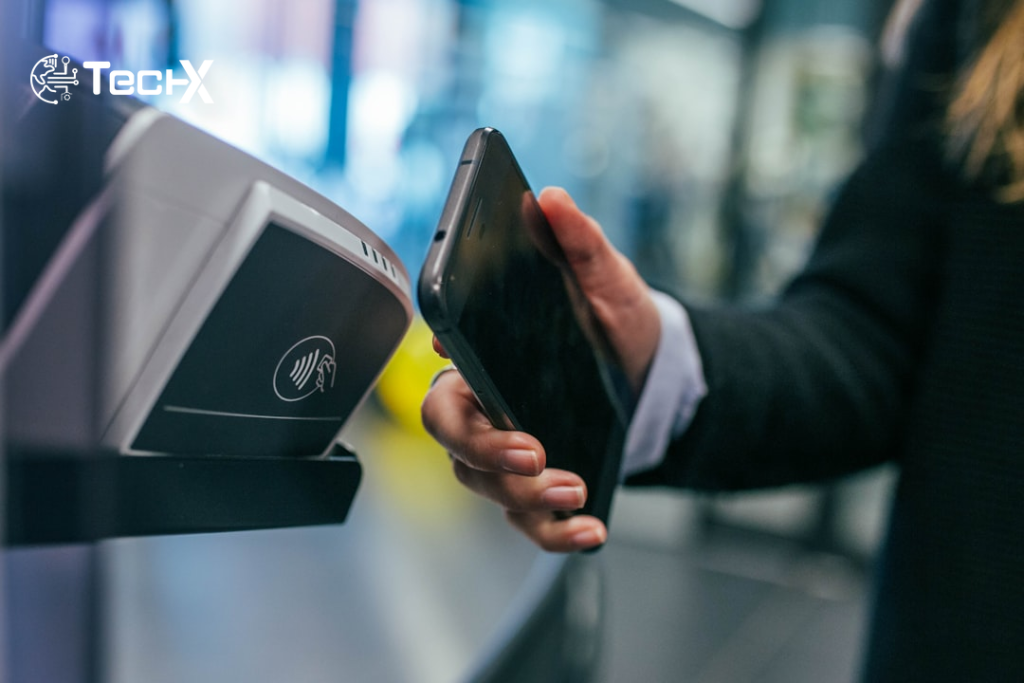
- Google Pay support: HABIBMETRO cardholders will be able to add their cards to Google Pay, making tap-to-pay at supported terminals possible.
- International scheme compliance: The platform will help the bank meet the latest certification rules for Visa, Mastercard, and Pakistan’s own domestic scheme, PayPak, across its ATM and branch POS network.
- Tokenisation: Card details will be converted into secure digital tokens, reducing the risk of fraud when you pay online or via a digital wallet.
- Loyalty programmes: The system will support card-linked reward schemes, something many Pakistani cardholders have long wanted from their banks.
- Fintech and partner connections: Using SmartVista’s integration layer as a payment-specific enterprise bus, HABIBMETRO will be able to connect faster with fintech companies, bill aggregators, and remittance firms.
For the bank’s more than 850,000 cardholders, this means faster transaction speeds, fewer failed payments, and access to a broader set of card features, all running on a modern architecture designed to scale.
The Bigger Picture: Pakistan Banks Under Pressure to Modernise
This upgrade does not happen in isolation. Pakistan’s banking sector is under real regulatory pressure to move away from legacy systems. The State Bank of Pakistan’s Vision 2028 framework sets out a clear goal: build a technologically advanced, inclusive, and digital financial system. Banks that cannot keep pace risk falling behind on compliance and losing customers to faster, more agile digital rivals.
Pakistan has historically been a cash-heavy economy. But that is changing quickly. The country’s retail digital payments have grown sharply in recent years, and banks are being pushed to offer the kind of seamless, app-friendly experience that customers now expect. Older core systems, many built decades ago, simply cannot deliver that without a significant overhaul.
HABIBMETRO’s BPC SmartVista deal is a clear sign of what that overhaul looks like in practice: swap out the slow, inflexible legacy platform for a modern, modular one that can be updated as needs change. Other Pakistani commercial banks watching this deployment will be taking notes.
If you want to understand how digital payments are already reshaping Pakistani consumer habits, our earlier look at Pakistan’s digital payments crossing 92% of retail transactions gives useful background on just how fast this shift is happening.
What This Means for You as a HABIBMETRO Customer
If you bank with HABIBMETRO, you will not need to do anything immediately. Technology migrations like this happen in stages behind the scenes. But over the coming months you should expect:
- Smoother, faster card transactions at ATMs and POS terminals.
- The option to get a virtual card for online and wallet payments.
- Better reliability during peak payment times.
- New loyalty and rewards features linked to your card.
- Easier integration if you use third-party payment apps or remittance services.
BPC SmartVista is deployed in banks across Asia, Africa, and the Middle East, so the platform is well tested in markets similar to Pakistan’s. The technology is not experimental, it is proven at scale.
Frequently Asked Questions
What is BPC SmartVista?
BPC SmartVista is a payment technology platform used by banks and financial institutions worldwide. It handles card issuing, transaction switching, fraud detection, digital banking, and ATM management, all from one integrated system. More than 400 financial institutions across 140 countries use it.
Why did HABIBMETRO upgrade its card system?
HABIBMETRO needed a modern platform that could handle its growing transaction volumes (over 3.25 million per day), support virtual cards and mobile wallets like Google Pay, and meet the latest compliance rules from international card schemes. Its older systems were not built to do all of this at the same time.
Will this affect existing HABIBMETRO cardholders?
Yes, in a positive way. The upgrade is designed to give the bank’s more than 850,000 cardholders faster transactions, virtual card options, loyalty rewards, and better payment reliability. The rollout happens in phases, so changes will appear gradually rather than all at once.
Is this part of a wider trend in Pakistani banking?
Absolutely. The State Bank of Pakistan’s Vision 2028 initiative is pushing all commercial banks to replace slow legacy systems with scalable digital platforms. HABIBMETRO’s deal with BPC is one of the clearest public examples of that transformation now moving from planning to actual implementation.