
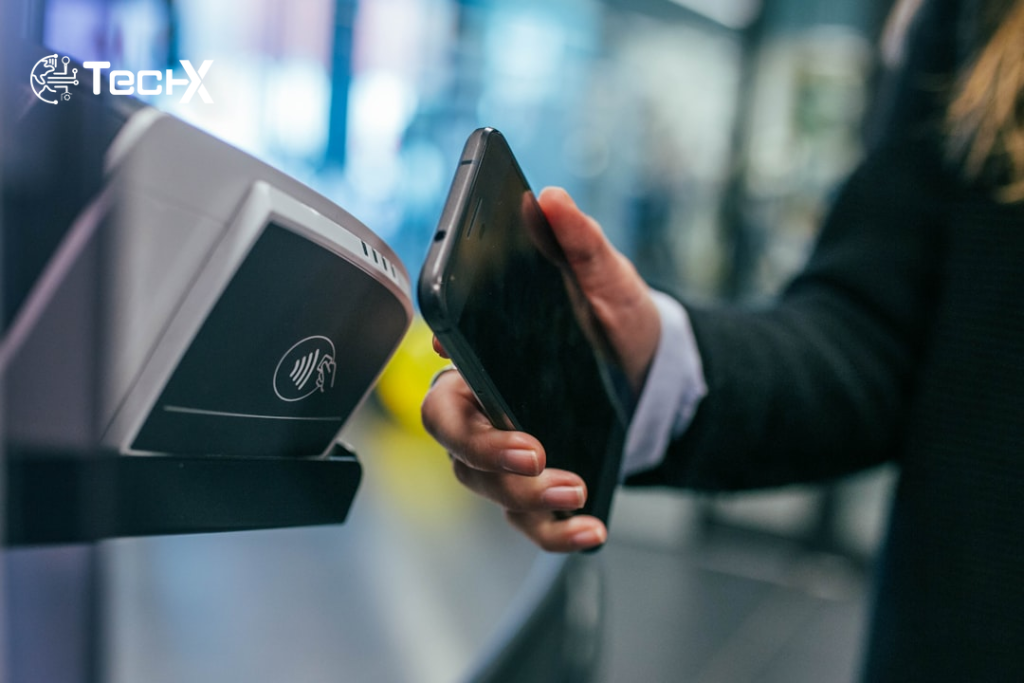
Pakistan digital payments have crossed a major milestone. According to the State Bank of Pakistan (SBP), digital channels now handle 92% of all retail transactions processed through the formal banking system. The SBP’s Quarterly Report on Payment Systems for January to March 2026 shows 3.4 billion digital transactions worth Rs68 trillion completed in a single quarter. That is a big number for a country that was largely cash-based just a few years ago.


What the SBP Report Actually Shows
The report showed that 3.7 billion retail transactions worth PKR 168.8 trillion were processed through formal banking and payment channels between January and March 2026. Out of that total, 92 percent were conducted through digital payment channels, comprising mobile banking apps, internet banking portals, USSD, ATMs, POS, e-commerce and call center IVR banking.
The total number of retail transactions increased by 9% compared to the previous quarter. The volume of digital payments reached 3.4 billion transactions with a total value of PKR 68 trillion. To put that in perspective, the digital share stood at just 90% in the previous quarter and 87% a year before that. The direction is clearly upward.
It is also important to note that the report does not include transactions carried out outside the banking and payment system. So the real volume of digital money movement across Pakistan is likely even higher when you count informal channels and cash-based apps outside formal banking.
Mobile Apps Are Leading Pakistan Digital Payments
Mobile app-based payments remained the largest segment, with 2.9 billion transactions conducted through apps offered by branchless banking players, banks and electronic money institutions. These app-based transactions accounted for 78% of all digital payments and were valued at Rs42 trillion. They included person-to-person transfers, bill payments, and account- and wallet-based merchant payments across online and physical retail outlets.
Internet banking also maintained steady momentum, with transaction volumes increasing by 5 percent, while the overall value of transactions jumped 19 percent compared with the previous quarter. This suggests people are using internet banking less for small transfers and more for larger payments, such as business or property-related transactions.
Raast Keeps Growing Fast
Pakistan’s flagship instant payment system, Raast, continues to be a key driver behind these numbers. Raast processed 742.1 million transactions worth PKR 23.3 trillion during the quarter. Person-to-person (P2P) transfers reached 664 million transactions, up 10% from the previous quarter, with a value of PKR 18.9 trillion. Person-to-merchant (P2M) transactions also increased significantly, rising to 55.9 million from 36.3 million in the previous quarter.
The jump in P2M transactions is especially important. It means more shops and businesses are now accepting Raast payments, not just individuals sending money to each other. That is a sign the system is moving deeper into daily commerce.
More People Joining the Digital Economy
The user base behind these numbers is also growing fast. The number of registered mobile banking and digital wallet users rose to more than 132 million by the end of March 2026, up from 96 million a year earlier, representing an annual increase of 37%. Internet banking registrations reached 16.2 million during the period. With 268 million bank accounts recorded as of December 2025, nearly half are now linked to a mobile banking application or digital wallet, reflecting the wider adoption of digital financial services.
The SBP says the expansion of smartphone usage, improved internet connectivity and growing public confidence in digital financial services continued to accelerate the country’s shift towards cashless transactions. All three of these factors are still improving, which means this trend has more room to grow.
Traditional Banking Still Has a Role
Even as digital channels dominate, physical banking has not disappeared. A total of 20,232 bank branches and 819,397 banking agents provided over-the-counter services, including cash deposits, withdrawals, fund transfers, and bill payments. Bank branches handled 128 million transactions worth PKR 99.5 trillion, while banking agents processed 155 million transactions valued at PKR 1.1 trillion.
These numbers show that large-value transactions still flow heavily through bank branches. But in terms of sheer volume, digital channels have clearly taken over everyday retail payments.
What This Means for Pakistan’s Cashless Ambitions
Pakistan’s government and central bank have long talked about building a cashless economy. These numbers show real progress. Going from 87% digital share a year ago to 92% in one year is a meaningful jump. The growth of Raast, the rise of mobile wallets, and the expansion of digital banking users all point in the same direction.
For everyday Pakistanis, this shift means faster and cheaper payments. Apps like JazzCash, Easypaisa, and bank mobile apps let people pay bills, send money, and shop online without visiting a branch. For businesses, it means more customers paying digitally, which can reduce cash-handling costs and improve record-keeping.
Pakistan’s growing digital banking sector is also attracting fintech investment and new players. You can read more about how ABHI Microfinance Bank is shaping Pakistan’s digital banking landscape as more licensed institutions push into this space.
Frequently Asked Questions
What share of Pakistan’s retail transactions are now digital?
According to the SBP, 3.7 billion retail payments worth Rs168.8 trillion were performed through formal banking channels in January to March 2026, and 92 percent of those were conducted through digital payment channels.
Which digital channel is used the most in Pakistan?
Mobile banking applications remained the most widely used digital payment method, processing 2.9 billion transactions through services offered by banks, branchless banking providers, and electronic money institutions. They account for 78% of all digital payments.
How is Raast performing?
Pakistan’s flagship instant payment platform, Raast, processed 742.1 million transactions valued at Rs23.3 trillion during the January to March period. Person-to-person payments rose 10% to 664 million transactions worth Rs18.9 trillion. Person-to-merchant payments jumped from 36.3 million to 55.9 million, reflecting rising acceptance of digital payments by businesses.
Does this data cover all digital transactions in Pakistan?
No. The SBP report only covers transactions through formal banking and payment channels. Any cash transactions or informal digital transfers happening outside the banking system are not counted in these figures. The real scale of Pakistan’s digital economy is likely even larger.