
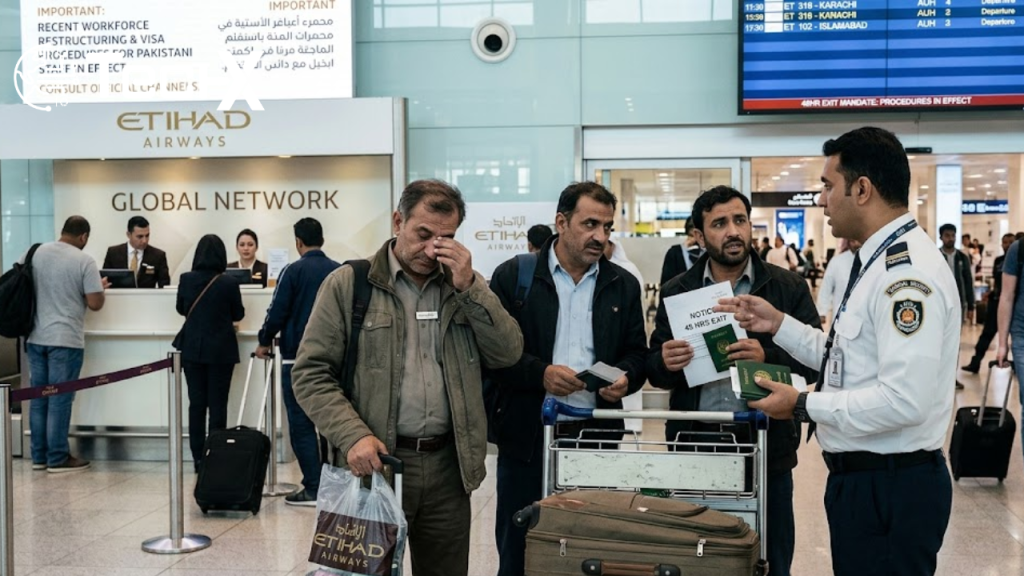
Reports circulating in media and social platforms suggest that Etihad Airways has made adjustments to its workforce in the United Arab Emirates, affecting some employees working in different operational roles. These reports have particularly raised concern within expatriate communities, including Pakistani workers in the region.
Nature of Airline Workforce Adjustments
Like many international airlines, Etihad Airways periodically reviews its staffing requirements based on operational needs, financial conditions, and restructuring policies. Such adjustments can include contract renewals, role changes, or workforce optimization measures across various departments.
Impact on Expatriate Employees in UAE
The United Arab Emirates hosts a large expatriate workforce, including a significant number of Pakistani professionals. Any changes in employment conditions within major organizations often create concern among overseas workers due to job security and contract dependency factors.
No Official Confirmation of Targeted Action
At present, there is no verified official statement confirming that Pakistani employees have been specifically or disproportionately terminated by Etihad Airways. Available information suggests that any workforce adjustments are part of broader organizational restructuring rather than nationality-based decisions.
Broader Industry Context
The aviation industry globally has experienced multiple cycles of restructuring due to economic pressures, operational costs, and post-pandemic recovery strategies. Airlines often modify staffing levels to align with changing travel demand and financial performance.
Conclusion and Current Situation
In conclusion, while reports indicate concerns regarding employment changes at Etihad Airways, there is no confirmed evidence of targeted action against Pakistani employees. The situation appears to be part of routine corporate workforce management, though it has understandably raised concern among affected expatriate communities.