
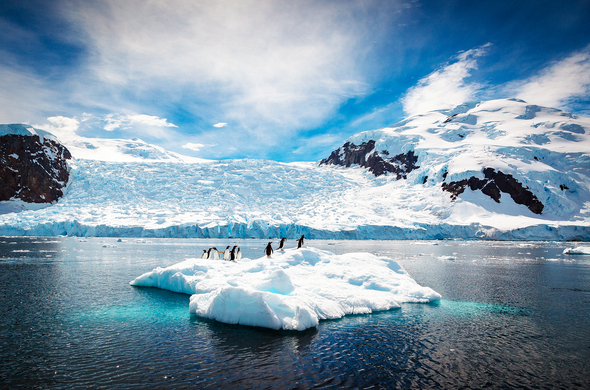
According to British Antarctic Survey (BAS) geologists, the rapidly melting ice in the West Antarctica Ice Sheet (WAIS) might cause global sea levels to rise by 10 feet.
The Antarctic region’s ice has shrunk by 26% below the average observed between 1991 and 2020, making it the second-lowest level in nearly 44 years.
According to BAS researchers, the worldwide average temperature increased by 0.4°C in March 2022, making it the seventh hottest March since official record-keeping began.
The current temperature increase will hasten the melting of ice in Antarctica, raising global sea levels by 10 feet and placing millions of people at risk of displacement.
Dr. Kaitlin Naughten, ocean-ice modeler at BAS, commented on the development, saying that models have revealed that the Amundsen Sea in WAIS is especially vulnerable to long-term climate changes, particularly changes in the pattern of winds in the Southern Hemisphere.
Dr. Naughten went on to say that the pattern of the Southern Hemisphere’s winds could shift sooner rather than later as greenhouse gases in the atmosphere continue to rise.
Dr. Naughten expressed optimism that the rise in sea level might be controlled by slowing the melting of ice in the Antarctic region, which is only conceivable by cutting emissions by 45 percent by 2030 and reaching zero-emission status by 2050.
To read our blog on “World’s most efficient electricity cable has been launched in Japan,” click here.