
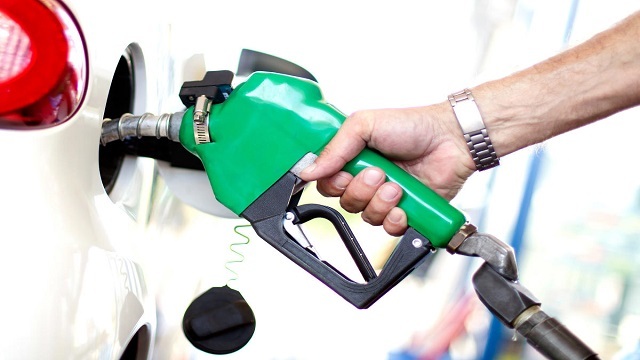
The government is set to raise the price of petroleum goods by Rs. 10 starting on July 1st (Friday) in response to pressure from the International Monetary Fund (IMF).
The International Monetary Fund (IMF) gave Pakistan a Memorandum of Economic and Financial Policy (MEFP) that would merge the seventh and eighth tranches.
The MEFP of the IMF states that Pakistan must first exercise economic restraint before making more difficult decisions starting on July 1st.
According to sources, Pakistan and the IMF are currently in negotiations over the MEFP, and as of July 1st, a levy of Rs. 10 and a 5 percent sales tax on petroleum goods may be implemented.
According to other sources, starting on July 1 power prices could increase and a strict target for reducing energy losses will need to be met. Government organizations will also be held to a tight target for reducing losses.
At a conference called “Turnaround Pakistan” earlier today, Minister of Finance Miftah Ismail stated that the government would get $900 million as the seventh tranche and $1 billion as the eighth tranche from the IMF.
The minister claimed that Pakistani Prime Minister Shahbaz Sharif’s dream was to lead the country toward inclusive, sustainable growth. “This goal is not difficult.”
The government cites South Korea, Japan, and China as examples of countries that have had yearly growth of 10%.
“We intend to provide relief to 6 million people, of which 4 million are already registered. The Prime Minister has provided a scheme for cheap petrol and food which will benefit 6 million people,” he added, noting that the government has made difficult choices to boost Pakistan’s economy.
“When we left the government, the country’s debt servicing stood at Rs. 1,500 billion per year, which currently stands at Rs. 4,000 billion and now our debt has doubled. Now Pakistan can’t afford any more deficits.” Since Pakistan’s tax to GDP ratio is one of the lowest in the world, he explained.
He claimed that because of the government’s decision to raise the price of gasoline, the underprivileged joined our cause. In a similar vein, “we taxed the wealthy and then super taxed 10% of industries.”
“The government is also integrating shops from all around Pakistan into the tax system,” the Minister said, adding that Pakistan’s economy needed strong economic management and budgetary discipline to grow.
To read our blog on “National Assembly passes budget revisions to charge a Rs. 50 fee on petroleum goods,” click here.