
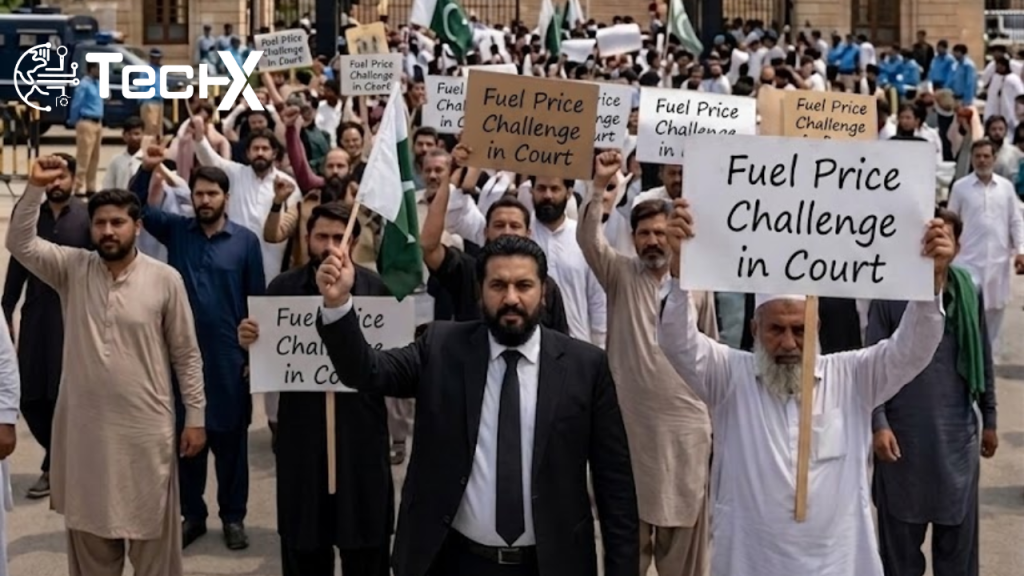
A legal petition has been filed in Pakistan challenging the recent increase in petrol and diesel prices. The petitioner argues that the continuous rise in fuel costs is placing a heavy financial burden on citizens and has requested judicial intervention in the matter.
Concerns Over Rising Fuel Prices
The petition highlights that increasing fuel prices have a direct impact on daily life, including transportation costs, goods prices, and overall inflation. It claims that frequent price hikes are affecting low and middle-income groups the most, making essential services more expensive.
Demand for Affordable Petrol Prices
According to the petition, the court has been urged to consider setting petrol prices at around Rs 200 per litre. However, this demand is part of the petitioner’s request and not any official court decision or government policy.
Government Pricing Mechanism
In Pakistan, fuel prices are determined by the government based on international oil market trends, exchange rates, and taxation policies. The Oil and Gas Regulatory Authority (OGRA) plays a key role in recommending price adjustments, which are then approved by the government.
Legal and Judicial Context
While courts in Pakistan can review petitions related to public interest matters, fuel pricing is generally considered an executive policy decision. Courts may examine legality and fairness but do not usually directly fix commodity prices.
Conclusion and Current Situation
In conclusion, the petition reflects growing public concern over rising fuel costs in Pakistan. However, there is no official court ruling setting petrol prices at Rs 200 per litre. The matter remains under legal consideration, and fuel pricing continues to be managed by government authorities.