
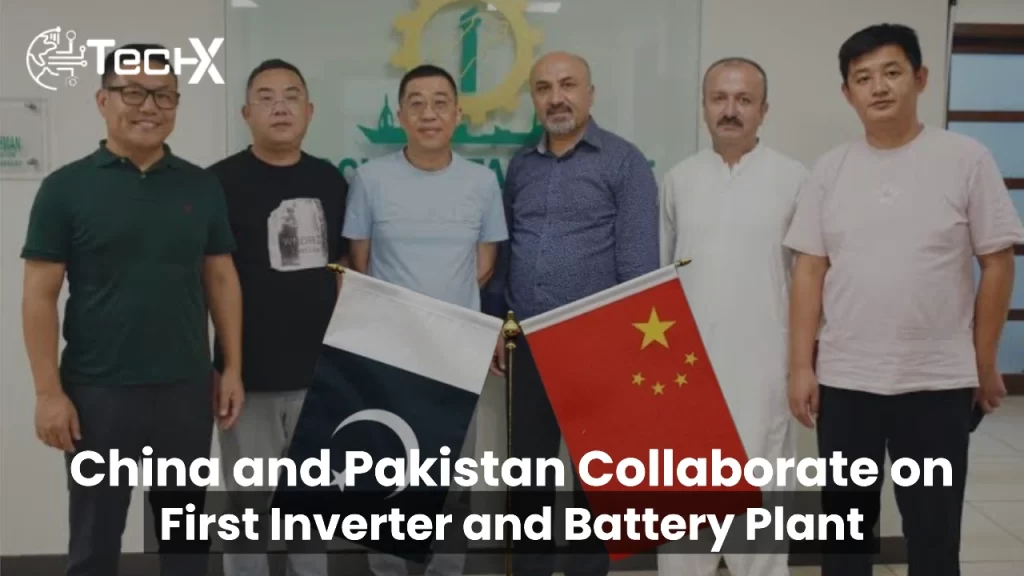
A significant development in Pakistan energy sector is underway as a Chinese group prepares to launch the country’s first inverter and battery plant. This pioneering project is set to revolutionize Pakistan’s approach to energy storage and management, providing a substantial boost to the local economy and infrastructure.
Chinese Investment in Pakistan Energy Sector
The new inverter and battery plant is a testament to the growing Chinese investment in Pakistan energy sector. Funded by one of China’s leading technology conglomerates, the initiative aims to leverage advanced technology to enhance Pakistan’s power supply systems. This investment underscores the strengthening bilateral ties between the two nations, focusing on sustainable energy solutions.
Renewable Energy Developments in Pakistan
This venture is particularly significant as Pakistan shifts towards renewable energy sources. The plant will produce state-of-the-art inverters and batteries essential for storing renewable energy, facilitating the country’s transition from traditional fossil fuels to greener alternatives. This shift is expected to help mitigate environmental concerns and promote sustainable development.
Inverter and Battery Manufacturing
The manufacturing facility will be located in Lahore’s industrial zone, employing over a thousand locals. It will utilize cutting-edge technology to produce high-capacity inverters and batteries, ensuring that Pakistan is equipped with the necessary tools to handle its growing energy demands efficiently.
Sino-Pak Energy Cooperation
The plant represents a milestone in Sino-Pak cooperation within the energy realm. It embodies China’s commitment to supporting Pakistan’s long-term energy goals, including energy security and efficiency. This cooperation not only benefits the energy sector but also fosters deeper diplomatic and economic relations between the two countries.
Green Energy Initiatives in Pakistan
By focusing on the production of inverters and batteries, the project aligns with Pakistan’s green energy initiatives. It supports the government’s vision of increasing the share of renewable energy in the national grid, thus reducing reliance on imported fuels and enhancing energy independence.
Pakistan’s Energy Infrastructure Upgrade
The establishment of this plant is a critical step towards upgrading Pakistan’s aging energy infrastructure. With enhanced capacity for energy storage, Pakistan can manage peak loads better and reduce power outages, a longstanding issue that has hindered economic growth and stability in the region.
Chinese Technology in Pakistani Markets
Introducing advanced Chinese technology into Pakistani markets through this plant will set new industry standards. This technology transfer includes technical training for local engineers and technicians, which is expected to spur innovation and skill development within the local workforce.
Benefits of Local Battery Production
Local production of batteries and inverters means reduced costs and increased availability for Pakistani businesses and consumers. This accessibility is crucial for small to medium enterprises that rely on consistent power supply but often face disruptions due to energy shortages.
Impact of Inverter Plant on Pakistan’s Economy
The economic impact of the inverter and battery plant is multifaceted. It promises job creation, technology transfer, and a boost in local manufacturing sectors. Additionally, by decreasing energy import costs, Pakistan can allocate resources to other critical areas of development.
Sustainability in Pakistan Energy Sector
The plant is a cornerstone for sustainability in Pakistan energy sector. By providing efficient and locally produced energy storage solutions, it supports the country’s commitments under various international environmental agreements and its national agenda for a cleaner energy future.
Community Impact and Engagement
The project also includes community engagement initiatives, such as educational programs and partnerships with local universities to promote research and development in renewable energy technologies. These programs aim to cultivate a knowledgeable workforce that can sustain and expand the renewable energy sector in Pakistan.
Conclusion
The launch of Pakistan’s first inverter and battery plant by a Chinese group marks a new era of technological advancement and economic opportunity. This project not only strengthens Pakistan energy sector but also exemplifies the powerful impact of international cooperation in advancing sustainable development. As the plant begins operations, it promises to be a catalyst for change, driving Pakistan towards a more stable and sustainable energy future.