
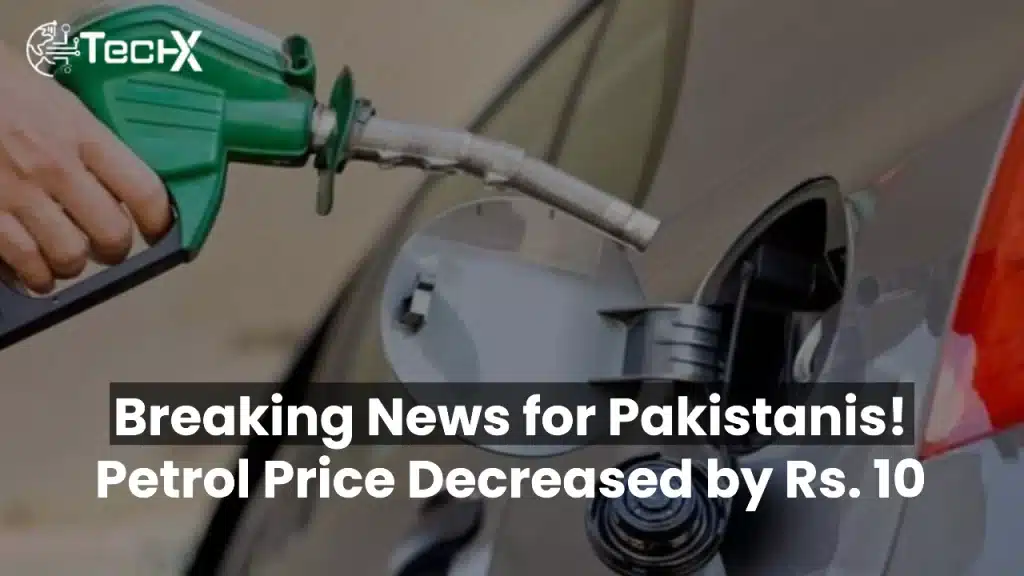
The federal government has recently announced a considerable petrol price decrease, significantly lowering the financial burden on consumers. With a Rs10 per litre cut in petrol prices and a notable Rs13.06 decrease in high-speed diesel (HSD), the move is set to bring widespread relief across the nation. This adjustment reflects global market trends and aims to pass on the benefits directly to the public.
The Impact of Petrol Price Decrease
Effective immediately, petrol now retails at Rs249.10 per litre. This petrol price decrease is not just a temporary relief but a strategic adjustment in response to the global economic pressures that have weighed heavily on consumers. Households relying on petrol for their daily commutes can now breathe a sigh of relief as transportation costs are expected to dip, allowing for more discretionary spending elsewhere.
Changes in High-Speed Diesel Prices
The price of high-speed diesel, a crucial fuel for the transportation and agricultural sectors, has been set at Rs249.69 per litre. This significant Rs13.06 per litre decrease will likely boost operational efficiencies in industries that rely heavily on diesel-powered machinery and vehicles. The reduction in HSD prices ensures that both commercial and agricultural activities receive the necessary support to thrive in these challenging economic times.
Kerosene and Light Diesel Oil Prices
Kerosene, another vital household fuel, has experienced a reduction of Rs11.15 per litre, now priced at Rs158.47. This drop will assist in decreasing the costs of lighting and heating in many rural areas. Similarly, light diesel oil, used mainly in industries, sees a new price of Rs149.13 per litre after a Rs12.12 decrease. These changes are crucial for small businesses and industries utilizing these fuels, helping them manage costs more effectively.
Government’s Role and Regulatory Measures
The new rates, calculated by the Oil & Gas Regulatory Authority (OGRA), were derived after careful consideration of the global market dynamics. The government’s proactive approach in adjusting these rates reflects a commitment to stabilize the economy and provide relief to the public. By maintaining petrol prices at a lower level, the government aims to mitigate inflationary pressures and stimulate economic growth.
Economic and Social Implications
The petrol price decrease is expected to have broad economic and social implications. For families, it means reduced expenses on transport and energy, translating into savings that can be diverted towards education, healthcare, or savings. For businesses, particularly in logistics, agriculture, and manufacturing, lower fuel costs mean reduced operational expenses and potentially more competitive pricing for goods and services.
Conclusion
The recent petrol price decrease, along with cuts in diesel, kerosene, and light diesel oil prices, represents a significant shift in the government’s strategy to support the economy and assist the public. As these new prices are set to remain in effect for the next 15 days, starting from September 16, the immediate future looks a bit brighter for Pakistani consumers and businesses alike. This period will also provide a window into how such fiscal adjustments can help in moderating overall economic activity and consumer spending in the country.