
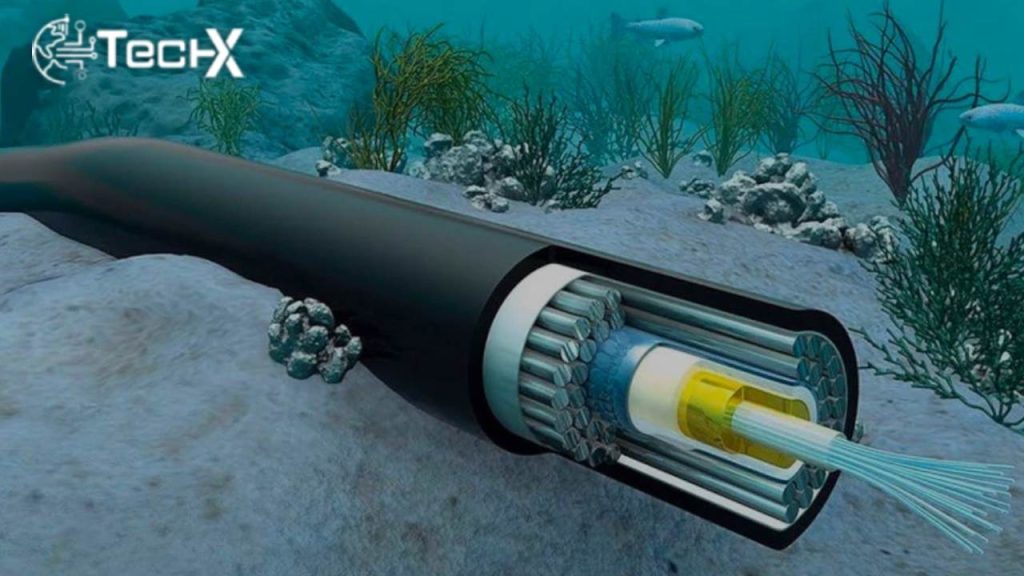
Pakistan has taken a monumental step forward in technological infrastructure with the operationalization of the Africa-2 Cable Project, the world’s longest submarine cable. Shaza Fatima, the Minister of State for Information Technology, made this groundbreaking announcement while addressing parliamentary concerns about the nation’s internet performance. The project is poised to elevate the country’s digital capabilities, addressing long-standing connectivity challenges.
Internet Performance and Parliamentary Concerns
Senator Mohammad Aslam Abro highlighted pressing issues affecting Pakistan’s internet reliability. He criticized the government’s inaction in addressing technological advancements needed to mitigate disruptions. Abro’s proposal to establish a legislative committee underscored the urgency to investigate the root causes of frequent connectivity failures and to find sustainable solutions.
Advancements in Frequency Capacity and IT Exports
Shaza Fatima provided a promising outlook, noting significant strides in the Pakistan Telecommunication Authority’s (PTA) frequency capacity over the past two years. She emphasized a remarkable 33% increase in IT exports and a 25% rise in internet users within just five months. These metrics illustrate the growing importance of the IT sector to Pakistan’s economy and its potential for further expansion.
Also Read: Mobilink Bank Appointed Haaris Mahmood Chaudhary as New CEO
The Role of Submarine Cables in Connectivity
Pakistan’s internet infrastructure heavily relies on eight submarine cables, one of which has surpassed its operational lifespan. Shaza Fatima highlighted the transformative potential of the Africa-2 Cable, a 45,000-kilometer undersea network connecting 33 countries. The cable’s advanced technology promises to enhance Pakistan’s connectivity and resolve ongoing issues linked to mobile broadband services, a primary contributor to service outages.
Spectrum Management and Development Challenges
Spectrum management emerged as another focal point of the parliamentary session. Senator Anusha Rehman raised concerns about the lack of a strategic approach in allocating frequencies and leveraging their investment potential. Fatima acknowledged these gaps, citing sluggish growth in the mobile sector over the last few years. She suggested that adopting international practices, such as offering spectrum at reduced costs, could stimulate development.
PTA’s Initiatives for Regulatory Improvements
In response to concerns, the PTA has engaged consultants from the United States to draft new regulations aimed at modernizing the sector. These initiatives aim to align Pakistan’s telecommunications framework with global standards, ensuring competitiveness and encouraging private sector investment to support technological advancements.
Political Instability and IT Export Targets
Political instability poses a significant hurdle to Pakistan’s ambitious IT export goals. Senator Zeeshan Khanzada expressed doubts about the country’s ability to achieve its $10 billion IT export target amidst these challenges. Despite these reservations, the Africa-2 Cable is seen as a catalyst for growth in the digital economy and a means to bridge existing gaps.
Concerns over the Special Technology Zones Authority
Shaza Fatima criticized previous initiatives by the Special Technology Zones Authority (STZA), particularly real estate dealings that diverted focus from core technological objectives. She advocated for greater transparency and reforms to ensure that resources are effectively allocated to bolster the IT sector and address connectivity issues.
Conclusion
The operationalization of the Africa-2 Cable marks a new era for Pakistan’s technological landscape. While significant progress has been made in enhancing internet infrastructure and IT exports, challenges such as spectrum management and political instability must be addressed. The Africa-2 Cable’s potential to transform connectivity and support economic growth underscores the importance of continued innovation and policy reforms in driving Pakistan’s digital future.