
The World Bank recently confirmed that it will not provide funding to Sri Lanka until they implement deep structural reforms to stabilize their economy.
Sri Lanka has experienced unprecedented downtime, with its 22 million people unable to obtain basic necessities after months of food and fuel shortages, blackouts, and multiple inflations.
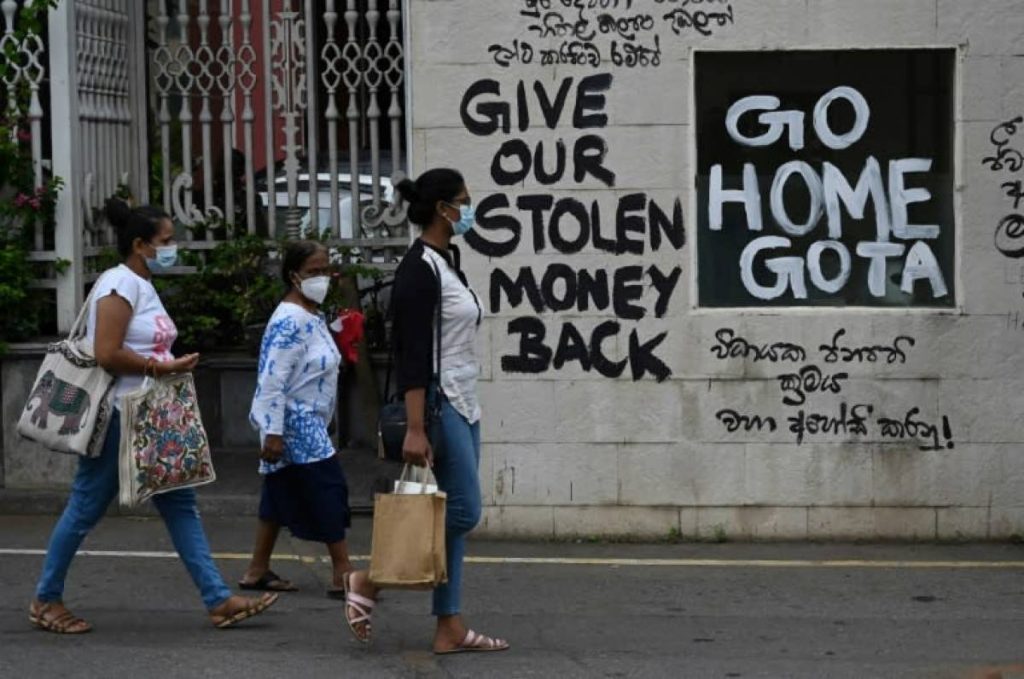
Sri Lanka defaulted on $51 billion in foreign debt in April, prompting a massive protest to force President Gotabaya Rajapaksa to release the country and resign.
The World Bank was concerned about the effects of the crisis on the Sri Lankan nation, but it was still unwilling to provide funds until a policy framework was in place, according to the lender.
It will take significant reform to make their economy more stable and to address the root causes of the crisis.
Sri Lanka has already diverted $160 million from existing loans to obtain priority financing for medicines, cooking gas, and school meals. It would take months for Sri Lanka to process and have bailout talks with the IMF.
Because motorists waited in long lines for days to obtain rationed gasoline, the government has directed them to work from home in order to reduce commuting and save fuel.
According to data recently shared from the Colombo Consumer Price Index (CCPI), the inflation rate rose to 60.8 percent in July, marking the 10th consecutive monthly record, while the Sri Lankan currency has devalued by more than half against the US dollar this year.
According to the UN World Food Programme, 5 out of every 6 families were forced to eat lower-quality food, eat less, or even skip meals.
On July 9, when inflation reached a climax and thousands of people protested outside Rajapaksa’s residence, the president was forced to flee and resign. Furthermore, his successor, Ranil Wickremesinghe, has declared a state of emergency.
To read our blog on “Pakistan isn’t Sri Lanka, nor is it even close to it: SBP Chief,” click here