
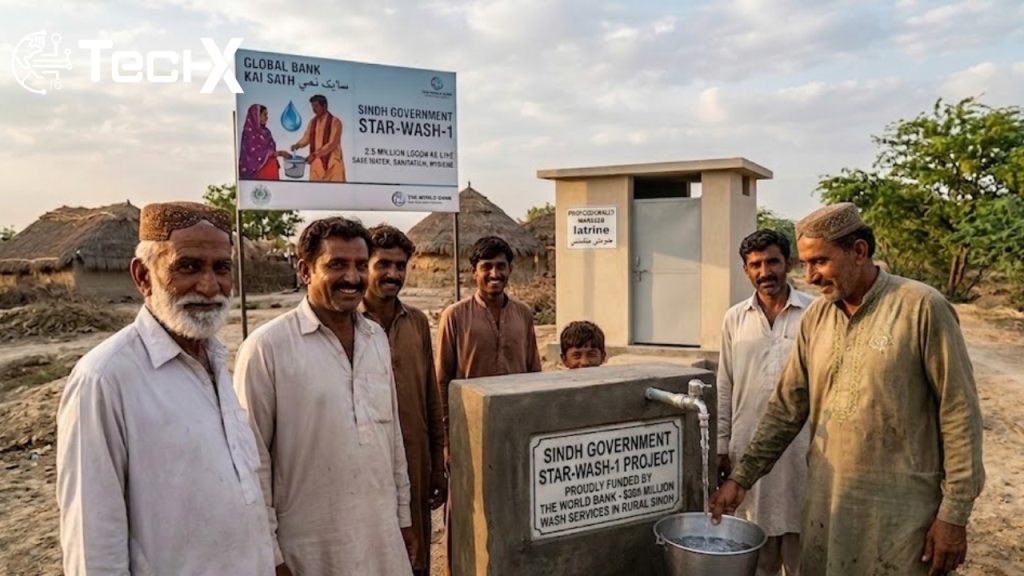
The Government of Sindh has launched a new project aimed at improving access to safe water supply, sanitation, and hygiene (WASH) services in rural areas. The project will receive $300 million in funding from the World Bank. Its primary goal is to ensure that rural communities have access to clean drinking water, improved sanitation facilities, and healthier living practices.
Challenges of Rural Water Supply
Many rural communities in Sindh rely on contaminated water sources, which often contain harmful bacteria like E. coli. This leads to a high prevalence of waterborne diseases, including diarrhea and other health complications. The project will focus on installing water treatment plants, pipelines, and community-level distribution systems. Additionally, sanitation facilities such as latrines and waste management systems will be upgraded to provide safer living environments.
Promoting Hygiene and Awareness
The initiative goes beyond infrastructure improvements, placing significant emphasis on community education. Residents will be informed about the benefits of clean water and proper sanitation practices to improve their health and quality of life. Schools and community centers will host hygiene campaigns to encourage sustainable habits in daily routines.
Funding and Support Structure
The World Bank will provide $300 million, including a $200 million concessional loan through the International Development Association (IDA) and $100 million via the International Bank for Reconstruction and Development (IBRD). Additionally, the Asian Development Bank is expected to contribute $100 million, bringing total project financing to approximately $550 million. This multi-source funding ensures the project’s long-term sustainability.
Beneficiaries and Coverage
The project is expected to benefit around 2.5 million people across 16 of Sindh’s 23 rural districts. By improving WASH services, it will reduce water-related illnesses and positively impact education and productivity. Access to clean water and better sanitation facilities will significantly enhance the overall health of children and adults in these areas.
Long Term Impact and Development Goals
This initiative signals a transformative step for rural communities in Sindh. Improved access to safe water and sanitation will strengthen public health, increase community resilience, and support long-term socio-economic development. Projects like this also play a crucial role in helping Pakistan achieve its sustainable development goals.