
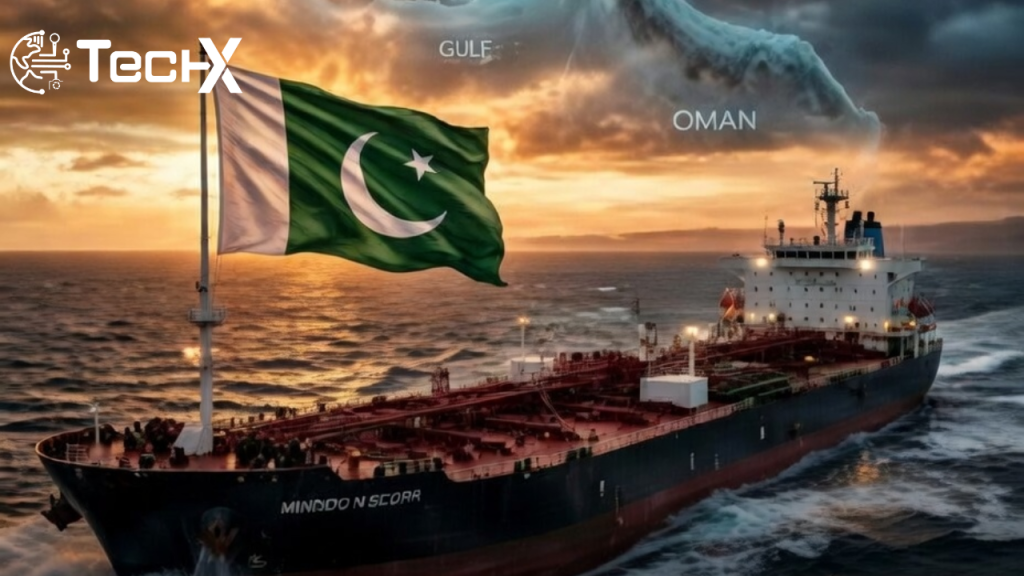
Pakistan relies heavily on imported crude oil and refined fuel products because domestic production is extremely limited. Almost all of the fuel used in the country must be brought in from overseas, primarily from Gulf countries. This heavy dependence makes Pakistan highly sensitive to global energy market fluctuations. Any change in international oil prices, regional conflicts, or shipping disruptions has a direct and immediate impact on domestic fuel costs. As a result, even small disturbances in supply can quickly translate into higher prices at the pump, affecting businesses and ordinary citizens alike.
The Strategic Role of the Strait of Hormuz
The Strait of Hormuz is one of the most crucial shipping routes in the world. Approximately a quarter of the world’s seaborne oil passes through this narrow waterway each day, making it a critical point for international energy security. Disruptions in this strait, such as geopolitical tensions or military conflicts, can have wide-ranging effects on oil availability and global prices. For Pakistan, which depends on oil imports for both domestic consumption and industrial needs, the strait’s stability is vital for maintaining supply and controlling costs.
Disruptions Caused by Regional Conflict
Ongoing conflict in the Middle East has significantly affected maritime traffic through the Strait of Hormuz. Many vessels have been delayed or rerouted due to heightened security risks, and insurance and shipping costs have risen sharply. Although a few Pakistani-flagged ships have successfully navigated the strait recently, these represent only a small portion of the normal flow of imports. This limited passage cannot offset the overall supply shortage or stabilize prices, leaving Pakistan vulnerable to global market fluctuations.
Rising Global Crude Prices
Even with some ships passing through, international crude oil prices have surged due to the conflict and uncertainty in the region. Benchmarks like Brent and WTI crude have reached record highs, driving up the cost of imported fuel. Since Pakistan imports nearly all of its oil, these global price hikes are directly reflected in domestic petrol and diesel rates. The combination of rising crude prices and limited supply has placed a heavy burden on the government and consumers, prompting authorities to adjust fuel prices upward.
Higher Shipping and Insurance Costs
Shipping oil through conflict-affected areas comes with additional expenses. Freight charges have increased, and war-risk insurance premiums for tankers passing through the Strait of Hormuz have risen sharply. These extra costs are added to the import price of fuel and, ultimately, passed on to consumers in Pakistan. Even when vessels can technically transit the strait, these elevated costs mean that local fuel prices remain high, despite partial improvements in supply routes.
Domestic Fuel Price Adjustments
In response to these international pressures, the Pakistani government has raised petrol and diesel prices. Petrol now costs around Rs. 458 per liter, and diesel has reached Rs. 520 per liter. These adjustments reflect both the high cost of imported crude and the need to maintain fiscal balance. While the price hike is difficult for citizens, it is largely unavoidable under the current global conditions and the country’s limited capacity to absorb external shocks.
Limited Strategic Fuel Reserves
Unlike some countries that maintain large emergency stockpiles, Pakistan has only a few weeks’ worth of fuel reserves. This limited buffer leaves the country vulnerable to sudden price spikes or supply disruptions. Without substantial reserves, the government has little flexibility to stabilize fuel prices when global oil costs rise. Consequently, any delay or reduction in imports has an immediate effect on domestic markets, forcing authorities to increase fuel prices to match import costs.
Impact on Inflation and Daily Life
Fuel prices affect much more than just transportation costs. They influence the cost of food, goods, and industrial products because transportation is a key component of supply chains. When fuel becomes more expensive, these costs are passed on to consumers, leading to broader inflation. For households, rising petrol and diesel prices mean higher monthly expenses, reduced disposable income, and increased financial pressure, especially for middle- and lower-income groups.
Conclusion
Even though a few Pakistani vessels have now passed through the Strait of Hormuz, this limited transit does not resolve the larger supply constraints or reduce fuel prices. Global crude price surges, regional instability, rising shipping costs, and a weak local currency all continue to push domestic fuel prices higher. The situation highlights how interconnected Pakistan’s fuel market is with global conditions, and why short-term improvements in shipping alone cannot immediately relieve the financial pressure on citizens.