
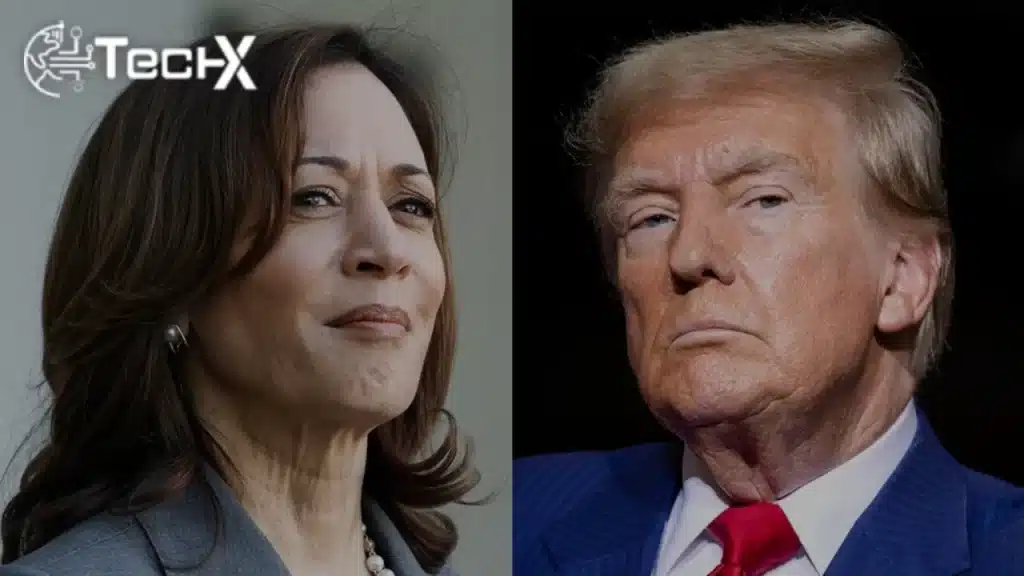
In a marked victory for Donald Trump, the 2024 election yielded a sweeping majority in the popular vote, a stronghold over all pivotal swing states, and potentially an increased majority in both the Senate and the House. This election was not just a repeat of 2016; it was an expansion and consolidation of power, fueled by an effective strategy to unite a multi-ethnic, working-class coalition. This success suggests a reshaping of the Republican Party’s base and a possible new era in U.S. politics.
Key Strategic Choices by the Campaign of Donald Trump
Trump’s approach to the 2024 campaign was to reinforce and expand his appeal among the traditionally Democratic voting blocks of Latinos and African Americans, especially men. His campaign’s decision to engage these voters on popular platforms like Joe Rogan’s podcast proved highly effective, particularly among young men. Trump’s strategy to stick to his robust base-centric messaging post-primaries, while tactically softening on divisive issues like abortion, allowed him to retain a strong evangelical vote without alienating moderate Republicans.
Tactical Brilliance in Trump’s Campaign
The Trump campaign’s calculated maneuvers played a significant role in clinching the election. Foregoing traditional grassroots mobilization in favor of leveraging Trump’s direct appeal and outsourcing to aligned organizations minimized traditional campaign costs and maximized outreach. A sharp focus on negative campaigning against Harris on sensitive issues like transgender rights resonated strongly in conservative regions, undermining her centrist appeal. Moreover, Trump’s pragmatic stance on abortion, advocating for state-level decision-making, cemented his support among conservative voters without sparking widespread backlash.
Also Read: 2024 United States Presidential Election
Challenges Confronted by Kamala Harris
Kamala Harris’s campaign was beleaguered from the outset, burdened by the unpopularity of the Biden administration in critical areas such as economic management and immigration. Biden’s protracted decision to not seek re-election left Harris with limited time to formulate and communicate her campaign vision, severely constraining her ability to effectively engage with the electorate. Her strategic emphasis on reproductive rights failed to mobilize voters to the extent anticipated, illustrating a misjudgment of the electoral mood.
Missteps in Harris’ Campaign Strategy
The Harris campaign suffered from significant strategic missteps. Her reluctance to clearly differentiate her policy positions from Biden’s unpopular administration alienated potential swing voters looking for a fresh direction. Avoiding substantive media interactions further portrayed her as reliant on prepared statements, diminishing her perceived competence and relatability. These issues, combined with a failure to pivot on key policy areas, made her appear indecisive and disconnected from the electorate’s primary concerns.
Navigating Trump’s Promises
President Trump’s victory in 2024 was built on bold promises, including imposing significant tariffs, resolving conflicts abroad, and overhauling immigration policy. The execution of these policies will test the limits of presidential power and the willingness of a possibly divided Congress to follow his lead. Tariffs, for instance, might protect certain industries but could also increase prices for consumers and strain international relations. Similarly, his pledges to rapidly resolve conflicts in places like Ukraine and the Middle East are ambitious, with outcomes that are far from guaranteed.
Potential Repercussions for the Republican Party
The potential long-term impact of Trump’s presidency on the Republican Party is profound. The shift toward a more diverse base could redefine Republican demographics, but maintaining this coalition requires balancing varied and sometimes conflicting interests. Furthermore, if Trump’s policies lead to economic downturns or international strife, the party may face backlash from those who placed their trust in his leadership, particularly new voters who were crucial to his 2024 victory.
Democratic Reflection and Rebuilding
For the Democratic Party, the loss in 2024 serves as a catalyst for introspection and possibly for transformation. The election results exposed weaknesses in voter engagement, messaging, and candidate positioning. Moving forward, Democrats will need to reassess how they connect with the broader American electorate, especially in areas where Trump made significant inroads. The challenge will be to articulate a vision that addresses the needs and concerns of a diverse voter base while remaining true to their core principles.
The Broader Impact on American Politics
The 2024 election underscores a potentially transformative period in American politics. With demographic shifts, changing voter priorities, and the evolving nature of party politics, the traditional political landscape is being reshaped. Both parties are confronted with the need to adapt to a new political reality one where old alignments may no longer hold, and new coalitions can emerge unexpectedly.
Conclusion
The aftermath of the 2024 election presents a critical juncture for the Democratic Party, necessitating a thorough analysis of its electoral strategy and a recalibration of its approach to engaging with voters. Simultaneously, Trump’s second term confronts him with the challenge of fulfilling expansive campaign promises amidst complex domestic and international pressures. The manner in which he navigates these issues will significantly influence the GOP’s fortunes and the broader political landscape leading up to the 2026 midterm elections.