
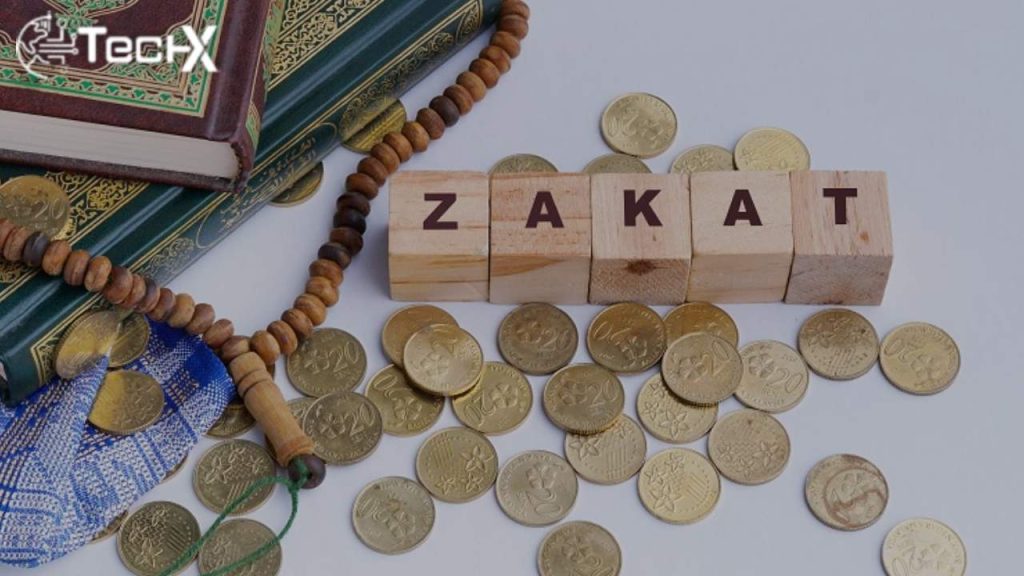
Zakat is one of the Five Pillars of Islam and is a mandatory form of almsgiving or charity for Muslims. It is both a spiritual obligation and a social mechanism designed to promote economic justice, reduce inequality, and support the less fortunate. The word “zakat” comes from the Arabic root z-k-w, meaning “to purify” or “to grow,” signifying that giving zakat purifies one’s wealth and soul while fostering growth in society.
Concept and Purpose of Zakat
Spiritual Significance:
- Zakat is an act of worship and obedience to Allah. It is a means of purifying one’s wealth and earning divine blessings.
- It is often mentioned in the Quran alongside prayer (salah), highlighting its importance in a Muslim’s life.
Social and Economic Role:
- Zakat aims to redistribute wealth, reduce poverty, and ensure that the basic needs of all members of society are met.
- It fosters a sense of community, solidarity, and responsibility among Muslims.
Moral and Ethical Dimensions:
- Zakat encourages empathy, generosity, and selflessness. It reminds Muslims of their duty to care for others and share their blessings.
Obligation of Zakat
Zakat is obligatory for Muslims who meet specific criteria:
Nisab (Minimum Wealth Threshold):
- A person must possess wealth above a certain threshold, known as nisab. The nisab is typically calculated based on the value of gold or silver.
- As of contemporary standards, the nisab is approximately equivalent to 85 grams of gold or 595 grams of silver.
Hawl (Lunar Year):
- The wealth must have been held for a full lunar year (approximately 354 days) before zakat becomes due.
Rate of Zakat:
- The standard rate of zakat is 2.5% of one’s total savings and wealth that meets the nisab threshold.
Types of Wealth Subject to Zakat:
- Cash, savings, and investments
- Gold, silver, and other precious metals
- Business inventory and profits
- Agricultural produce and livestock (specific rates apply)
Also Read: SBP Announces Bank Holiday for Zakat Deduction on First Day of Ramadan
On What Things Is Zakat Obligatory?
Zakat, one of the Five Pillars of Islam, is a mandatory act of charity for Muslims who meet specific wealth criteria. It is obligatory on various forms of wealth, ensuring economic justice and support for the less fortunate. Here’s a detailed look at the types of wealth subject to zakat:
- Cash & Savings:
Zakat is due on physical cash, money in bank accounts, and savings that exceed the nisab (minimum threshold). The amount must be held for a full lunar year before zakat becomes payable. This ensures that only those with sufficient means are obligated to contribute. - Gold & Silver:
Precious metals like gold, silver, and other forms of jewelry, coins, or bars are subject to zakat if they meet the nisab. The nisab for gold is 85 grams, and for silver, it is 595 grams. Personal jewelry worn regularly is exempt, but items held as savings or investments are included. - Business Inventory:
Goods and merchandise intended for trade or sale are subject to zakat. The market value of the inventory is calculated, and zakat is due if it meets or exceeds the nisab. This ensures that business wealth is also shared with those in need. - Investments:
Stocks, bonds, mutual funds, and other financial investments are included in zakat calculations. The current market value of these assets is assessed, and zakat is payable if the total value exceeds the nisab. This modern form of wealth is treated similarly to traditional assets. - Agricultural Produce:
Crops and fruits grown for sale or consumption are subject to zakat at the time of harvest. The rate varies: 10% if the land is irrigated naturally (e.g., rainwater) and 5% if irrigated artificially (e.g., using machinery or purchased water). This ensures farmers contribute to the community’s welfare. - Livestock:
Animals like camels, cattle, sheep, and goats raised for trade or breeding are subject to zakat if their numbers meet specific thresholds. For example, zakat is due on 40 or more sheep or goats, 30 or more cattle, and 5 or more camels. This reflects the historical importance of livestock as a form of wealth. - Debts Owed to You:
Money lent to others that you expect to recover is included in zakat calculations. If the amount meets or exceeds the nisab, zakat is due on it. This ensures that even potential wealth is considered in fulfilling this obligation.
Wealth Exempt from Zakat
- Personal items like a primary home, car, clothing, and furniture.
- Tools and equipment used for work or business.
- Debts you owe to others (these are deducted from your total wealth before calculating zakat).
Eligible Recipients of Zakat
The Quran (Surah At-Tawbah, 9:60) specifies eight categories of people who are eligible to receive zakat:
1. The Poor (Fuqara):
- Those who do not have enough to meet their basic needs.
2. The Needy (Masakin):
- Those who are in severe hardship and cannot provide for themselves.
3. Zakat Administrators:
- Those appointed to collect, manage, and distribute zakat.
4. Those Whose Hearts are to be Reconciled (Mu’allafat al-Qulub):
- New Muslims or those inclined toward Islam who may benefit from financial support to strengthen their faith or resolve conflicts.
5. Those in Bondage (Riqab):
- Slaves or captives who seek freedom, including modern-day victims of human trafficking.
6. The Debt-Ridden (Gharimin):
- Individuals burdened by debt that they cannot repay.
7. In the Cause of Allah (Fi Sabilillah):
- Those working for charitable or religious causes, such as building mosques, schools, or supporting jihad (struggle) in a non-violent context.
8. The Wayfarer (Ibn as-Sabil):
- Travelers who are stranded or in need of assistance to complete their journey.
History of Zakat
Pre-Islamic Era:
- Charitable giving existed in pre-Islamic Arabia, but it was informal and not systematized.
Introduction in Islam:
- Zakat was institutionalized during the time of the Prophet Muhammad (peace be upon him) in Medina (622 CE onwards). It became a formal pillar of Islam, alongside prayer, fasting, pilgrimage, and faith.
- The Quran repeatedly emphasizes the importance of zakat, often pairing it with prayer.
Early Islamic Community:
- During the Prophet’s lifetime and the era of the Rashidun Caliphs, zakat was collected and distributed by the state. This ensured fairness and efficiency in addressing the needs of the community.
- Zakat played a crucial role in alleviating poverty and supporting the Muslim community during its formative years.
Evolution Over Time:
- As Islamic societies expanded, the collection and distribution of zakat became more decentralized. In some regions, governments took responsibility, while in others, individuals and religious organizations managed it.
- Today, zakat is collected and distributed through various means, including government systems, charitable organizations, and individual efforts.
Calculation and Payment of Zakat
- Step 1: Determine Nisab:
- Calculate whether your wealth exceeds the nisab threshold (e.g., the value of 85 grams of gold or 595 grams of silver).
- Step 2: Assess Eligible Wealth:
- Include cash, savings, investments, gold, silver, and business assets. Exclude personal items like a primary home, car, or clothing.
- Step 3: Calculate 2.5%:
- Multiply the total eligible wealth by 2.5% (or 0.025) to determine the zakat amount.
- Step 4: Distribute Zakat:
- Give the calculated amount to eligible recipients, ensuring it is used for its intended purpose.
Importance of Zakat in Modern Times
Poverty Alleviation:
- Zakat remains a powerful tool for addressing poverty and inequality in Muslim-majority countries and communities worldwide.
Social Welfare:
- Many modern Islamic organizations and governments use zakat funds to provide healthcare, education, and emergency relief.
Spiritual Growth:
- Paying zakat strengthens a Muslim’s faith, fosters gratitude, and encourages a sense of responsibility toward others.
Global Impact:
- In an interconnected world, zakat can be used to support refugees, disaster victims, and marginalized communities globally.
Conclusion
Zakat is a cornerstone of Islamic teachings, embodying the principles of compassion, justice, and communal responsibility. Its historical roots trace back to the early days of Islam, and its relevance continues to grow in addressing contemporary social and economic challenges. By fulfilling this obligation, Muslims not only purify their wealth but also contribute to building a more equitable and caring society.