
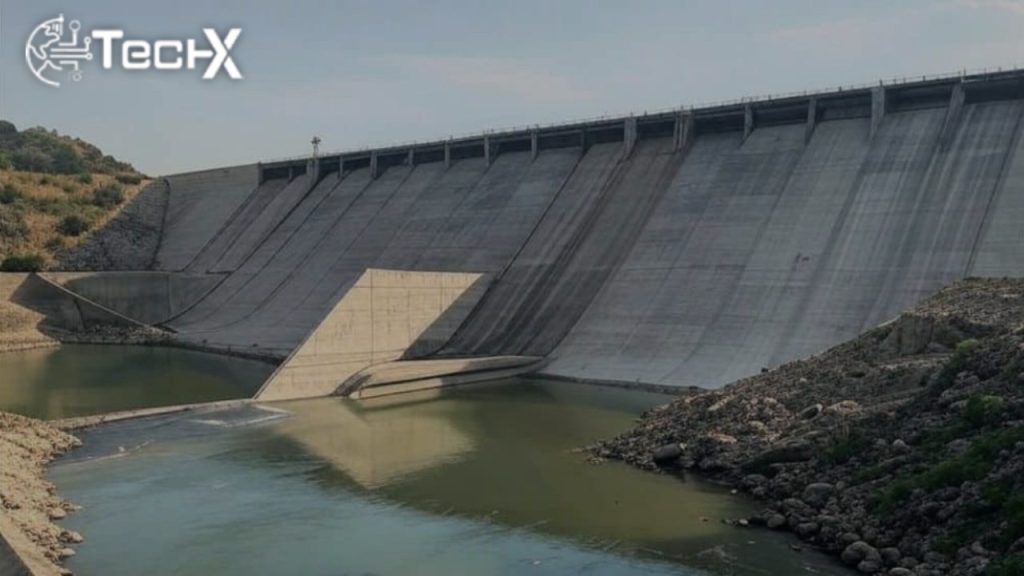
Rawalpindi and Islamabad are grappling with an acute water shortage as water levels in Rawal, Simly, and Khanpur dams plummet due to prolonged dry weather. Authorities warn that only 40–45 days of water supply remains, forcing them to consider rationing by mid-May. The situation has raised concerns among residents, who fear worsening shortages if rainfall does not arrive soon.
Groundwater Depletion Renders Tube Wells Useless
The groundwater level in Rawalpindi has dropped below 700 feet, rendering most tube wells ineffective. The Water and Sanitation Agency (WASA) has expressed alarm over the rapid depletion, which has disrupted daily water supply. Many households now rely on water tankers, leading to skyrocketing demand. Experts warn that unchecked extraction and climate change are exacerbating the crisis, requiring urgent conservation measures.
WASA Implements Water Control Plan
To address the crisis, WASA has launched a Water Control Plan, banning non-essential water use and cracking down on water theft. The agency is also pursuing unpaid bills to improve revenue for water management. Strict monitoring is in place to prevent illegal water connections and wastage. However, residents complain of inconsistent enforcement, with some commercial users continuing to exploit resources unchecked.
Also Read: Pakistan-India Tensions Escalate: War Imminent Within Days?
Private Water Tankers in High Demand
With municipal supplies dwindling, private water tankers have become a lifeline for many residents. However, prices have surged, making clean water unaffordable for low-income families. Complaints of overcharging and contaminated water are rising. Authorities have been urged to regulate tanker operations, but enforcement remains weak. The crisis highlights the growing inequality in access to essential resources amid worsening shortages.
Chahan Dam Project Rushed to Ease Crisis
The government is accelerating the Chahan Dam project to alleviate water stress in the region. Once completed, the dam is expected to provide an additional water source for Rawalpindi. However, delays in funding and land acquisition have slowed progress. Officials hope partial completion will still help mitigate shortages. Meanwhile, free water is being supplied to the worst-hit areas, but demand far exceeds capacity.
Rainfall Needed to Avert Disaster
Meteorologists warn that without significant rainfall, the crisis could escalate into a full-blown disaster. Cloud-seeding efforts have been discussed, but no concrete measures have been implemented. Residents are urged to conserve water, while authorities explore long-term solutions like desalination and wastewater recycling. The situation underscores the urgent need for sustainable water management policies to prevent future crises.
Conclusion: Water Level in 3 Pakistani Dams
The water crisis in Rawalpindi and Islamabad demands immediate intervention. While short-term measures like rationing and tanker regulation are necessary, long-term solutions such as dam construction and groundwater recharge must be prioritized. Public awareness on conservation is equally crucial. Without coordinated efforts, the region risks severe socio-economic consequences, making water security a top priority for policymakers.