
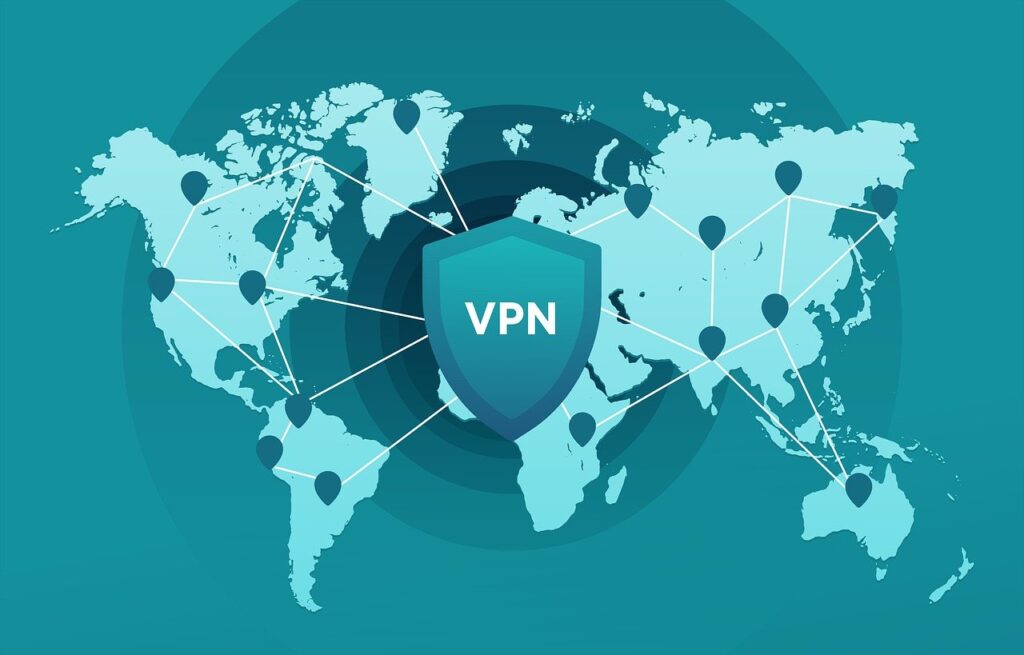
People use Virtual Private Network (VPN) to hide from authoritarian regime attempts to control and impose limitations on internet access.
For those struggling with social media prohibitions, these methods for resisting censorship offer a lifeline, enabling them to connect and communicate among the chaos that frequently comes with such crackdowns.
After the government on May 9 barred access to Twitter, Facebook, and other social media platforms, demand for VPNs soared in Pakistan.


The arrest of the former prime minister Imran Khan sparked extensive, violent protests that also led to blockades and traffic bottlenecks, and this action was conducted in response to the protests.
Why VPN demand Is Increasing
On May 9, there was a striking increase in demand for VPN services, which saw a startling 311% increase in comparison to the daily usage average seen over the previous 28 days.
On May 10, late in the afternoon, the demand for Virtual Private Networks had risen even higher, hitting a remarkable 846% above usual.
This study was conducted by Top10VPN, which keeps track of global Virtual Private Network usage trends. Monthly reports are used to show the data, which is then contrasted with the preceding 30 days.
Along with the increase in Virtual Private Network traffic, the entire nation’s access to mobile broadband services was totally cut off.
As long as the social media outage lasts throughout the protests, we anticipate that VPN usage will only rise.
To read our blog on “Mobile internet suspension; telecoms Co. suffered big loss,” click here.