
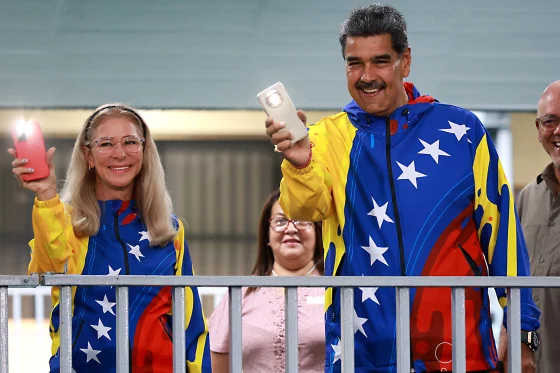
In Venezuela, both President Nicolás Maduro and his opponent, Edmundo González Urrutia, say they won the election. The U.S. and other countries are not sure about the results.
The National Electoral Council (CNE) counted 80% of the votes and said Maduro got 51% of the votes, while González Urrutia got 44%. But the opposition says their records show González Urrutia won 70% of the votes. María Corina Machado from the opposition said they will fight for what they believe is true and that people wanted change in Venezuela.
González Urrutia said there were rule problems with the election. If Maduro wins, he will stay in power for six more years. He has been in charge since Hugo Chávez died in 2013. Chávez was the leader from 1999.
The election is very important for Venezuela. The country had a big economic crash. Maduro says the problems are because of foreign sanctions. The opposition promised to fix the economy and bring back democracy if they won.
Concerns grew about election fairness. Maduro’s government controls all public institutions, including the Supreme Court. The government has faced past accusations of vote rigging. It denied these claims.
Voters felt strongly about the election. Many said they would leave if Maduro won because of issues like violence and a bad economy. After the results, Maduro called it a “win for peace” and “fairness,” saying his opponents couldn’t solve the problems.
In Caracas, people reacted differently. Maduro’s supporters were happy and celebrated, while his opponents were sad and cried. The opposition said there were problems with the vote. They said their people couldn’t watch the counting and that the CNE stopped counting some votes.
World Leaders Split on Venezuela Election: Praise and Criticism
During the campaign, there were problems too. At least 71 people linked to the opposition were held, and many news sites were blocked. Venezuelans living abroad had trouble voting because of strict rules about passports and residency.

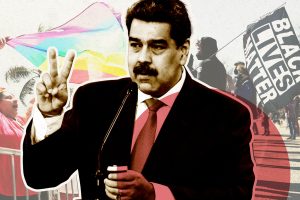
The CNE has not responded to the opposition’s claims. U.S. Secretary of State Antony Blinken expressed concerns. He said the results might not reflect the people’s votes. He urged for a fair and transparent vote count.
The opposition’s doubts might change how other countries see Venezuela. Last year, Maduro promised fair elections if they eased sanctions. In Latin America, reactions were different. Some leaders did not accept the results and said Maduro should step down if he lost. But leaders from Bolivia, Honduras, and Cuba congratulated him.
The Venezuelan government said some foreign countries tried to mess with the election. They named countries that did not like the results.
To read our blog on “Bitcoin hits lowest level as new election concerns emerge,” click here