
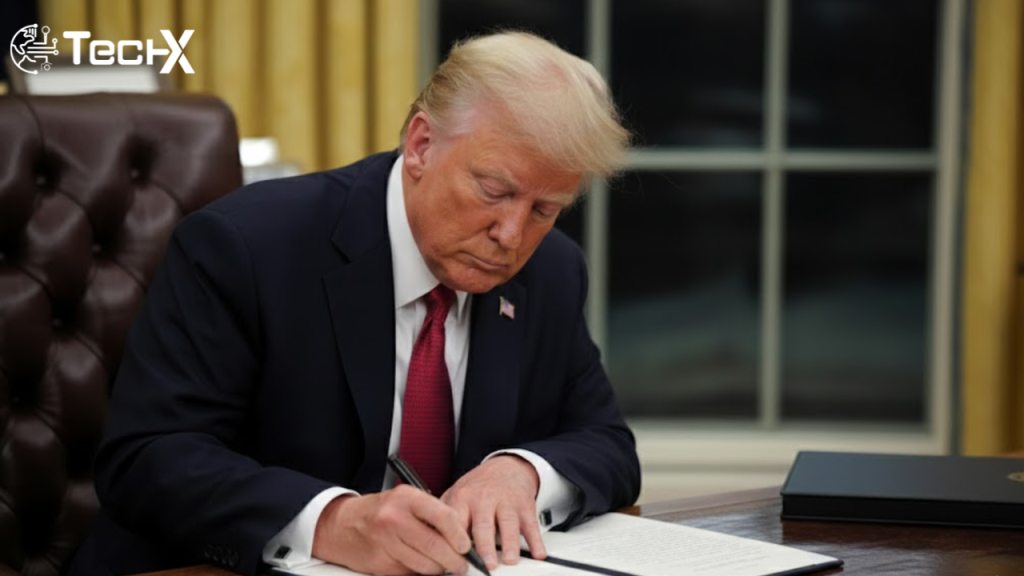
The United States has proposed legislation known as the “Sanctioning Russia Act of 2025”. It suggests imposing a 500% tariff on imports from countries that purchase oil or energy products from Russia. The bill has been introduced in Congress but has not yet been officially passed. The US leadership is actively pushing it forward. This measure directly targets international energy trade and has significant geopolitical implications.
What a 500% Tariff Means
A 500% tariff means that an imported product would be taxed at five times its original value. For example, if a country buys 100 dollars worth of Russian oil, a 500% tariff would raise the total cost to 600 dollars. Such a high tariff is extremely prohibitive. It makes trade economically very difficult and significantly increases the cost of energy imports for affected countries.
Targeted Countries
The bill primarily targets India China and Brazil as these countries are among the largest buyers of Russian oil. If implemented, these nations would face serious challenges in sustaining exports and trade in US markets. Their energy imports as well as participation in the global oil market would be significantly affected. The proposal has already sparked diplomatic and economic tensions with these major economies.
Economic and Global Impact
If the law is passed, energy costs in affected countries would rise sharply. It would likely drive inflation and higher fuel prices. Countries may be forced to seek alternative suppliers. This could cause fluctuations in global oil prices. Additionally, bilateral trade and international relations particularly with the United States could be negatively affected.
Conclusion
The proposed US 500% tariff on Russia oil buyers is a highly aggressive economic tool targeting Russia’s buyers and the global energy market. While the law has not yet been enacted, if approved, it could have a major impact on energy import costs, domestic economies, and international trade diplomacy. It would create a significant geopolitical challenge for the targeted countries.