
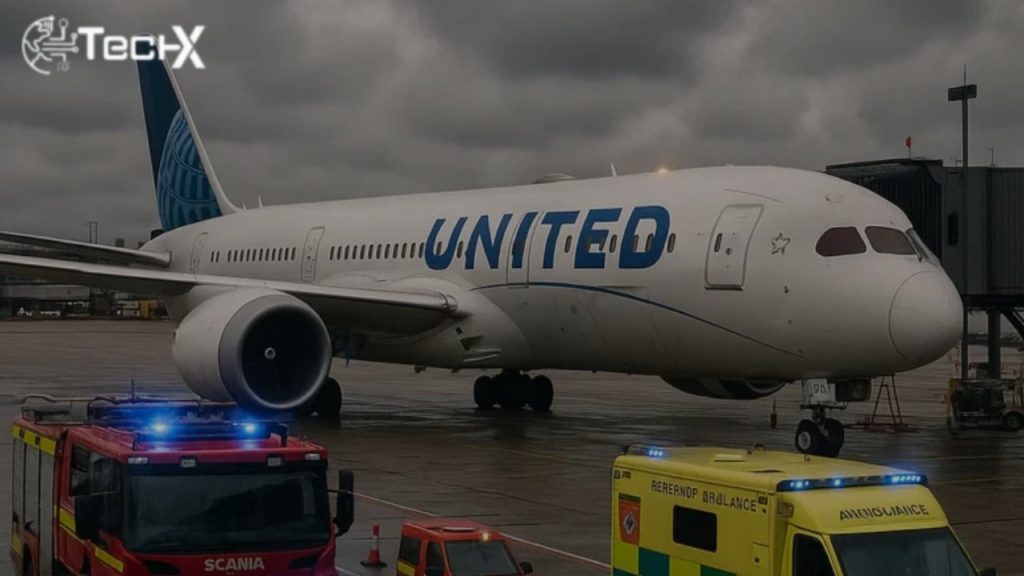
United Airlines Flight UA770 was a routine domestic flight when an unexpected issue forced an emergency diversion. Passengers reported unusual noises, cabin pressure changes, and a controlled descent. The crew handled the situation professionally, ensuring a safe landing at an alternate airport. Emergency vehicles were on standby, and passengers were later rebooked. The incident highlighted aviation safety protocols and passenger preparedness.
Timeline of Events – UA770 Emergency Diversion
| Time (Approx.) | Event |
|---|---|
| 10:05 AM | Flight UA770 departs on schedule |
| 11:45 AM | The aircraft reaches cruising altitude |
| 12:10 PM | Crew reports technical issue to ATC |
| 12:15 PM | The captain announces emergency diversion |
| 12:40 PM | The plane begins controlled descent |
| 1:00 PM | UA770 lands safely at the alternate airport |
| 1:15 PM | Passengers deplane; aircraft inspected |
| 2:00 PM | United initiates rebooking procedures |
| 5:00 PM | Airline issues public statement |
Causes: What Led to the Diversion?
While official reports are pending, common causes of diversions include cabin pressure issues, engine irregularities, medical emergencies, or electrical faults. UA770’s crew cited pressurization fluctuations, leading to oxygen mask deployment. Controlled descents are standard in such cases, ensuring passenger safety. The aircraft, a Boeing 737-800, underwent post-landing inspections to determine the root cause.
Passenger Experience: What It Felt Like Onboard
Passengers described a mix of fear and reassurance. Oxygen masks dropped, and the descent felt abrupt but controlled. Crew members remained calm, minimizing panic. However, limited real-time information increased anxiety. Post-landing, United provided meal vouchers and rebooking assistance. Such incidents underscore the importance of crew training and clear passenger communication during emergencies.
Aircraft Model and Maintenance
UA770 operated on a Boeing 737-800, a widely used and reliable aircraft. Routine maintenance checks are mandatory, with advanced diagnostics predicting potential failures. Post-diversion, the plane underwent thorough inspections. Airlines prioritize predictive maintenance to prevent mid-air issues, but unexpected malfunctions can still occur.
Possible Mishaps That Lead to Emergency Diversions
- Pressurization Problems – Cabin pressure loss triggers oxygen masks and emergency descent.
- Engine Trouble – Sensor alerts or mechanical issues may require immediate landing.
- Hydraulic Failure – Impacts flight controls, necessitating quick diversion.
- Bird Strikes – Engine damage from bird ingestion can force a return.
- Fire or Smoke – Any onboard fire is a top-priority emergency.
- Medical Emergencies – Severe health incidents may require an urgent landing.
- Security Threats – Unruly passengers or bomb threats demand immediate action.
- Fuel Issues – Unexpected shortages may lead to alternate landing.
- Navigation Failures – Malfunctioning avionics compromise route safety.
- Severe Weather – Storms or ash clouds make flying unsafe.
How to Avoid Being Affected by Emergency Landings
- Fly on modern aircraft – Newer planes have better diagnostics.
- Choose morning flights – Fewer delays and weather disruptions.
- Allow longer layovers – Avoid tight connections in case of diversions.
- Disclose medical conditions – Ensures better in-flight support.
- Avoid peak storm seasons – Reduces weather-related reroutes.
Safety Precautions Every Passenger Should Know
- Listen to safety briefings – Locate emergency exits.
- Use oxygen masks properly – Secure yours before helping others.
- Keep seatbelts fastened – Prevents turbulence injuries.
- Wear shoes during takeoff/landing – Protects during evacuations.
- Keep essentials accessible – Medications, IDs, and phones should be within reach.
- Follow crew instructions – They are trained for emergencies.
- Stay calm and assist others – Panic worsens situations.
How Airlines Prepare for and Handle Emergency Scenarios
- Pilot simulator training – Prepares for engine failures, fires, and more.
- Real-time flight monitoring – Operations centers track aircraft health.
- Standard diversion protocols – Predefined checklists ensure smooth execution.
- Post-incident reviews – Airlines and regulators analyze events for improvements.
Why Emergency Diversions Are a Sign of a Safe Aviation System
Diversions demonstrate proactive safety measures. Redundant systems, pilot autonomy, and strict protocols ensure risks are mitigated early. Airlines prioritize passenger safety over schedules, reinforcing aviation’s reliability.
What to Do If You’re on a Flight That’s Diverted
- Stay calm and follow instructions – Avoid speculation.
- Avoid social media rumors – Wait for official updates.
- Use airline rebooking tools – Apps and kiosks streamline the process.
- Request assistance if needed – Medical or emotional support is available.
- Document details – Helps with future claims or reports.
Airline and Crew Response
United Airlines activated its Irregular Operations Protocol:
- Aircraft inspection
- Passenger rebooking
- Meal and accommodation assistance
- Public statements emphasizing safety
Communication and Public Relations
Airlines balance transparency and reassurance. UA770’s statement called it a “precautionary landing,” avoiding unnecessary panic. Critics argue for more technical transparency, but airlines prioritize verified facts over speculation.
Implications for Travelers
- Emergencies ≠ Danger – Most are resolved safely.
- Crew training saves lives – Trust their expertise.
- Diversions are calculated – Pilots prioritize safety.
- Passenger awareness helps – Know safety procedures.
- Compensation may apply – Check airline policies post-disruption.
Industry Impact and Broader Trends
Diversions are slightly rising due to:
- Increased post-pandemic travel
- Aging aircraft in some fleets
- Advanced sensors detect issues earlier
- More medical emergencies onboard
How Aviation Authorities Respond
The FAA reviews pilot reports, maintenance logs, and crew statements. Non-injury incidents like UA770 are documented but rarely escalated unless patterns emerge.
Psychological Effects on Passengers
Some travelers develop flight anxiety post-diversion. Airlines offer support hotlines, and therapy can help. Understanding aviation safety statistics reassures nervous flyers.
Looking Forward: Safer Skies Through Transparency
Emergencies will always occur, but transparency builds trust. AI, predictive maintenance, and better communication ensure aviation remains the safest travel mode.
Conclusion: The Flight That Didn’t Finish, But Landed Right
The emergency diversion of United Airlines Flight UA770 underscores the aviation industry’s unwavering commitment to safety. While disruptive, such incidents highlight robust protocols, well-trained crews, and advanced aircraft systems that prioritize passenger well-being. Diversions are not failures but precautionary measures ensuring no risks escalate. For travelers, understanding these procedures fosters confidence in air travel. As technology and transparency improve, the skies grow even safer, proving that even when flights don’t go as planned, they always land right.