
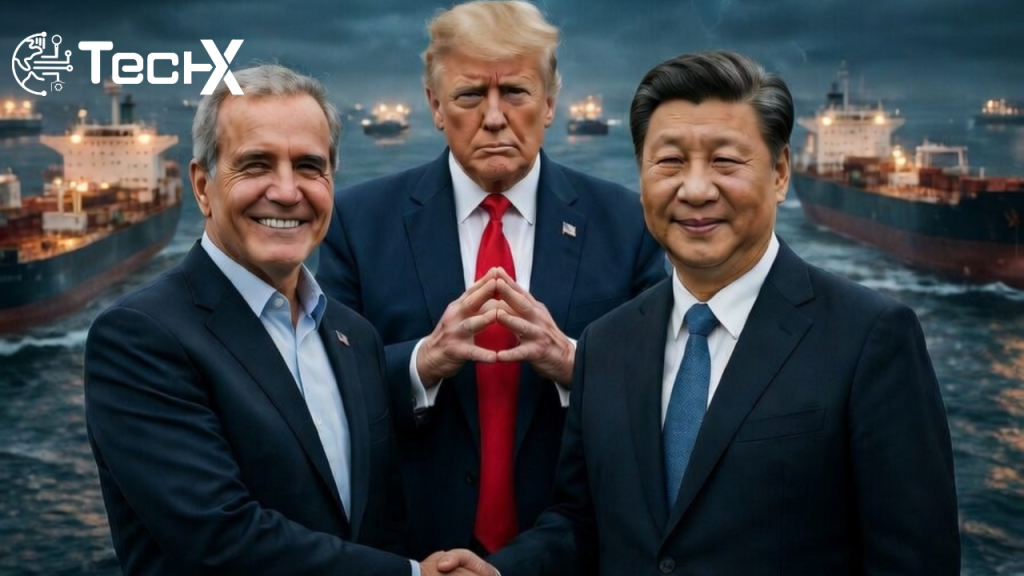
Iran has effectively closed the Strait of Hormuz, a key waterway for global crude oil shipments, in retaliation for the ongoing US-Israel military actions against the Islamic Republic. The closure has heightened concerns over energy security in the region and worldwide.
Surge in Global Oil Prices
Following the blockade, global oil prices surged by 40–50%, with crude hovering around $100 per barrel. The disruption comes as Iran also targeted key energy and shipping infrastructure in the Gulf, further escalating the crisis in global energy markets.
Trump Appeals to NATO and Global Powers
President Donald Trump called on NATO allies and countries including China, France, Japan, South Korea, and Britain to send naval vessels to escort oil tankers safely through the strait. He emphasized that nations benefiting from the Strait of Hormuz should share responsibility for its security.
Diplomatic Efforts with Iran
Trump indicated that discussions with Iran were ongoing but stated that Tehran was not yet ready for a deal to end the conflict. He mentioned that Iran is “getting pretty close,” although Iranian officials have denied any direct negotiations with the United States.
Pressure on China and NATO
The US president warned that a lack of assistance from China could lead to a delay in the planned summit with Xi Jinping. He also suggested that a negative or non-responsive approach by NATO allies could have serious consequences for future cooperation within the alliance.
Limited Responses from Other Countries
Despite Trump’s requests, Japan (Tokyo) and Australia (Canberra) announced that they had no plans to deploy ships to the strait. Meanwhile, Europe and China remain highly dependent on Gulf oil imports, highlighting the urgency for coordinated international efforts to maintain safe shipping lanes.