
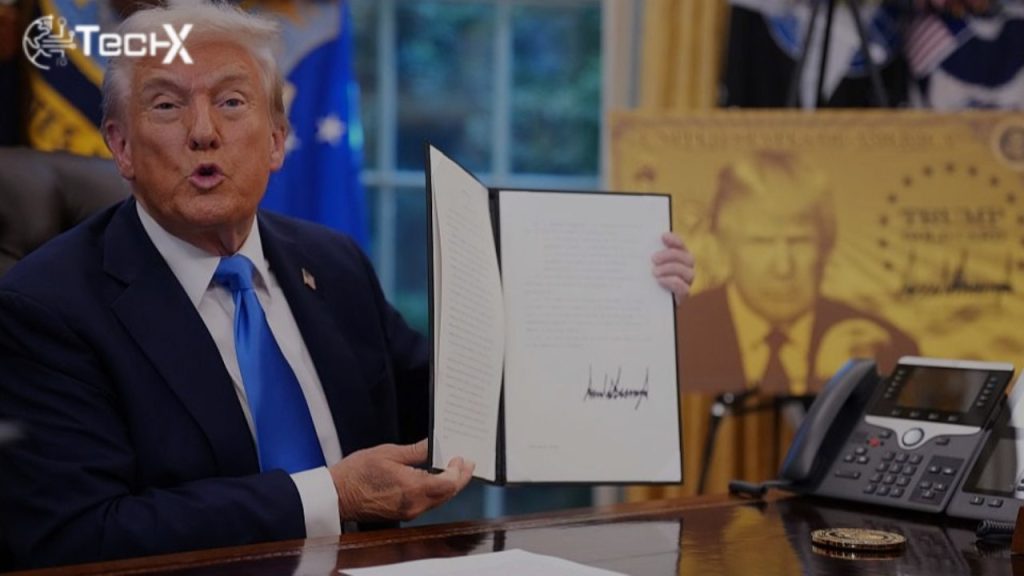
In a stunning declaration, U.S. President Donald Trump announced that the application fee for H-1B visas has been raised from $2,000–$5,000 to a staggering $100,000. This change takes effect immediately and applies solely to new applicants. The policy aims to reshape foreign hiring practices while stirring heated debates among technology firms, multinational corporations, and policymakers about its economic and political implications.
Understanding the H-1B Visa Program
The H-1B visa program enables American companies to employ skilled foreign workers in highly specialized fields, particularly technology, engineering, and science. Each year, demand far exceeds supply, with 65,000 standard and 20,000 advanced-degree visas offered via a lottery system. Workers from India and China dominate approvals, accounting for over 80% of visas, making these nations most affected by this sudden financial burden.
Key Provisions of the New Rules
Under the updated policy, employers are required to pay the full $100,000 fee upfront before filing petitions for foreign employees. Failure to provide proof of payment could result in suspension of applications for as long as twelve months. However, the fee does not apply to renewals or re-entry requests. Certain exceptions may be granted for workers deemed essential to U.S. national security or national interest.
Also Read: PIA Audit Reveals Rs9.43bn Loss from Free and Discounted Tickets
Industry Concerns and Criticism
Industry experts argue that this decision will reshape the way companies hire globally. Major technology giants like Amazon, Microsoft, Google, and Meta—who heavily depend on international expertise—are expected to feel the greatest impact. Critics warn that the financial strain may encourage companies to outsource jobs overseas, potentially weakening America’s innovative edge rather than protecting domestic employment as the administration intends.
Potential Impact on Global Workforce
For decades, the H-1B program has served as a gateway for top global talent seeking opportunities in the United States. By raising fees so drastically, the U.S. risks discouraging skilled professionals and deterring companies from participating in the lottery process. Analysts fear this could reduce America’s competitive standing, leaving rival nations like Canada and European hubs more attractive destinations for innovators and experts.
Balancing Protection and Innovation
The Trump administration insists that the policy protects American workers and reduces reliance on foreign labor. Yet many analysts believe it may achieve the opposite by creating shortages in highly specialized roles. Companies might struggle to fill crucial positions, slowing research, development, and innovation. The balance between protecting domestic employment and encouraging global competitiveness remains the central debate in this controversial decision.
Key Changes to H-1B Visa Rules (2025)
| Feature | Previous Rule | New Rule (2025) |
|---|---|---|
| Application Fee | $2,000–$5,000 | $100,000 (one-time) |
| Applicability | All employers | First-time applicants only |
| Proof of Payment | Not required | Mandatory before filing |
| Suspension Penalty | None | Up to 12 months for non-payment |
| Exceptions | Limited | Workers vital to U.S. national interests |
| Renewals/Reentry | Paid again | Exempt from fee |
A Turning Point for America’s Future
This policy marks one of the most dramatic changes in U.S. immigration strategy in years. Whether it safeguards American jobs or undermines U.S. leadership in global innovation remains to be seen. Supporters call it a patriotic step toward self-reliance, while critics fear it could drive talent and investment abroad. The true outcome will unfold as companies and workers adjust to this historic transformation.