
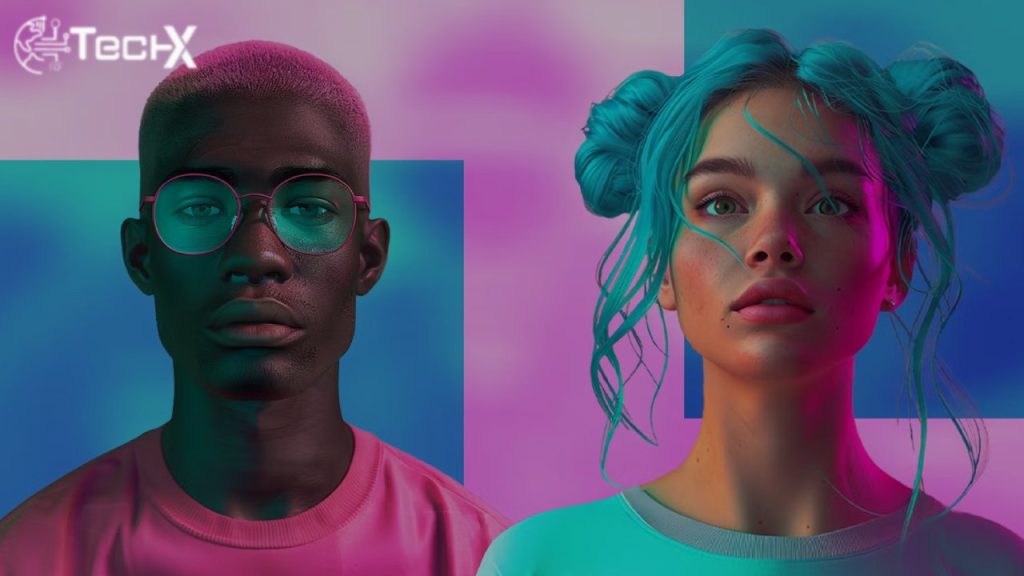
TikTok’s AI, Symphony, has undergone a major upgrade, enabling brands to create lifelike influencer-style ads using synthetic avatars. These AI-generated figures can showcase products, try on clothes, or demonstrate apps, mimicking real creators. Advertisers simply input text or images, and the system produces polished videos for global deployment. However, concerns arise over whether viewers can distinguish AI from human creators.
The Ethical Dilemma of AI-Generated Ads
Despite TikTok’s promise of clear labeling and safety reviews, experts warn that AI ads’ realism blurs the line between human and machine-generated content. This raises ethical concerns about transparency and consumer deception. If users can’t discern real influencers from AI, trust in digital content may erode. The debate intensifies as regulators scrutinize AI’s role in advertising and its potential for misuse.
TikTok AI Ads vs. Real Influencers
While brands benefit from cost savings and faster production, human influencers fear displacement. AI avatars eliminate contracts, fees, and creative limitations, threatening creators’ livelihoods. Micro-influencer Kristen Bousquet expressed concern, stating AI dominance could jeopardize her business. The rise of generic, high-volume AI content may also devalue human creativity, making it harder for influencers to compete fairly.
The Threat of Unauthorized Imitation
Another concern is AI replicating creators’ likenesses or styles without consent. This adds to ongoing debates over ownership and ethical AI use. Legal battles against AI companies for copyright violations set a precedent. If TikTok’s AI ads become mainstream, influencers may face new challenges in protecting their unique content and personal brands from unauthorized replication.
Also Read: WhatsApp is Getting Ads, Paid Subscriptions, and More
TikTok’s Impact on the Advertising Industry
TikTok’s Symphony suite includes scripting, multilingual dubbing, and stock visuals, streamlining ad production. This allows brands to launch global campaigns quickly. However, marketing experts caution that AI-generated ads may lack authenticity, particularly for younger audiences valuing genuine connections. Overly polished, synthetic messaging could trigger consumer skepticism, especially if transparency is insufficient.
Regulatory Scrutiny on AI Advertising
As AI ads proliferate, regulators like the FTC are increasing oversight. TikTok’s synthetic influencers may represent the future of digital marketing, but ethical concerns persist. Without strict guidelines, AI-generated content could mislead audiences, prompting calls for clearer disclosure rules. The balance between innovation and consumer protection remains a key challenge for platforms and policymakers alike.
The Future of Influencer Marketing
The rise of AI ads signals a shift in influencer marketing dynamics. While brands gain efficiency, human creators must adapt to remain relevant. Authenticity and personal connection may become their unique selling points against AI competitors. However, if synthetic influencers dominate, the industry could see a decline in opportunities for real content creators.
Conclusion: A Double-Edged Sword
TikTok’s AI ads offer innovation but come with ethical and economic trade-offs. While brands enjoy cost-effective solutions, influencers face uncertainty. Regulatory intervention and transparent labeling will be crucial in maintaining trust. As AI evolves, the advertising industry must navigate the fine line between technological advancement and ethical responsibility. The future of digital marketing hangs in the balance.