
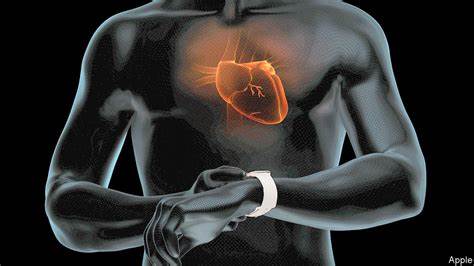
A T-shirt that can monitor heartbeats, glasses that can analyze photos to study vital signs and breathing patterns, and underwear that is set to play calming music when an increase in stress levels is noticed are all examples of wearable technology.
One organization in the United Kingdom (UK) that governs hospitals has been evaluating the effectiveness of a few of the smart wearable gadgets that have been created in the aim of saving lives.
“(In) recovery from surgery, we’re using smart wearables to be able to see the effect of the treatment on the patient so we can adjust the treatment pattern and to be able to make sure that it fits with the patients,” she said.
The equipment makes sure medical practitioners don’t overstress the body. Plans for their therapy may be modified if they are healing more quickly, she noted.
Patients with heart failure are also monitored using these wearables so they may better manage their health at home, according to Ms. Richardson.
Devices no longer need to be cumbersome thanks to advancements in wearable technology. Market-available smart rings give continuous heart rate monitoring and blood oxygen measurements using light-based optical sensors.
Additionally, they could offer a “energy score” that aids wearers in choosing a lifestyle that suits them. According to Ms. Richardson, sensors have shrunk to the size of a fingertip and may now be adhered to a patient to track their vital signs.
“You don’t need to worry about charging it. It just sits there like a band-aid would. And it just monitors and transmits the data. That’s where the technology already is,” she said.
To read our blog on “what you should know about eating disorders,” click here,” click here