
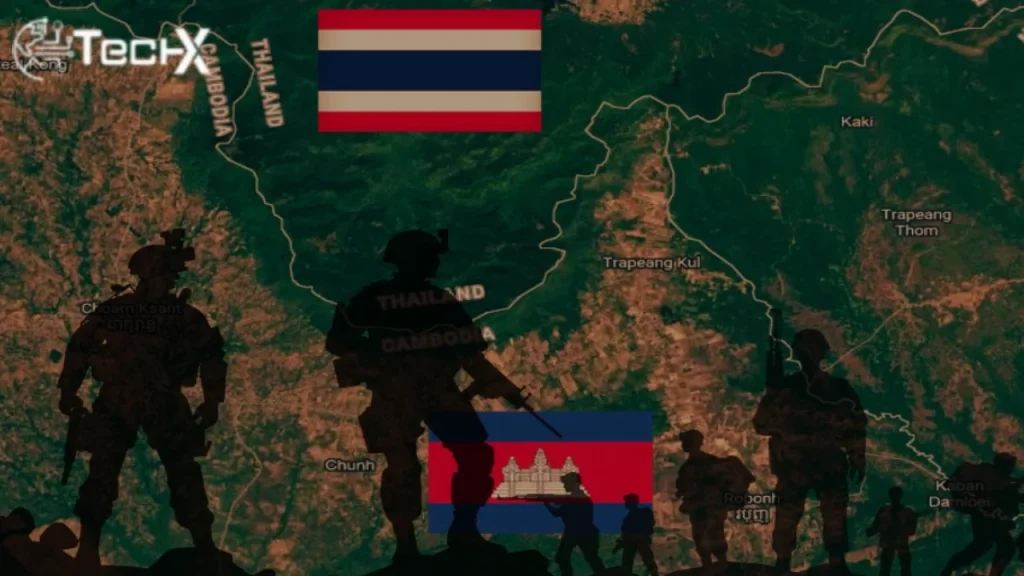
The recent clashes between Thailand and Cambodia have raised global concerns. The conflict mirrors historical tensions seen in other disputed regions. With an 817-kilometer contested border, both nations claim overlapping territories. Military skirmishes have escalated, leading to casualties and displacement. This article explores the origins, key events, and implications of this dangerous confrontation.
Historical Background of the Dispute
The Thailand-Cambodia border dispute dates back decades. Colonial-era treaties left ambiguities in territorial demarcations. The Preah Vihear Temple, a UNESCO site, remains a flashpoint. Both nations claim sovereignty over surrounding areas. Past conflicts have involved military standoffs and legal battles. The International Court of Justice has intervened, but tensions persist. Historical grievances fuel nationalist sentiments, complicating resolution efforts.
Triggering Events of the Current Conflict
The latest escalation began with a mine blast on July 30. Thai soldiers patrolling the border were injured, prompting accusations. Cambodia denied involvement, but Thailand recalled its ambassador. Diplomatic relations deteriorated rapidly. On July 24, direct clashes erupted, with Cambodia using BM-21 rockets. Thai civilians and soldiers died, triggering retaliatory airstrikes. The conflict has since expanded, endangering regional stability.
Military Engagements and Tactics
Cambodia’s use of rocket artillery marked a significant escalation. Thailand responded with precision airstrikes using F-16 jets. Both sides have fortified border positions, increasing troop deployments. Guerrilla-style attacks and landmines complicate the battlefield. Civilian casualties highlight the conflict’s brutality. The lack of clear frontlines makes mediation difficult. Military strategies suggest prolonged hostilities unless international intervention occurs.
Also Read: Punjab Sets Launch Date for Electric Taxi Rollout
Humanitarian Consequences
Thousands of civilians have fled border villages, creating a refugee crisis. Displaced families face shortages of food, shelter, and medical aid. Cross-border trade has halted, worsening economic strain. Children’s education is disrupted, and trauma affects communities. Humanitarian organizations struggle to access conflict zones. The long-term psychological impact on civilians remains a grave concern.
Diplomatic Fallout and International Response
ASEAN has called for restraint, but internal divisions hinder action. The UN urges dialogue, yet enforcement mechanisms are weak. Major powers monitor the situation cautiously. China and the US have strategic interests in the region. Neutral mediation is essential to prevent wider conflict. Diplomatic channels remain open, but progress is slow.
Economic Impact on Both Nations
Trade between Thailand and Cambodia has plummeted. Border closures disrupt supply chains, affecting local economies. Tourism, a key revenue source, suffers as travelers avoid the region. Military expenditures strain national budgets. Reconstruction costs will burden future generations. Economic instability could spread across Southeast Asia.
Potential for Regional Escalation
Neighboring nations fear spillover effects. Laos and Vietnam monitor border security closely. A prolonged war could draw in external powers. Arms suppliers may exploit the situation for profit. Regional alliances could shift, destabilizing ASEAN unity. Preventive diplomacy is crucial to avoid a larger conflict.
Paths to De-escalation and Peace
Ceasefire agreements must be prioritized. Third-party mediation by neutral nations could help. Confidence-building measures, like troop withdrawals, are necessary. Joint economic projects may foster cooperation. Long-term solutions require revisiting border treaties. Public diplomacy can reduce nationalist rhetoric.
Conclusion
The Thailand-Cambodia conflict threatens regional peace. Historical disputes, military actions, and humanitarian crises demand urgent attention. Diplomatic efforts must prevail over warfare. The international community should support dialogue and de-escalation. Only through cooperation can lasting stability be achieved. The world watches as these two nations navigate a path away from destruction.